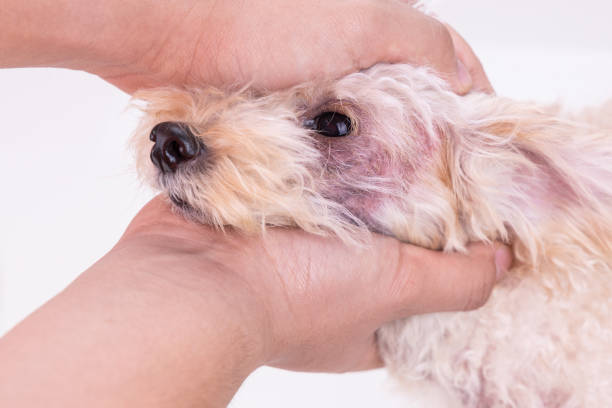

Keeping your dog’s teeth clean is important for their oral health. Ignoring dental care can lead to plaque build-up and dental problems, which can be uncomfortable for your pet. Dental disease is very common in dogs, second only to ear infections. To avoid expensive treatment costs, it’s essential to check and clean your dog’s teeth as part of their regular grooming routine. This article provides expert dental cleaning tips for dogs to help you maintain your pet’s oral hygiene and keep their teeth sparkling clean and their breath fresh.
Key Takeaways:
- Dental care is crucial for your dog’s oral health, as dental disease can be painful and lead to other health issues.
- Feeding your dog dry dog food can contribute to their dental health, as it exercises their chewing muscles and provides a mild cleaning effect on their teeth.
- Regular brushing is essential for maintaining good dental hygiene in dogs. Use a dog toothpaste and toothbrush, and start brushing their teeth when they are puppies.
- Dental chews and treats can help remove plaque and tartar buildup, but be cautious when feeding bones.
- Be aware of the signs of dental disease in dogs, including deposits on the teeth, damaged gums, bad breath, and changes in eating habits.
The Right Food for Dental Health
Feeding your dog the right food is essential for maintaining their dental health. Dry dog food is recommended as it exercises their chewing muscles and provides a mild cleaning effect on the teeth. Wet foods may not provide the same benefits. However, every dog is unique, and there is no one-size-fits-all diet. Consult with a vet or reputable pet shop to determine the best diet for your dog’s dental health.
Choosing the right food for your dog’s dental health is a crucial aspect of their overall well-being. Dry dog food is specially formulated to promote dental health by encouraging chewing and stimulating saliva production. The chewing action helps in removing plaque and tartar buildup, reducing the risk of dental disease.
When selecting dry dog food, look for brands that have received the Veterinary Oral Health Council (VOHC) seal of approval. These brands have undergone testing to ensure their effectiveness in promoting good dental health.
While dry dog food is generally recommended, it’s important to consider your dog’s specific needs. Factors such as age, breed, and any existing dental issues should be taken into account when determining their dietary requirements. Consulting with a veterinarian or a reputable pet shop can provide valuable guidance in choosing the right food for your dog’s dental health.
In addition to dry dog food, you can also incorporate dental chews and treats into your dog’s diet. These products are specifically designed to promote dental health by helping to clean the teeth and massage the gums. Look for dental chews and treats that have received the VOHC seal of approval.
Remember that diet alone is not enough to ensure proper dental health for your dog. Regular dental care, including brushing their teeth and regular check-ups with a veterinarian, is crucial for maintaining optimal oral hygiene. By combining a nutritious diet with proper dental care, you can help keep your dog’s teeth healthy and their smile shining bright.
Regular Brushing Routine
Regular brushing is crucial for keeping your dog’s teeth clean. It’s important to start brushing their teeth when they are a puppy to get them used to the process. By introducing tooth brushing early on, you can establish a routine that will make dental care easier as they grow. Brushing your dog’s teeth every day is recommended to maintain good dental hygiene and prevent plaque and tartar buildup.
To brush your dog’s teeth effectively, you will need a dog toothpaste and a special dog toothbrush or a child-sized toothbrush. It’s important to note that human toothpaste is not suitable for dogs as it can be harmful if ingested. Dog toothpaste comes in various flavors like chicken or beef, making it more appealing to your furry friend.
When brushing your dog’s teeth, it’s essential to use gentle and circular motions to reach all surfaces of their teeth and gums. Pay special attention to the back teeth and gumline, as these areas tend to accumulate more plaque and tartar. If your dog is resistant to toothbrushing, consider using dental wipes or finger toothbrushes as an alternative.
Different dog breeds may have varying jaw alignments and tooth structures, so it’s always a good idea to consult with your vet. They can show you the best way to brush your dog’s teeth based on their specific needs. Additionally, your vet may recommend dog dental products such as dental rinses or gels to complement their oral hygiene routine.
Remember, consistency is key when it comes to brushing your dog’s teeth. By making toothbrushing a daily habit, you can ensure your dog’s dental health and prevent common dental issues. Not only will regular brushing keep their teeth sparkling clean and their breath fresh, but it will also contribute to their overall well-being.

Dental Chews and Treats
Keeping your dog’s teeth clean is essential for their dental health, and dental chews and treats can be a helpful addition to their oral care routine. These specially designed treats provide a chewing action that helps remove plaque and tartar buildup, promoting healthier teeth and gums. Look for dental chews and treats that are specifically formulated for dental health, as they are often made with ingredients that aid in maintaining oral hygiene.
However, it’s important to exercise caution when it comes to feeding bones to your dog. While bones may seem like a natural way to clean their teeth, they can pose risks such as dental fractures or other hazards. It is always recommended to consult with your veterinarian before offering bones as part of your dog’s dental care routine.
Dental chews and treats should be used as a supplement to regular dental cleaning techniques, such as brushing your dog’s teeth. Incorporating a variety of oral care methods into your dog’s routine can help ensure their dental health is well-maintained and their breath fresh.
Signs of Dental Disease
Being aware of the signs of dental disease in dogs is crucial for their oral health. By recognizing these signs early on, you can take action and prevent further complications. Here are some indicators to watch out for:
- Deposits building up on the teeth: Keep an eye out for yellow or brownish plaque or tartar accumulating on your dog’s teeth. This can lead to gum inflammation and other dental issues.
- Damaged and bleeding gums: If you notice bleeding, swelling, or tenderness in your dog’s gums, it may be a sign of gum disease.
- Foul odour from the mouth: Persistent bad breath that isn’t improved by regular dental care can indicate an underlying dental problem that needs attention.
- Exposed and painful tooth roots: A loose tooth or a receding gum line may expose the tooth roots, causing pain and discomfort for your dog.
- Discoloured teeth: Look out for teeth that have changed colour, as it could indicate tooth decay or infection.
- Changes in eating habits: If your dog suddenly starts avoiding hard kibble or shows difficulty chewing, it may be due to dental pain.
If your dog displays any of these symptoms, it’s important to consult your vet for a proper diagnosis and treatment plan. They will assess your dog’s dental health and recommend appropriate dental care measures to alleviate any discomfort and prevent further complications. Remember, early detection and intervention are key to maintaining your dog’s dental health!
Professional Dental Care
If your dog has dental disease, it’s essential to seek professional dental care. Your vet will perform a thorough examination of your dog’s mouth, which may require sedation or a general anaesthetic. This allows them to assess any abnormalities and determine the best course of action for your dog’s dental health.
X-rays may be taken to get a closer look at your dog’s teeth and identify any underlying issues. This is important for accurate diagnosis and treatment planning. Treatment options may include scaling and polishing to remove mineral deposits and tartar buildup, promoting better oral hygiene.
For more severe cases, tooth extractions may be necessary to address dental disease. Although it can be concerning to think about your dog losing teeth, the removal of severely damaged or infected teeth is often the best way to relieve pain and prevent further complications.
After dental procedures, your dog may need medication such as anti-inflammatory drugs and antibiotics to aid in the healing process and prevent infection. Your vet will provide you with detailed instructions on how to care for your dog following dental treatment.
Professional dental care is crucial for your dog’s oral health. It helps address existing dental issues and prevents future complications. By partnering with your vet and following their recommendations, you can ensure that your dog maintains a healthy and pain-free mouth.
Starting Early with Dental Care
Starting dental care early is crucial for your dog’s oral health. Introducing tooth brushing when they’re a puppy is a great way to get them used to the routine. Begin by simply having your finger near their mouth to let them get comfortable with the sensation. Gradually, you can progress to using a toothbrush specifically designed for dogs. Remember to use positive reinforcement and rewards to make the experience enjoyable for your furry friend. Consistency and patience are key to establishing good dental care habits that will benefit them throughout their lives.
If you’re uncertain about the best way to brush your dog’s teeth, consult with your veterinarian. They can provide guidance on proper brushing techniques based on your dog’s specific needs. They can also recommend dog-friendly toothpaste and toothbrushes that will ensure the process is effective and safe.

Additional Dental Care Options
In addition to regular brushing, there are various dental care options available to maintain your dog’s oral hygiene. These options include dental rinses, dental gels, dental-specific diets, and toys designed to promote dental health.
- Dental Rinses: Dental rinses are liquids that can be added to your dog’s water bowl or sprayed directly onto their teeth and gums. These rinses help reduce plaque and freshen breath.
- Dental Gels: Dental gels are applied to your dog’s teeth and gums using a toothbrush or finger brush. These gels can help control plaque and tartar buildup.
- Dental-Specific Diets: Some pet food brands offer dental-specific diets that are designed to promote dental health. These diets may have special textures or ingredients that help clean your dog’s teeth as they eat.
- Dental Health Toys: There are toys specifically designed to enhance your dog’s dental health. These toys are often made of durable materials that help remove plaque and massage the gums while your dog plays.
When considering these additional dental care options, it is important to consult with your vet to determine which options are suitable for your dog’s specific dental needs. They can provide guidance on the best products and techniques to incorporate into your dog’s dental care routine.
Regular Dental Check-ups
Regular dental check-ups are an essential part of maintaining your dog’s oral health. These check-ups should be scheduled with your vet at least once a year, although more frequent visits may be necessary for dogs with dental issues or specific dental care needs.
During a dental check-up, your vet will thoroughly examine your dog’s teeth and gums to assess their overall oral health. They will look for signs of plaque, tartar buildup, gum disease, or any other dental issues that may require attention. Early detection of these problems is crucial in preventing further complications and ensuring your dog’s comfort.
Your vet may also recommend professional dental cleaning, also known as scaling and polishing, to remove any stubborn tartar deposits and deep clean your dog’s teeth. Professional dental cleaning helps to keep your dog’s teeth and gums healthy, reducing the risk of dental disease and potential tooth loss.
During the dental check-up, your vet may also provide guidance on oral hygiene practices and give you tips on how to improve your dog’s dental care routine at home. They may recommend specific toothbrushes, toothpaste, dental chews, or oral rinses that are appropriate for your dog’s needs.
Some vet clinics even offer free dental clinics or nurse checks as part of their pet care plans. Take advantage of these services to ensure your dog receives regular dental assessments and to stay up-to-date with their oral health status.

Regular dental check-ups are a proactive approach to maintaining your dog’s dental health. By staying committed to these appointments and following your vet’s advice, you can help prevent dental issues and ensure that your dog’s teeth and gums remain in the best possible condition.
Importance of Dental Health
Understanding the importance of dental health for dogs is crucial in ensuring the well-being of your furry friend. Dental disease can lead to pain, discomfort, and serious health issues for your pet. By maintaining good dental hygiene and seeking regular dental care, you can help prevent dental problems and contribute to your dog’s overall well-being.
Good oral health plays a significant role in your dog’s overall health. Dental issues can affect not only their teeth and gums but also their digestive and immune systems. Poor dental health can lead to infections, heart problems, and other complications.
Preventing Dental Problems
Proactive dental care is key to preventing dental issues in dogs. Regular brushing, along with proper oral hygiene, is essential. Brushing your dog’s teeth at least once a day helps remove plaque and prevents tartar buildup. Use a dog toothbrush and toothpaste specifically formulated for dogs to avoid any harm to their health.
In addition to brushing, providing your dog with dental chews and treats can aid in keeping their teeth clean. These products promote chewing, which helps remove plaque and massages the gums. Ensure you choose dental chews and treats that are specifically designed for dental health to get the best results.
Regular Dental Check-ups
Regular dental check-ups with your vet are essential for maintaining your dog’s dental health. During these check-ups, your vet can assess your dog’s teeth and gums, identify any dental issues, and recommend appropriate treatment. They may also offer professional dental cleaning to remove tartar and plaque that cannot be removed through regular brushing alone.
Remember, many dental problems in dogs can be hidden and may not be immediately evident. Regular dental check-ups can help catch any potential issues early on and prevent them from escalating into more significant problems.
A Holistic Approach to Health
Optimal dental health is an integral part of your dog’s overall well-being. It contributes to their comfort, quality of life, and longevity. By prioritizing dental care and implementing proper oral hygiene practices, you are taking a proactive approach towards maintaining your dog’s health in all aspects.
Remember, your dog relies on you for their dental care. Make it a priority to establish a regular dental care routine, seek professional dental care when necessary, and provide the necessary dental products and treats to support their oral health. By doing so, you are making a significant positive impact on their overall health and ensuring a happier, healthier life for your beloved companion.
Conclusion
Taking care of your dog’s dental health is crucial for their overall well-being. By following the dental cleaning tips for dogs mentioned in this article, such as regular brushing, feeding the right food, and providing dental chews and treats, you can help maintain their oral hygiene. It’s essential to be vigilant and watch out for signs of dental disease. If any symptoms are detected, seeking professional dental care from a vet is important in order to prevent further complications.
Starting early with dental care and incorporating it into your dog’s routine is highly beneficial. By establishing good dental care habits from a young age, you can make it a positive experience for your pet. Additionally, considering additional dental care options such as dental rinses, gels, and toys can contribute to their dental health.
Prioritizing dental health contributes to a happier and healthier life for your canine companion. By taking these dental care tips to heart and providing regular dental care, you can ensure a sparkling smile and fresh breath for your furry friend. Remember, it’s never too late to start focusing on your dog’s dental hygiene. Invest in their oral health today for a brighter and longer future together.