
House training a dog can be a rewarding experience for both you and your furry friend. It requires patience, commitment, and consistency, but with the right approach, you can teach your dog to eliminate in the appropriate place. Whether you have a young puppy or an adult dog, these dog potty training tips will help you establish good habits and maintain a clean home.
When it comes to house training a dog, one of the first steps is to establish a routine. Dogs do best with a regular schedule, so try to take your puppy outside frequently, especially after meals and naps. This will give them ample opportunities to relieve themselves in the designated area. Use a specific word or phrase, such as “go potty,” while they are eliminating to help them associate the behavior with the command.
Consistency is key when crate training a puppy. Crates create a safe and comfortable space for your dog and can be used as a tool for house training. Make sure the crate is appropriately sized and comfortable for your puppy. Take your puppy outside immediately after they are released from the crate and reward them for eliminating in the designated area.
Establishing a feeding schedule is also essential for successful house training. Feed your dog at the same times each day, which will help establish a regular elimination schedule. By monitoring their food and water intake, you can predict when they’ll likely need to go outside.
Active supervision is crucial during the house training process. Keep a close eye on your dog, especially indoors, and learn to recognize the signs that they need to go. Sniffing the ground, circling, or becoming restless can indicate that they’re ready to eliminate. When you notice these signs, guide them to the appropriate spot and reward them when they finish.
Accidents may happen during the house training process, but it’s important not to punish your dog. Instead, clean up any indoor messes properly using a biological cleaning solution to remove odors. Punishing your dog can create anxiety and confusion, making the house training process more challenging.
Remember, house training takes time and patience. Be consistent with your training methods and reward your dog for their successes. If you’re having difficulties or concerns, consult with a vet or a qualified trainer who can provide guidance and support.
Key Takeaways
- Establish a regular routine and take your puppy outside frequently.
- Use a specific word or phrase to associate with the desired behavior.
- Consider crate training as a useful tool for house training.
- Feed your dog on a consistent schedule to establish regular elimination habits.
- Supervise your dog actively and look out for signs that they need to go.
Understanding Your Dog’s Behavior
Dogs don’t have full bladder capacity until they are approximately 12 months old. Whether you’re housebreaking dogs, engaging in puppy toilet training, or toilet training for dogs of all ages, it’s crucial to understand their behavior and recognize the signs that they need to go.
Pay attention to your dog’s body language and behavior. Look for indications such as fidgeting, sniffing around, and beginning to circle before squatting. These are common signs that your dog needs to relieve themselves. When you notice these signs, take them to the appropriate place, such as a designated outdoor area or a designated indoor pad.
Developing a verbal cue to associate with the correct behavior is essential when puppy toilet training or training dogs of any age. Consistently use the same word or phrase every time you take them to the designated spot. For example, you can say “Go potty” or “Do your business.” This verbal cue helps your dog to understand what is expected of them.
Once your dog has finished eliminating, provide immediate positive reinforcement. Use praise, treats, or a combination of both to reward their successful behavior. This positive reinforcement helps reinforce the desired toilet training habits.
It’s crucial to avoid punishment if accidents happen indoors. Scolding or punishing your dog for accidents can create confusion and fear, hindering their progress in toilet training. Instead, focus on positive reinforcement and redirect their attention to the designated spot.
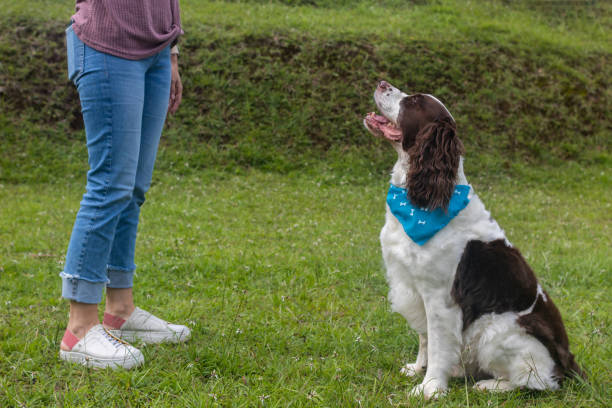
To help visually emphasize the importance of understanding your dog’s behavior during housebreaking, here’s an image that highlights the bond between a dog and its owner:
Active Supervision and Positive Reinforcement
During the process of house training your dog, active supervision is key to increasing success. By actively supervising your dog, you can provide them with plenty of opportunities to go to the toilet in the correct place, ensuring they establish good habits from the start.
When taking your dog outside, try to take them to the same spot each time if possible. This will help them associate that area with toileting, making it easier for them to understand what is expected of them.
Positive reinforcement is a powerful tool when teaching a dog to toilet outside. Show your dog praise and appreciation when they successfully go to the toilet in the designated area. You can also use treats and play as rewards, reinforcing the positive behavior.
It’s important to avoid punishments if accidents occur. Punishing your dog can confuse and scare them, making it harder for them to understand where they should be going to toilet. Instead of punishing, try interrupting them if you catch them about to go in the wrong place. Calmly guide them to the correct spot and reinforce the behavior you want to see.

Dealing with Accidents
If your dog has an accident indoors, it’s important to handle it properly. Punishing your dog won’t help, as they won’t associate the punishment with the accident. Instead, clean the area with a warm solution of biological washing powder to remove the smell. This reduces the chances of your dog using that spot again.
If you’re dealing with potty training a new puppy, accidents are a normal part of the learning process. Young puppies have limited control over their bladder and may struggle to hold it in for long periods. Taking them outside frequently and rewarding them for eliminating in the correct spot will help reinforce the desired behavior.
If dog toilet accidents persist, it’s always a good idea to consult with your vet. They can rule out any underlying medical issues that may be causing the accidents. Your vet may also provide guidance on how to address the problem and may refer you to a qualified trainer or behaviorist if necessary.
Remember, patience and consistency are key when it comes to house training your dog. Accidents will happen, but with positive reinforcement and proper management, your furry friend will soon learn where to go.
Separation Anxiety and Toileting
If your dog goes for a wee or poo indoors when separated from you, they may be experiencing separation-related anxiety. This behavior is common and can be distressing for both you and your furry companion. Understanding what your dog is feeling and how to address it is key to resolving this issue and promoting successful house training. Look out for signs of destructive behavior, unwanted toileting, or excessive barking, as these may indicate that your dog is distressed when left alone.
One effective way to help your dog overcome separation-related anxiety is to gradually increase their tolerance to being alone. Start by leaving them alone for short periods of time, gradually extending the duration as they become more comfortable. Provide them with toys and activities to keep them occupied and make their alone time more enjoyable.
Seeking professional help from a qualified trainer or behaviorist can also be beneficial in addressing separation anxiety. They can provide guidance tailored to your dog’s specific needs and help you implement strategies to alleviate their anxiety. Additionally, they may recommend techniques such as desensitization and counterconditioning to help your dog feel more secure and relaxed when left alone.
Remember, patience and consistency are key when dealing with separation-related anxiety and toileting issues. With the right approach and support, your dog can overcome their anxiety and become a well-trained, confident companion.
Recognizing the Signs
When it comes to dog potty training tips and teaching a dog to toilet outside, being able to recognize the signs that your dog needs to go is crucial. By keeping a close eye on your furry friend, you can catch these signs early and prevent indoor accidents.
Some common signs that indicate your dog needs to go include sniffing the ground, turning in a circle, and starting to squat. If you notice these behaviours indoors, gently interrupt your dog and immediately take them outside to their designated spot to see if they’ll go.
If your dog does toilet outside, be sure to reward them immediately with praise and treats. This positive reinforcement helps them understand that going outside is the desired behaviour. However, if they don’t go, give them a little more time and keep a close eye on them, as they will likely need to go outside again soon.
Rewarding and Prompting
When it comes to dog potty training tips and toilet training for dogs, rewarding and prompting your dog are essential techniques to reinforce the desired behavior.
After your dog finishes eliminating outdoors, it is important to immediately praise them and provide a tasty treat as a reward. By doing so, you are positively reinforcing their good behavior and encouraging them to continue eliminating in the appropriate place.
Additionally, you can teach your dog to go to the toilet on command by using a specific word or phrase. As they begin to eliminate, say the word or phrase and reward them when they finish. With consistent repetition, your dog will begin to associate your chosen words with the desired behavior.

Establishing a Feeding Schedule
Putting your puppy on a regular feeding schedule can greatly assist with crate training a puppy and potty training a new puppy. By establishing consistent meal times, you can create a predictable routine that helps regulate your puppy’s digestion and elimination patterns.
By feeding your puppy at the same times each day, you can anticipate when they’ll need to eliminate and plan accordingly. The regularity in their feeding schedule will lead to a more consistent bathroom schedule as well.
The number of meals your puppy requires each day depends on their age. Generally, young puppies need to be fed two to three times a day. It’s best to consult with your veterinarian to determine the appropriate feeding frequency for your specific breed and age of puppy.
Ensuring that your puppy is fed at consistent times and in the same location creates a familiar routine that allows them to feel secure and establishes a sense of order in their daily lives.
Remember, consistency is key when it comes to crate training a puppy and potty training a new puppy. By incorporating a regular feeding schedule into your puppy’s routine, you’ll be setting them up for success in their house training journey.
Nighttime Routine
To reduce the likelihood of nighttime accidents during the puppy toilet training process, it’s important to establish a nighttime routine. One effective step is to pick up your puppy’s water dish a couple of hours before bedtime. This helps to reduce the urge to urinate or defecate during the night. Most puppies can sleep for approximately seven hours without needing to relieve themselves.
If your puppy does wake you up during the night, it’s vital to keep the interaction minimal to discourage playtime. Instead, take them directly to their designated toileting area. Offer a gentle cue or command related to toileting and wait patiently for them to eliminate. Once they’ve finished their business, calmly and quietly return them to their bed without making a big fuss or engaging in any stimulating activities. This reinforces the idea that nighttime is for sleeping and not for play or attention.
It’s important to be consistent with this routine to signal to your puppy that nighttime is not the time for bathroom breaks. Over time, they will learn to hold their bladder and bowel movements until morning. Remember, accidents may still occur during the initial stages of puppy toilet training, so be patient and continue with positive reinforcement.
Image Example:

Dealing with Indoor Accidents
Indoor accidents can be a common occurrence when housebreaking dogs or potty training a new puppy. It’s important to remain patient and avoid reacting negatively when accidents happen. Remember, your dog is still learning.
When your dog has an accident indoors, allow them to finish before cleaning up the mess. Punishing your dog for accidents can create anxiety and lead to them hiding their accidents in hidden areas. Instead, focus on positive reinforcement and redirecting their attention to the appropriate toileting area.
Thoroughly clean the accident site with a biological cleaning preparation to remove the smell completely. This is important to prevent your dog from being tempted to relieve themselves in the same spot again. By eliminating the odor, you can help reinforce proper toileting habits.
Remember, accidents are a natural part of the learning process. It’s crucial to maintain a positive and consistent approach to housebreaking dogs or potty training a new puppy. With time and patience, your furry friend will develop good habits and become fully house trained.
Consulting with a Vet
If you have concerns about housebreaking dogs or if potty training a new puppy is proving challenging, it is advisable to consult with a vet. Vets are experienced professionals who can rule out any underlying medical issues that may be contributing to your dog’s toileting behavior. They will conduct a thorough examination and provide guidance on how to address the problem effectively.
A vet may also refer you to a qualified trainer or behaviorist if necessary. These professionals specialize in dog training and behavior modification and can offer additional support and expertise in tackling housebreaking issues. Working alongside a vet and a trainer or behaviorist can greatly enhance your chances of successfully house training your dog.
Consistency and Patience
House training a dog requires consistency, dedication, and patience. It’s important to establish a routine and stick to it. Take your dog outside regularly, especially after meals and naps, to encourage them to eliminate in the appropriate place. Actively supervise your dog during this process to ensure they stay on track.
Be consistent with your training methods and use positive reinforcement to reward your dog for good behavior. When they successfully toilet outside, offer lots of praise and a treat. Avoid punishing your dog for accidents, as this can confuse and discourage them. Instead, focus on reinforcing positive habits to help them learn.
Remember that accidents are part of the learning process. It takes time for dogs to develop bladder control and understand where they should go. Stay patient and maintain a calm and encouraging approach. With consistency and patience, your dog will eventually learn appropriate toileting habits and become fully house trained.