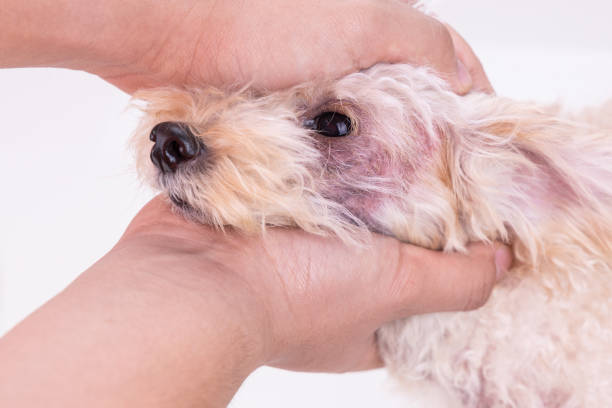

Ensuring the oral health of our furry friends is crucial for their overall well-being. Just like humans, dogs can suffer from gum disease and other dental issues. By promoting healthy gums, we can help safeguard their oral health and prevent potential problems down the line.
Healthy gums play a vital role in maintaining a dog’s oral health. They act as a protective barrier against bacteria and infections, while also providing support for healthy teeth. Neglecting gum care can lead to gum disease, which can cause pain, tooth loss, and even impact their systemic health.
In this article, we will provide expert tips and advice on how to keep your dog’s gums healthy and prevent gum disease. From simple at-home practices to regular veterinary check-ups, we’ll cover everything you need to know to give your furry friend the best possible oral care.
Key Takeaways
- Promoting healthy gums is essential for your dog’s oral health and overall well-being.
- Healthy gums act as a protective barrier against bacteria and provide support for healthy teeth.
- Neglecting gum care can lead to gum disease, causing pain, tooth loss, and potential systemic health issues.
- Regular dental check-ups with your veterinarian are crucial for maintaining your dog’s oral health.
- Using dental products, establishing a dental routine, and incorporating natural remedies can contribute to healthy gums in dogs.
The Importance of Healthy Dog Gums
When it comes to canine dental care, the health of your dog’s gums is of utmost importance. Healthy gums not only protect against bacteria and infections, but they also provide essential support for healthy teeth. Ignoring gum health can have serious consequences, including gum disease, tooth loss, and potential systemic health issues. That’s why preventing gum disease in dogs and maintaining healthy dog gums should be a top priority.
Gum disease, also known as periodontal disease, is a common problem in dogs. It starts with the buildup of plaque and tartar on the teeth, which eventually leads to inflammation, infection, and damage to the gums and supporting structures. As the disease progresses, it can cause pain, discomfort, difficulty eating, and even affect your dog’s overall health.
Preventing gum disease and keeping your dog’s gums healthy is essential for their overall wellbeing. By incorporating a few simple tips into your dog’s dental care routine, you can help ensure that their gums stay in optimal condition.
1. Regular Brushing
One of the most effective ways to promote healthy dog gums is through regular brushing. Using a dog-friendly toothbrush and toothpaste, gently brush your dog’s teeth at least three times a week. This helps remove plaque and prevent the buildup of tartar, reducing the risk of gum disease. Remember to be patient and introduce toothbrushing gradually to make it a positive experience for your dog.
2. Balanced Diet and Chew-Friendly Foods
A balanced diet plays a crucial role in maintaining your dog’s oral health. Provide your canine companion with high-quality dog food that supports dental health. Additionally, incorporating chew-friendly foods, such as raw bones or dental chews, can help naturally clean your dog’s teeth and massage their gums, promoting gum health.
3. Dental Water or Sprays
A dental water additive or spray can be a valuable addition to your dog’s oral care routine. These products help fight bacteria, freshen breath, and maintain oral hygiene between brushings. Simply add the recommended amount to your dog’s water bowl or spray directly onto their gums for an extra layer of dental protection.
4. Chewing Toys and Treats
Providing your dog with appropriate chewing toys and treats can contribute to healthy gums. Look for dental toys or treats specifically designed to promote chewing and help remove plaque and tartar. This not only keeps your dog entertained but also helps maintain their gum health.
Taking care of your dog’s gums is vital for their overall health and wellbeing. By following these tips for healthy dog gums and incorporating them into your canine companion’s dental care routine, you can keep their gums in great shape and prevent gum disease in dogs. Remember, regular veterinary check-ups and professional dental cleanings are also essential for maintaining optimal oral health for your beloved furry friend.
Signs of Healthy Dog Gums
Recognizing the signs of healthy dog gums is crucial for monitoring your pet’s oral health. Here are some indicators to look for:
Pale, Shrimp-like Peachy Pink Color: Healthy gums should have a pale, shrimp-like peachy pink color. This hue indicates good blood circulation and is a sign of healthy gum tissue.
No Inflammation, Swelling, or Bleeding: Healthy gums should be free from inflammation, swelling, and bleeding. If you notice any redness, puffiness, or bleeding, it could be a sign of gingivitis or gum disease.
Fresh Breath: Dogs with healthy gums usually have fresh breath. Foul odors from the mouth can indicate gum disease or other dental issues.
Normal Chewing Behavior: Dogs with healthy gums will have normal chewing behavior. They should be able to eat their food and chew toys without any signs of discomfort or pain.
Regularly examining your dog’s gums is essential in identifying potential gum issues early on. By being aware of these signs, you can ensure that your furry friend enjoys optimal gum health.

Tips for Maintaining Healthy Dog Gums
Ensuring your dog’s gum health is essential for their overall oral hygiene and wellbeing. By implementing a consistent and effective dental routine, you can help prevent gum diseases and promote healthy gums. Here are some tips to help you maintain your dog’s gum health:
- Regular brushing: Brush your dog’s teeth at least three times a week using a dog-friendly toothbrush and toothpaste. This helps remove plaque and bacteria, keeping their gums clean and healthy.
- Balanced diet: Provide your dog with a balanced diet that includes chew-friendly foods. Chewing on appropriate foods can help stimulate saliva production and promote gum health.
- Dental water or sprays: Consider using dental water additives or sprays that can help freshen your dog’s breath and reduce bacteria in their mouth. These products can be added to their drinking water or sprayed directly onto their gums.
- Chewing toys and treats: Give your dog appropriate chewing toys or treats specifically designed to promote dental health. These can help clean their teeth and gums by reducing plaque buildup and encouraging healthy chewing habits.
Establishing a consistent dental routine with these practices will contribute to the health and wellbeing of your dog’s gums. Remember to consult with your veterinarian for additional advice and recommendations tailored to your dog’s specific dental needs.
Dog Dental Appointments
Regular dog dental appointments are crucial for maintaining your furry friend’s oral health and ensuring they have healthy gums. These appointments allow a veterinarian to perform a professional dental cleaning, which effectively removes plaque and tartar buildup that may be causing gum problems in your dog.
During these appointments, the vet will conduct thorough oral health check-ups to assess the overall condition of your dog’s gums, teeth, and mouth. This involves checking for signs of gum disease, such as inflammation, redness, or bleeding. Other oral issues, such as broken teeth, cavities, or oral tumors, can also be detected early on.
A professional dental cleaning for dogs is a comprehensive procedure that involves scaling the teeth to remove plaque and tartar, followed by polishing to smoothen any rough surfaces that may attract plaque. Anesthesia is commonly used for this process, ensuring the dog remains comfortable and calm throughout the procedure.

Regular dog dental appointments are particularly important for dogs who are prone to dental issues or have a history of gum disease. By scheduling these check-ups, you are taking proactive steps to prevent potential dental problems and maintain your dog’s oral health.
Remember, professional dental cleaning for dogs is an essential complement to regular at-home dental care, such as brushing your dog’s teeth and providing appropriate dental chews. Together, these measures contribute to optimal oral health and overall wellbeing for your beloved canine companion.
Dental Products for Healthy Dog Gums
When it comes to promoting healthy gums in dogs, there are several dental products available that can be beneficial. These products are specifically designed to improve your dog’s oral health and contribute to healthier gums. Here are some of the dental products you can consider incorporating into your dog’s dental care routine:
Dog Dental Sprays
One effective product for maintaining healthy gums is dog dental sprays. These sprays are formulated to fight bacteria, reduce plaque buildup, and freshen your dog’s breath. By simply spraying the solution onto your dog’s gums, you can help prevent gum disease and maintain optimal oral hygiene for your furry friend.
Dental Gels
Dental gels are another useful option to promote healthy gums in dogs. These gels typically contain ingredients that combat bacteria and reduce plaque formation. By applying dental gels directly onto your dog’s gums, you can help keep their gums healthy and free from infections that could lead to gum disease.
Dental Chews
Dental chews are a popular choice for maintaining healthy gums in dogs. These chews are specifically designed to promote chewing, which helps in removing plaque and tartar from your dog’s teeth. Additionally, they can provide a fun and engaging activity for your dog while contributing to their dental health.
By incorporating dog dental sprays, dental gels, and dental chews into your dog’s oral care routine, you can ensure their gums stay healthy and prevent potential dental issues. Remember to consult with your veterinarian for specific product recommendations based on your dog’s needs and preferences.
Oral Hygiene Tips for Dogs
Proper oral hygiene is crucial for promoting healthy gums in dogs. One of the most important practices for maintaining your dog’s oral health is regular dog teeth brushing. Using a dog-friendly toothbrush and dog toothpaste, gently brush your dog’s teeth at least three times a week. This helps remove plaque and bacteria that can lead to gum disease. It’s important to introduce teeth brushing gradually and make it a positive experience for your furry friend. Reward them with treats or praise to reinforce good behavior.
In addition to teeth brushing, using dental wipes or pads can be beneficial for maintaining dog oral hygiene. These wipes or pads help remove food particles and bacteria from your dog’s mouth, reducing the risk of gum disease and bad breath. Simply wrap the wipe or pad around your finger and gently rub along your dog’s gum line. This can be done between teeth brushing sessions to keep their mouth clean and fresh.
While brushing and using wipes or pads are effective for oral hygiene, it’s also essential to provide your dog with appropriate chew toys or treats. Chewing stimulates saliva production, which helps wash away bacteria and naturally cleans your dog’s teeth and gums. Look for dental chews specifically designed to promote dog oral hygiene. These chews are often textured to help remove plaque and tartar buildup as your dog chews.
Remember, maintaining healthy gums in dogs goes hand in hand with overall oral care. By following these oral hygiene tips for dogs, such as regular dog teeth brushing, using dental wipes or pads, and providing chew toys or treats, you can contribute to your dog’s healthy gums and overall wellbeing.

Natural Remedies for Healthy Dog Gums
In addition to regular dental care, there are natural remedies that can support healthy gums in dogs. Herbal products containing ingredients like calendula, marshmallow root, goldenseal, and licorice root can help soothe gums, balance bacteria growth, and promote normal healing. These natural remedies can be used intermittently or as part of a holistic oral health program for your dog.
Using natural remedies can be a gentle and effective way to maintain your dog’s gum health. Calendula, known for its anti-inflammatory properties, can help reduce gum inflammation and soothe any discomfort your dog may be experiencing. Similarly, marshmallow root can provide a soothing effect and help alleviate gum irritation.
Goldenseal, a powerful herb, is often used in natural remedies for its antimicrobial properties. It can help combat harmful bacteria in your dog’s mouth, preventing gum disease and promoting overall oral health. Licorice root, on the other hand, has anti-inflammatory and antimicrobial properties that can support gum health and aid in the healing process.
When using herbal products or natural remedies, it’s important to follow the instructions provided by the manufacturer or consult with a holistic veterinarian. Integrate these natural remedies into your dog’s oral care routine to promote healthy gums and maintain optimal oral health.
The Benefits of Healthy Dog Gums
Promoting healthy gums in dogs offers a wide range of benefits for their oral health and overall wellbeing. When your furry friend has healthy gums, it sets the foundation for a strong and healthy mouth, reducing the risk of gum disease and dental issues.
Healthy gums not only protect your dog’s teeth, but they also play a vital role in digestion. When gums are inflamed or infected, it can lead to discomfort or pain while eating. By maintaining healthy gums, you help ensure that your dog can properly chew and digest their food, promoting optimal nutrition and overall health.
In addition to oral health, the benefits of healthy dog gums extend to the overall wellbeing of your pet. Gum disease can have far-reaching effects, potentially leading to infections, tooth loss, and even systemic health problems. By prioritizing gum care for your dog, you are actively supporting their long-term health and happiness.