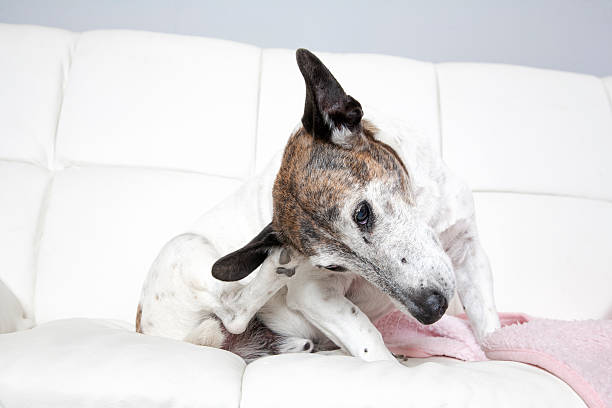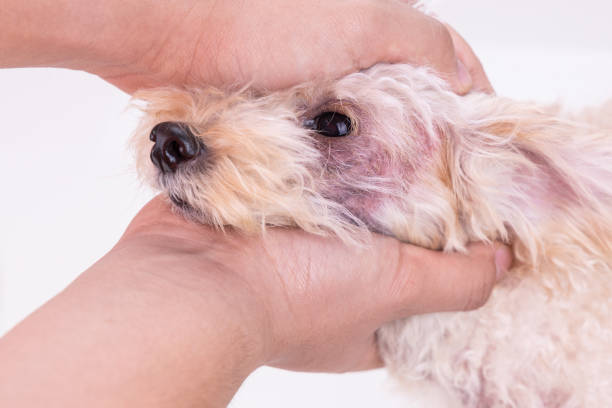

Ringworm is a fungal infection that can affect dogs, causing raised, crusty, hairless patches of skin. It is not an actual worm but gets its name from the ring-like appearance that some infections create on the skin. Ringworm is contagious and can also affect other animals and humans. Dogs with more serious infections, especially puppies, older dogs, and those that are unwell, require treatment to prevent further complications.
Key Takeaways
- Ringworm is a fungal infection that affects the skin, hair, and nails of dogs.
- It is caused by a group of fungi called dermatophytes.
- Ringworm is highly contagious and can be transmitted through direct contact or touching contaminated objects and surfaces.
- Common symptoms of ringworm in dogs include circular areas of hair loss, inflammation, and scabby coverings.
- Diagnosis involves using a Wood’s lamp and performing a fungal culture.
What is Ringworm?
Ringworm is a fungal infection that affects the skin, hair, and nails in both humans and animals. It is caused by a group of fungi called dermatophytes. Unlike its name suggests, ringworm does not always appear in ring-shaped patches. This common fungal infection can occur in various domesticated species and is caused by different species of dermatophytes. These fungal organisms can be transmitted not only between animals but also from animals to humans.
To better understand ringworm, it is important to first understand what dermatophytes are. Dermatophytes are fungi that are specially adapted to infect and thrive on the skin, hair, and nails. They have the ability to break down keratin, which is the protein that makes up these structures. When the dermatophytes infect the skin, they cause skin lesions and other symptoms associated with ringworm.
Common symptoms of ringworm include red, scaly patches on the skin, hair loss, and brittle nails. In humans, ringworm often appears as a raised, itchy, circular rash with scaly edges. In animals, the symptoms can vary but typically involve hair loss, inflamed skin, and sometimes circular lesions.
Ringworm is highly contagious, and it can spread through direct contact with an infected animal or person. It can also be contracted by touching contaminated objects or surfaces that have been in contact with infected individuals. The fungal spores that cause ringworm can survive on bedding, towels, and grooming equipment for up to two years, leading to the potential for long-term environmental contamination.
In conclusion, ringworm is a fungal infection that affects the skin, hair, and nails of both humans and animals. It is caused by dermatophytes, which are fungi that specialize in infecting these structures. Ringworm can be transmitted between different animal species and between animals and humans, making it important to take proper precautions to prevent its spread.
How is Ringworm Transmitted?
Ringworm is a highly contagious fungal infection that can be transmitted through various means.
The most common way ringworm is transmitted is through direct contact with an infected animal or person. This can occur through petting, grooming, or engaging in activities that involve close contact with an infected individual. It is important to be cautious when interacting with animals or people who may have ringworm to minimize the risk of transmission.
Additionally, ringworm can be spread by touching contaminated objects or surfaces. Fungal spores shed by infected individuals can survive on bedding, towels, and grooming equipment for up to two years. Touching these contaminated surfaces and then touching your own body can lead to the transmission of ringworm.
Environmental surfaces play a significant role in the transmission of ringworm. The presence of fungal spores on surfaces creates a potential source of infection. It is crucial to maintain clean and hygienic environments, especially in areas where animals or infected individuals are present. Regular cleaning and disinfection of surfaces can help prevent the spread of ringworm.
It is important to note that the contagious nature of ringworm can vary depending on several factors. The age of the exposed individual and the amount of environmental contamination are factors that contribute to the likelihood of developing a ringworm infection.

Preventing Ringworm Transmission
To minimize the risk of ringworm transmission, it is essential to practice good hygiene and take preventive measures:
- Wash your hands thoroughly with soap and water after handling animals or coming into contact with potentially contaminated surfaces.
- Avoid sharing personal items such as towels, combs, and brushes with infected individuals.
- Clean and disinfect frequently touched surfaces regularly, especially in environments where animals or infected individuals are present.
- Keep pets and animals with suspected ringworm separate from other animals and individuals until they have received appropriate treatment.
- If you suspect you or your pet may have ringworm, seek medical attention promptly to prevent further transmission.
By understanding how ringworm is transmitted and taking necessary precautions, you can significantly reduce the risk of infection and protect yourself and your pets from this contagious fungal infection.
Symptoms of Ringworm in Dogs
In dogs, ringworm infections exhibit specific symptoms that can help identify the presence of this fungal infection. The most common symptom is hair loss, which occurs in circular lesions on the dog’s skin. These areas of hair loss may have an inflamed and scabby covering.
The circular lesions in ringworm infections are distinct and easily recognizable. They often have a red and inflamed appearance, indicating the presence of an inflammatory response to the infection. The hair on the edges of the lesions may be shorter and appear broken or stubbly.
Dogs with ringworm may also exhibit symptoms of fungal involvement in their nails. Fungal infections in the nails can lead to rough, brittle, and broken nails, causing discomfort and potential further complications.
These symptoms are characteristic of ringworm infections in dogs and can help differentiate them from other skin conditions. If you notice any of these symptoms in your dog, it is essential to seek veterinary care for proper diagnosis and treatment.
Diagnosing Ringworm in Dogs
To accurately diagnose ringworm in dogs, veterinarians employ several diagnostic methods to confirm the presence of the fungal infection. These methods include the use of a Wood’s lamp, fungal culture tests, and analysis of hair and skin scrapings.
The Wood’s lamp, a handheld device that emits ultraviolet light, can aid in the diagnosis of ringworm. When exposed to the Wood’s lamp, some cases of ringworm may exhibit a characteristic fluorescent glow. However, it’s important to note that not all ringworm infections will show clear fluorescence under the Wood’s lamp.
To obtain a definitive diagnosis, veterinarians often perform a fungal culture. This involves collecting samples of hair and skin scrapings from the affected areas and sending them to a laboratory for further analysis. The laboratory technicians can then isolate and identify the specific ringworm fungi present, confirming the diagnosis.
It’s crucial to differentiate ringworm from other possible causes of hair loss in dogs. Consequently, additional tests may be recommended to rule out alternative causes. These tests can include microscopic examination of the samples, skin biopsy, or even blood tests to assess the dog’s overall health and rule out underlying conditions.
In cases where the diagnosis is inconclusive, veterinarians may consider consulting with a veterinary dermatologist to ensure an accurate diagnosis and appropriate treatment plan. Early and accurate diagnosis is essential to initiate timely treatment and prevent the further spread of ringworm.

Why is Accurate Diagnosis Important?
An accurate diagnosis of ringworm is vital to ensure the proper treatment and management of the infection. Misdiagnosis can lead to ineffective treatment or the unnecessary use of antifungal medications, which can have adverse effects on the dog’s health. Additionally, accurately diagnosing ringworm helps prevent the spread of the infection to other animals and humans in the household.
Treating Ringworm in Dogs
When it comes to treating ringworm in dogs, a comprehensive approach is necessary to ensure successful eradication of the infection. The treatment protocol typically involves a combination of topical therapy, systemic therapy, and environmental cleaning.
Topical therapy plays a crucial role in treating ringworm. Creams, ointments, and shampoos are commonly used to directly target the affected areas of the skin. These topical treatments contain anti-fungal ingredients that help eliminate the fungal infection. Some commonly used ingredients include miconazole, terbinafine, and clotrimazole. It is important to follow the veterinarian’s instructions on the frequency and duration of application for optimal results.
In addition to topical therapy, systemic therapy involving oral anti-fungal drugs is often prescribed. These medications help tackle the ringworm infection from within the dog’s body, targeting any internal fungal growth. Griseofulvin is a commonly used oral medication for ringworm treatment in dogs, although newer drugs such as itraconazole and terbinafine may also be prescribed. It is important to administer the medication as directed by the veterinarian and complete the full course of treatment to prevent a recurrence of the infection.
Environmental cleaning is another crucial aspect of ringworm treatment. Fungal spores shed from the infected dog’s hair and skin can contaminate the environment, leading to reinfection. Regularly cleaning and disinfecting the dog’s bedding, toys, grooming tools, and any other items they come into contact with can help eliminate these sources of fungal spores. Vacuum cleaning or damp mopping all accessible areas can help remove any spores that may be present. Chlorine bleach diluted in water can be used to effectively kill fungal spores on surfaces.
It is important to note that proper and consistent treatment is necessary until the infection is fully cleared. Stopping treatment too soon can result in a recurrence of the infection. Regular monitoring by a veterinarian is essential to ensure the progress of treatment and to make any necessary adjustments.
Topical Treatment for Ringworm in Dogs
When it comes to treating ringworm in dogs, topical treatment plays a crucial role. These treatments include the use of creams, ointments, and shampoos that contain potent anti-fungal ingredients. By applying these topical solutions directly to the affected areas of the skin, we can effectively combat the fungal infection and provide relief to our furry friends.
One popular antifungal ingredient found in topical treatments is miconazole. This powerful compound inhibits the growth of the fungus, stopping the infection from spreading further. Alongside miconazole, other topical treatments may also contain terbinafine and clotrimazole – additional potent anti-fungal agents.
Shampoos for Topical Treatment
In certain cases, using medicated shampoos specially formulated to combat ringworm can prove highly effective. These shampoos contain the aforementioned antifungal ingredients and provide a convenient way to treat ringworm while also cleansing the dog’s coat. However, in more severe cases of ringworm, shaving the hair in the affected areas may be recommended to better facilitate the application of topical treatments.
In addition to the creams, ointments, and shampoos, there are also topical treatments available that combine anti-fungal agents with other ingredients. For instance, a chlorhexidine + miconazole-based shampoo or a lime-sulfur dip may be prescribed to tackle stubborn ringworm infections.

It’s essential to follow the veterinarian’s instructions carefully and be consistent with the application of topical treatments. The duration of treatment may vary depending on the severity and response to treatment. It’s important not to stop the treatment prematurely, as this can lead to a recurrence of the infection.
By combining topical treatment with appropriate systemic therapy and diligent environmental cleaning, we can effectively eliminate ringworm in dogs and provide them with the relief they deserve.
Oral Treatment for Ringworm in Dogs
In most cases of ringworm, oral anti-fungal drugs are prescribed in combination with topical treatment. These medications help to eliminate the fungal infection from within the body. The most commonly used oral anti-fungal drug for treating ringworm in dogs is griseofulvin. It works by interfering with the growth of the fungus, preventing its spread and allowing the body’s immune system to clear the infection.
Newer oral anti-fungal drugs, such as itraconazole and terbinafine, have also shown effectiveness in treating ringworm in dogs. These drugs offer alternative options for cases where griseofulvin may be ineffective or poorly tolerated by the dog. Itraconazole and terbinafine work by targeting the fungal cell walls, disrupting their growth and reproduction.
The response to oral treatment can vary depending on the severity of the infection and the overall health of the dog. It is essential to complete the recommended course of treatment as prescribed by the veterinarian. Stopping treatment too soon can lead to a recurrence of the infection.
In addition to oral treatment, topical therapy should also be continued as part of the overall treatment plan. This may include the use of creams, ointments, and shampoos containing anti-fungal ingredients. The combination of oral and topical treatment helps to ensure thorough eradication of the ringworm infection.
Regular follow-up visits to the veterinarian are important to monitor the dog’s progress and response to treatment. If there is no improvement or if the infection persists, the veterinarian may adjust the treatment plan or recommend additional diagnostic tests to rule out other underlying conditions.
Benefits of Oral Treatment for Ringworm in Dogs
- Effective in eliminating the fungal infection from within the body
- Can be used in combination with topical therapy for a comprehensive approach
- Alternative options available for dogs that do not respond well to griseofulvin
- Targets the fungal cell walls to disrupt their growth and reproduction
- Regular follow-up visits allow for monitoring of the dog’s progress and response to treatment
Environmental Cleaning for Ringworm in Dogs
When it comes to dealing with ringworm in dogs, environmental cleaning plays a crucial role in minimizing the spread of the fungal infection. The spores of the ringworm-causing fungi can easily be shed into the environment through infected hairs, making it essential to take proactive measures to prevent further contamination.
Regular cleaning of all accessible areas is highly recommended to remove any potential sources of fungal spores. This can be achieved through activities like damp mopping or vacuum cleaning, which help eliminate the risk of spore dispersal. By regularly cleaning floors, furniture, and other surfaces, you can significantly reduce the likelihood of environmental contamination.
In circumstances where ringworm has been detected in your home, it is essential to decontaminate the environment effectively. One way to achieve this is by using a solution of chlorine bleach and water. This potent combination can kill the fungal spores, preventing their spread and reducing the risk of reinfection.
To minimize the presence of pet hair and reduce environmental contamination, it is important to remove any loose hairs from floors, furniture, and other surfaces. This helps eliminate potential sources of fungal spores, further supporting the decontamination process.
Contagious Period and Recovery from Ringworm in Dogs
Dogs with ringworm can remain contagious for approximately three weeks, especially if they receive aggressive treatment. However, it is important to note that the infection can last longer and remain contagious if minimal measures are taken or if the treatment is not followed as prescribed.
With appropriate treatment, most dogs are able to recover from ringworm. However, there is a risk of recurring infection if the treatment is stopped prematurely or if the dog has an underlying immune system condition that hinders their recovery. It is essential to complete the full course of treatment to ensure complete eradication of the infection and minimize the risk of recurrence.
Ringworm in dogs can also pose a risk to humans, especially those with weakened immune systems. It is crucial to take necessary precautions and maintain good hygiene practices when handling infected dogs to minimize the risk of transmission. Regular handwashing after contact with infected animals is highly recommended.
Recovery from Ringworm
Dogs that receive appropriate treatment for ringworm often experience significant improvement within a few weeks. As treatment progresses, the hair begins to regrow, and the affected skin returns to a healthy condition. However, it is important to continue monitoring the dog’s progress even after visible signs of the infection have disappeared. Negative fungal cultures are an indication that the dog is no longer contagious and has successfully recovered from the infection.
Despite successful treatment, there is always a possibility of recurring infection if proper preventative measures are not taken. It is essential to maintain good hygiene practices, regularly clean the dog’s living environment, and promptly address any potential sources of reinfection. Regular check-ups with a veterinarian are recommended to ensure the dog’s ongoing health and to detect any signs of recurring infection at an early stage.
Causes and Transmission of Ringworm in Dogs
Ringworm, a common fungal infection in dogs, is caused by a group of fungi known as dermatophytes. The most prevalent species of dermatophytes responsible for ringworm in dogs include Microsporum canis, Microsporum gypseum, and Trichophyton mentagrophytes. These fungi can infect the skin, hair, and nails of both dogs and humans.
Ringworm is primarily transmitted through direct contact with an infected animal or person. It can also spread through contact with contaminated objects or environmental surfaces. Dermatophytes produce infectious spores that can survive for up to 18 months, making it crucial to thoroughly clean and disinfect any areas where the infection may be present.
Dogs can contract ringworm from other infected animals or from their immediate environment. This can occur through interactions with infected soil, contaminated grooming equipment, or shared bedding. It’s important to note that ringworm can also be transmitted from dogs to humans, especially those with a weakened immune system.
To help prevent the transmission of ringworm, it is recommended to avoid direct contact with infected animals and to practice good hygiene. Regularly cleaning and disinfecting your dog’s living areas, grooming tools, and bedding can help reduce the risk of infection. If you suspect your dog may have ringworm, consult a veterinarian for proper diagnosis and treatment.
Ringworm in Dogs’ Ears and Hair Loss
Dogs can develop ringworm in their ears if they come into contact with the infection through scratching or by being exposed to contaminated soil. One of the common symptoms of ringworm in dogs is hair loss, which occurs when the infected hairs break off at the base. It is essential to consult a veterinarian for an accurate diagnosis as hair loss can also be caused by other conditions.
The treatment for ringworm in dogs’ ears may involve the use of medicated drops specifically formulated to kill the fungus and control the infection. These drops, combined with other measures prescribed by the veterinarian, can effectively help treat the condition and alleviate any discomfort experienced by the dog.
It’s important to note that while ringworm is a common cause of hair loss in dogs, there are other potential causes as well. Consulting a veterinarian is crucial to determine the underlying cause and provide appropriate treatment for your furry friend. They can perform necessary tests and recommend the right course of action to ensure your dog’s ear health and overall well-being.