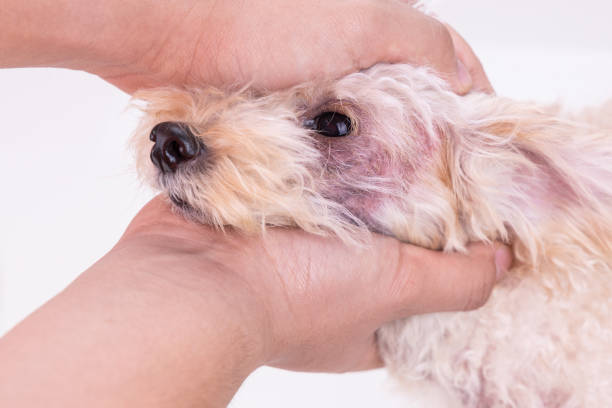

At Lombard Veterinary Hospital, our veterinarians and support staff are empathetic, compassionate, and trained to focus on both the emotional and medical aspects of dog cancer. Dogs are susceptible to the same types of cancer as humans, and half of all cancer in dogs is treatable if it is detected early. The most common types of cancer in dogs include Hemangiosarcoma, Mast Cell Tumors, Lymphoma, Osteosarcoma, Brain Tumors, Bladder Cancer, Mammary Carcinoma, Malignant Histiocytosis, Squamous Cell Carcinomas, Mouth and Nose Cancer, Melanoma, and Testicular Cancer. Some signs of cancer in dogs include lumps, abnormal odours, abnormal discharge, abdominal swelling, non-healing wounds, weight loss, change in appetite, coughing or difficulty breathing, lethargy or depression, changes in bathroom habits, and evidence of pain. Early detection and treatment are key to preserving your dog’s health and quality of life.
Key Takeaways
- Dogs are susceptible to a variety of cancer types that affect humans as well.
- Early detection of cancer in dogs is crucial for successful treatment.
- Common signs of cancer in dogs include lumps, weight loss, and changes in appetite.
- Treatment options for canine cancer include surgery, chemotherapy, radiation therapy, and holistic care.
- Veterinary care and regular check-ups are essential for managing and treating dog cancer.
Types of Cancer in Dogs
When it comes to cancer, dogs can be affected by various types. Some of the most common types of cancer in dogs include Hemangiosarcoma, Mast Cell Tumors, Lymphoma, Osteosarcoma, Brain Tumors, Bladder Cancer, Mammary Carcinoma, Malignant Histiocytosis, Squamous Cell Carcinomas, Mouth and Nose Cancer, Melanoma, and Testicular Cancer. Each type of cancer has its own unique characteristics and treatment options.
For instance, Hemangiosarcoma is a cancer that affects the blood vessels and can occur in the spleen, liver, or heart. Mast Cell Tumors, on the other hand, are skin tumors that can vary in severity. Lymphoma is a cancer of the lymphatic system and can affect various organs, including the lymph nodes, liver, and spleen. Osteosarcoma is a bone cancer commonly found in large breed dogs. Brain Tumors can cause neurological symptoms, such as seizures and behavioral changes.
It is crucial for dog owners to consult with a veterinarian for an accurate diagnosis and a tailored treatment plan based on the specific type of cancer their dog is facing. By partnering with a veterinary professional, dog owners can access the necessary expertise and guidance to navigate the complexities of cancer treatment.
Symptoms of Cancer in Dogs
When it comes to cancer in dogs, recognizing the symptoms early on is crucial for prompt diagnosis and effective treatment. While the symptoms may vary depending on the type and location of the cancer, there are some common signs to watch out for.
One of the most noticeable symptoms is the presence of a mass or lump on your dog’s body. This can be felt while petting or grooming your dog and should not be ignored. Additionally, if your dog’s energy levels are consistently low and they seem less interested in activities they used to enjoy, it could be a sign of cancer.
Changes in appetite and weight loss are also common symptoms. If your dog is eating less or displaying a significant decrease in weight, it is important to investigate further. Coughing, increased drinking, and abnormal vomiting or diarrhea may also be indicators of cancer in dogs.
It is crucial to closely monitor any changes in your dog’s behavior or physical appearance. Regular check-ups with your veterinarian are essential for the early detection of cancer in dogs. If you notice any concerning symptoms, consult with your veterinarian for a proper diagnosis and treatment plan.

Diagnosing Canine Cancer
Diagnosing canine cancer requires a thorough examination and a combination of tests and procedures. When your dog presents with symptoms that may indicate cancer, your veterinarian will take a comprehensive approach to determine the presence and nature of the disease.
To begin the diagnosis process, your vet may perform a fine needle aspirate or biopsy to sample the lump or tumor. This procedure involves extracting a small amount of cells or tissue for analysis. The sample will be examined under a microscope to identify any malignant cells, providing valuable information about the type of cancer and its characteristics.
In addition to tissue sampling, diagnostic imaging such as x-rays or ultrasounds may be used to visualize the affected area inside your dog’s body. These imaging techniques can help identify the presence and location of tumors or abnormal growths, aiding in the diagnosis and determination of appropriate treatment options.
Blood tests are another crucial component of diagnosing canine cancer. These tests can check for specific markers or abnormalities that may indicate the presence of cancer in your dog’s system. By analyzing blood samples, your veterinarian can assess the overall health of your pet and look for tell-tale signs of cancer.
Staging is an essential step in diagnosing cancer and involves evaluating the extent of its spread within your dog’s body. This process helps determine the most effective treatment options as it provides critical information about the progression of the disease, including whether it has metastasized to other organs or tissues.
Through a combination of these diagnostic tests and procedures, your veterinarian can accurately diagnose canine cancer and develop an individualized treatment plan for your beloved pet.
Treatment Options for Dogs with Cancer
When it comes to treating cancer in dogs, there are several options available based on the type of cancer, stage of the disease, and the overall health of the dog. The goal of treatment is to effectively manage the cancer and improve the dog’s quality of life.
Surgery
Surgery is a common treatment option for dogs with cancer. It involves removing the tumor or affected tissue from the body. Surgery is often recommended for solid tumors that are localized and haven’t spread to other parts of the body. It can help eliminate the source of the cancer and prevent further growth or spread.
Chemotherapy
Chemotherapy is another common treatment option for dogs with cancer. It involves the administration of specific medications that target and kill cancer cells. Chemotherapy can be used to shrink tumors, slow down the progression of the disease, and alleviate symptoms. It is often used in combination with other treatment modalities.
Radiation Therapy
Radiation therapy uses high-energy beams to target and kill cancer cells. It is commonly used for localized tumors or as a follow-up treatment after surgery to remove any remaining cancer cells. Radiation therapy can help destroy cancer cells and reduce the chance of recurrence or further spread of the disease.
Holistic or Herbal Therapy
In addition to conventional treatment options, some pet owners opt for holistic or herbal therapy to support their dog’s overall well-being and boost their immune system. These therapies may include dietary changes, supplements, acupuncture, or herbal remedies. It’s important to consult with a veterinarian experienced in holistic cancer care to ensure the safety and effectiveness of these treatments.
Each dog is unique, and the choice of treatment will depend on various factors. The veterinarian will consider the type of cancer, the stage of the disease, and the dog’s overall health to develop a tailored treatment plan. It’s crucial for pet owners to communicate openly with their veterinarian and ask any questions they may have about the treatment options for their dog’s specific condition.
By exploring these treatment options and working closely with a veterinarian, pet owners can give their dogs the best chance for a successful outcome in their battle against cancer.
Palliative Care for Incurable Cancer
In cases where the cancer is incurable, palliative care can be provided to keep the dog comfortable and improve their quality of life. The goal of palliative care is to ensure the dog’s well-being and provide support for the family during this difficult time.
This type of care focuses on managing the symptoms of cancer and providing pain relief. Pain relief medication may be prescribed to help alleviate any discomfort or pain the dog may experience. Specialized home care may also be recommended, including comfortable bedding, regular exercise, and a balanced diet tailored to the dog’s needs.
Regular check-ups with the veterinarian are essential to monitor the dog’s condition and make any necessary adjustments to their care plan. These check-ups allow the veterinarian to assess the dog’s response to treatment, address any concerns, and provide ongoing support for the family.
Palliative care not only helps to keep the dog comfortable, but it also provides emotional support for their family. Dealing with an incurable cancer diagnosis can be emotionally challenging, and having a compassionate veterinary team to lean on can make a significant difference. They can offer guidance, answer questions, and provide resources to help manage the emotional impact of the situation.
Overall, palliative care for dogs with incurable cancer focuses on maximizing their comfort and quality of life. It is a compassionate approach that aims to provide the best possible care and support during this difficult time.
Decision Making and Questions to Ask Your Vet
When faced with a diagnosis of cancer in a dog, making decisions about their treatment and care can be challenging. It is important to have open and honest discussions with your veterinarian to fully understand your dog’s condition and make informed decisions.
Some questions to consider asking your vet include:
- What type of cancer does my dog have?
- What are the available treatment options?
- What is the prognosis for my dog?
- What are the potential side effects of the recommended treatment?
- How much will the treatment cost?
Your veterinarian will be able to provide you with detailed information about the type of cancer your dog has and the various treatment options available. They can outline the potential outcomes of each treatment and help you weigh the benefits and risks. Discussing the potential side effects will also allow you to prepare for any changes in your dog’s health or behavior during the treatment process.
Additionally, it’s essential to consider the financial aspect of cancer treatment for your dog. Understanding the cost of treatment upfront will help you plan and budget accordingly, ensuring your dog receives the necessary care without causing significant financial strain.
Remember, you and your veterinarian are a team, working together to provide the best possible care for your dog. By asking questions, seeking clarification, and actively participating in the decision-making process, you can make informed choices that align with your dog’s needs and your personal circumstances.

When It’s Time to Say Goodbye
Making the decision to euthanize a dog with cancer can be one of the most difficult decisions a pet owner has to make. It is important to consider the dog’s quality of life, including their ability to enjoy food, engage in normal activities, and be comfortable while sleeping. If the dog’s suffering becomes unbearable or their quality of life significantly declines, it may be kindest to let them go. Consult with your veterinarian to discuss the best course of action.
When faced with the heartbreaking choice of saying goodbye to a beloved pet, it is crucial to seek guidance from a trusted veterinarian. They can provide compassionate support and help you navigate through this emotional time. They can assess your dog’s condition, taking into account their overall well-being and any pain or discomfort they may be experiencing.
Your veterinarian will explain the options available, including euthanasia, which is a peaceful and painless way to end your dog’s suffering. They can guide you through the process, explaining what to expect and answering any questions or concerns you may have. It is important to remember that euthanasia is a personal decision that should be made with love and in the best interest of your furry companion.
The Importance of Saying Goodbye
Saying goodbye is an act of love and compassion towards our loyal companions. It allows us to grant them the peace and dignity they deserve, sparing them from further pain or distress. Although it is an incredibly difficult decision, it is a selfless choice made to prioritize their well-being and end their suffering.
As pet owners, we have a responsibility to ensure our furry friends’ quality of life. When cancer becomes too burdensome or the treatment options are no longer effective, saying goodbye may be the kindest and most humane choice we can make. It allows them to pass peacefully, surrounded by familiar faces and in a familiar environment.
Coping with Grief
After saying goodbye to your beloved dog, it is natural to experience a profound sense of grief and loss. Remember that mourning is a personal process, and everyone copes differently. Give yourself permission to grieve and seek support from friends, family, or a pet loss support group.
Take the time to remember and celebrate the joy and love your dog brought into your life. Create a memorial or tribute to honor their memory. Whether it’s a photo collage, a special place in the garden, or a personalized keepsake, finding a way to honor your furry friend can bring comfort during this difficult time.
It’s essential to take care of yourself while grieving. Allow yourself to feel the emotions fully, practice self-care, and reach out for support when needed. Time will heal the wounds, but the memories and love for your dog will forever remain in your heart.
Cost of Cancer Treatment for Dogs
The cost of cancer treatment for dogs can vary significantly depending on various factors. These factors include the type of cancer, the stage of the disease, and the chosen treatment options. It is crucial for dog owners to discuss the cost of treatment with their veterinarian to gain a better understanding of the potential expenses involved.
When considering the cost of cancer treatment for dogs, it is important to remember that the investment is for the well-being and health of your beloved pet. The chosen treatment options play a significant role in determining the overall cost. Some common treatment options for canine cancer include surgery to remove the tumor, chemotherapy, radiation therapy, and holistic therapies.

Consulting with your veterinarian about the cost of treatment can help you make informed decisions about your dog’s healthcare. They can provide you with an estimate of the expenses and discuss potential payment options. In some cases, pet insurance can be a valuable investment to help cover the costs of cancer treatment.
While the cost of cancer treatment for dogs can be a significant financial commitment, it is important to weigh it against the potential benefits for your furry friend. The goal is to provide the best possible care and improve their quality of life. Your veterinarian is there to guide you and help you make the best decisions for your dog’s health and well-being.
Monitoring Lumps in Dogs
If your dog has a lump or mass that is being monitored, it is important to keep track of its size, texture, consistency, and any changes in appearance. Regular monitoring can help you and your veterinarian assess any progression or potential concerns.
One useful method is to take photographs of the lump from different angles to document its visual changes over time. This visual record can provide valuable information to your veterinarian during check-ups or if any significant changes occur.
Additionally, measuring the lump with a ruler or tape measure can help quantify any growth or shrinkage. By recording these measurements, you can track any fluctuations in size and inform your veterinarian of any noteworthy changes.
Remember, as the caretaker, you play a vital role in spotting changes in your dog’s health. Pay attention to factors such as the lump’s size, texture, consistency, and any changes in appearance. If you notice any significant changes, such as rapid growth, changes in shape, or the development of additional lumps, it is essential to promptly notify your veterinarian.
Early detection and communication with your veterinarian are crucial for effective management and a positive outcome. By actively monitoring lumps in dogs, you can support your furry friend’s well-being and ensure timely intervention if necessary.
Conclusion
Cancer is a significant concern for dog owners, but with early detection and appropriate treatment, many cases of cancer in dogs can be managed effectively. Being vigilant for any signs or symptoms of cancer in your dog is crucial. If you notice anything unusual, such as lumps, abnormal odors, or changes in appetite, it is important to consult with a veterinarian for a proper diagnosis and treatment options.
Prioritizing your dog’s well-being and quality of life throughout the cancer journey is essential. Work closely with your veterinarian to develop a personalized treatment plan that takes into account your dog’s individual needs and circumstances. Remember, there are various treatment options available, including surgery, chemotherapy, radiation therapy, and holistic care, depending on the type and stage of cancer.
By investing in your dog’s health and seeking timely veterinary care, you can give them the best chance at a happy and comfortable life. Stay proactive, stay informed, and give your beloved companion the support they need to fight cancer and enjoy a fulfilling life by your side.