
The aging process in dogs has always intrigued pet owners. Many are familiar with the belief that each dog year is equivalent to seven human years. However, this commonly accepted calculation is not entirely accurate. The reality is much more complex, with various factors influencing the aging process in dogs. In this article, we will explore the science behind dog aging, how to calculate dog years to human years, and why understanding your dog’s age is crucial for their well-being.
Key Takeaways:
- Calculating a dog’s age in human years is more complex than the popular “multiply by seven” method.
- The American Veterinary Medical Association provides a general guideline, but individual factors such as breed and size can influence the aging process.
- Canine gerontology is a growing field of science dedicated to studying the aging process in dogs.
- Smaller dogs tend to live longer than larger breeds, but the exact reasons are still not fully understood.
- Genetics play a significant role in a dog’s lifespan, and responsible breeding practices can promote healthier aging.
How to Calculate Dog Years to Human Years?
Calculating a dog’s age in human years can be a helpful way to understand their life stage and provide appropriate care. While the commonly believed “multiply by seven” method is not accurate, the American Veterinary Medical Association (AVMA) offers a general guideline for calculating dog years to human years.
According to the AVMA’s recommendation, the first year of a medium-sized dog’s life is equivalent to 15 human years. The second year of a dog’s life is about nine human years, and after that, each human year would be approximately five years for a dog. This estimation can serve as a starting point to understand how dogs age compared to humans.
However, it’s important to note that this guideline is a rough estimate. Individual factors, such as breed and size, can influence the aging process in dogs. For example, smaller breeds tend to have longer lifespans compared to larger breeds.
Understanding your dog’s age in human years can help you provide the appropriate level of care, whether they are a playful pup or a senior canine. Remember, regular veterinary check-ups and personalized advice from a veterinarian are essential for maintaining your dog’s health and well-being throughout their life.
When estimating your dog’s age in human years, consider their breed, size, and overall health. By understanding how dogs age and using the AVMA’s guideline as a starting point, you can ensure your furry friend receives the care they need at every stage of their life.
Factors Affecting Dog Aging
Several factors can influence the aging process in dogs. When it comes to small dogs and cats, they are typically considered “senior” at around seven years old. On the other hand, larger breed dogs tend to reach their senior years at ages five to six. The classification of “senior” is based on the understanding that pets age faster than humans, and they begin to experience age-related issues at these stages of life.
It is worth noting that larger dogs generally have shorter lifespans compared to their smaller counterparts. Researchers are continuously exploring the relationship between body mass and a dog’s lifespan, but the exact correlation has not yet been fully understood.

Factors influencing dog aging:
- Size and breed: Small dogs and cats are generally considered “senior” at around seven years old, while larger breed dogs reach their senior years at ages five to six.
- Pets age faster: Pets age at a faster rate compared to humans, making them more prone to age-related issues at earlier stages of life.
- Shorter lifespans for larger dogs: Larger dogs tend to have shorter lifespans compared to smaller breeds.
The Science of Canine Aging
Canine gerontology is a fascinating field of science that delves into the intricate process of aging in dogs. Through dedicated research initiatives like the Dog Aging Project, scientists are actively working towards a better understanding of this process, with the ultimate goal of improving the quality of life for aging dogs.
One area of study within canine gerontology involves epigenetic clock studies. These studies focus on unraveling the relationship between changes in DNA over time and the aging process in dogs. By analyzing DNA methylation, researchers have gained valuable insights into the potential for more accurate calculations of a dog’s age in human years based on these changes.
These scientific endeavors are shedding light on the mechanisms that govern the aging process in dogs. While the exact intricacies of canine aging are not yet fully understood, ongoing research is uncovering important clues that may contribute to extending pet longevity and promoting healthy ageing for our beloved canine companions.
Why Do Smaller Dogs Live Longer?
It is a well-known fact that smaller dogs tend to live longer than larger breeds. The exact reason for this is still unknown, but researchers have proposed several theories.
One theory suggests that larger dogs may be more prone to age-related illnesses and abnormal cell growth, leading to a higher risk of cancer. The rapid growth and development of large dogs may also contribute to their shorter lifespans. Further research is needed to fully understand the relationship between body mass and the lifespan of dogs.

In conclusion, while smaller dogs have a longer lifespan compared to larger breeds, the precise reasons behind this phenomenon require more investigation. Understanding the factors that influence pet longevity can help pet owners make informed decisions regarding their senior dog’s care and well-being.
Using DNA to Calculate Dog Age
In 2019, researchers at the University of California San Diego conducted an epigenetic clock study to develop a more accurate method of calculating a dog’s age in human years. The study focused on changes in DNA methylation, a process that occurs in both humans and dogs as they age.
By analyzing the DNA of Labrador Retrievers, the researchers derived a formula to adjust a dog’s age to human years. While this formula may not be applicable to all breeds, it represents a more scientifically-backed approach than the traditional “multiply by seven” method.
By studying DNA methylation, researchers are gaining valuable insights into the epigenetic changes that occur during the aging process in dogs. These insights can help refine our understanding of canine aging and provide more accurate calculations of a dog’s age in human years.
Signs of Aging in Dogs
As dogs age, they may exhibit various physical and behavioral signs of aging. It’s important for pet owners to be aware of these signs and provide appropriate care for their aging dogs.
Physical Signs of Aging
Some common physical signs of aging in dogs include:
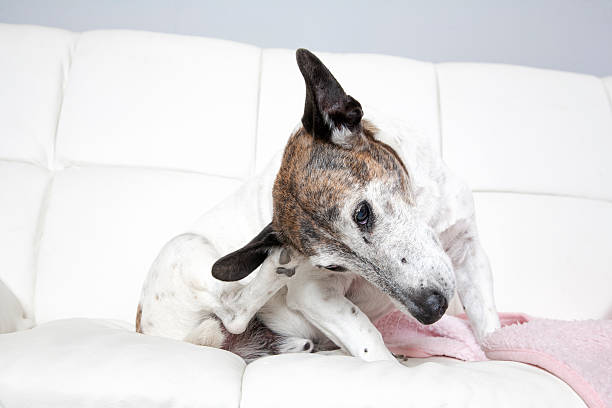
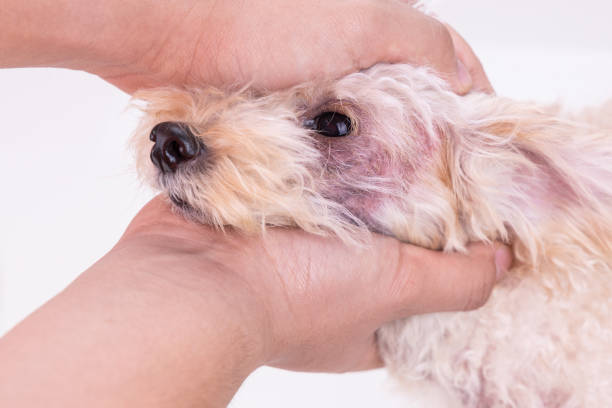
- Graying Hair: Just like humans, dogs can develop gray hair as they age. This is often most noticeable around the muzzle and face.
- Cloudy Eyes: Dogs may develop a cloudy appearance in their eyes as they age. This can be a sign of cataracts or other age-related eye conditions.
- Stiff Muscles and Joints: Older dogs may experience stiffness and difficulty moving around. This can be due to arthritis or other joint-related conditions.
- Decreased Activity Levels: Aging dogs may become less active and have reduced energy levels. They may also have difficulty keeping up with their usual exercise routine.
Behavioral Signs of Aging
Behavioral signs can also indicate that a dog is aging:
- Increased Anxiety: Older dogs may become more anxious or agitated, especially in new or unfamiliar situations.
- Confusion: Aging dogs may display signs of confusion or disorientation, such as getting lost in familiar surroundings or forgetting previously learned commands.
- Changes in Eating Habits or Sleep Patterns: Some dogs may develop changes in their appetite or sleep patterns as they age. This could include eating less or more, as well as disturbances in their sleep-wake cycle.
Recognizing these signs of aging in dogs can help pet owners provide the appropriate care. Regular vet check-ups, a balanced diet, and mental and physical stimulation are important components of senior dog care.

How to Estimate Your Dog’s Age
If you do not know your dog’s exact age, there are several methods to estimate it. One common approach is to examine your dog’s teeth. By looking at the development and wear of their teeth, you can get a rough idea of their age.
For example, by seven months, all of a dog’s permanent teeth have grown in. By 1-2 years, the teeth may show dullness and slight yellowing, and by 5-10 years, there may be signs of wear and dental disease.
Another option is to consult with a veterinarian who can assess your dog’s physical condition and provide a more accurate estimate of their age.
Why Understanding Your Dog’s Age is Important
Understanding your dog’s age is crucial for providing appropriate care and ensuring their overall well-being. Different breeds and sizes age at different rates, so knowing your dog’s age can help you determine when they may enter their senior years and require specific care.
Regular vet check-ups are essential for monitoring the health of your aging pet. These check-ups can detect any age-related health issues early on, allowing for prompt intervention and treatment. Additionally, vets can provide guidance on appropriate senior dog care, including dietary recommendations and exercise routines.
A balanced diet is vital for promoting pet longevity. As dogs age, their nutritional needs may change. Adjusting their diet to suit their age can help prevent weight gain or loss, as well as support their overall health and vitality.
Exercise and mental stimulation are also key aspects of senior dog care. Keeping your aging dog active can help maintain their muscle tone, joint flexibility, and mental acuity. Engaging in activities that challenge their minds, such as puzzle toys or obedience training, can also help keep them mentally sharp as they age.
Important Considerations for Senior Dog Care:
- Provide regular vet check-ups to monitor their health and address any age-related issues.
- Feed them a balanced diet appropriate for their age and nutritional needs.
- Ensure they get regular exercise to maintain muscle tone and joint flexibility.
- Engage them in mental stimulation activities to keep their minds sharp.
By understanding your dog’s age and implementing proper senior dog care, you can help prolong their life expectancy and enhance their quality of life as they age.
Tips for Caring for Aging Dogs
As your dog ages, there are several steps you can take to ensure they receive the best possible care.
- Feed them a healthy diet formulated for senior dogs. Providing nutritious food specifically designed for aging pets can support their overall health and well-being. Consider consulting with a veterinarian to determine the most suitable diet for your dog.
- Maintain their weight within a normal range. Obesity can exacerbate health issues in older dogs, so it’s important to monitor their weight and adjust their diet and exercise accordingly.
- Keep their vaccinations and preventives up to date. Aging dogs may be more susceptible to certain diseases, so regular vaccinations can help protect their health. Additionally, continue flea and tick preventives to keep your dog safe from parasites.
- Schedule regular vet check-ups, including bloodwork. Routine veterinary visits allow for early detection and management of age-related health issues. Blood tests can provide valuable insights into your dog’s overall health and help identify any underlying conditions.
- Ensure their environment is safe and free from toxins. As dogs age, they may become more sensitive to environmental hazards. Remove any potential dangers such as toxic plants, chemicals, or objects that could cause injury.
- Provide mental and physical stimulation to keep them active and engaged. Regular exercise, interactive toys, and mental stimulation can help keep your aging dog’s mind sharp and muscles strong. Consider incorporating gentle activities that are suitable for their age and physical capabilities.
By following these tips, you can ensure your senior dog receives the care they need to live a happy and healthy life.
The Importance of Genetics in Dog Aging
When it comes to the lifespan of dogs, genetics plays a significant role. Just like humans, dogs inherit genes from their parents that can influence their susceptibility to certain health conditions. These hereditary factors can have a profound impact on the overall health and longevity of our canine companions.
Responsible breeding practices are crucial in ensuring the well-being of future generations of dogs. By selecting breeding pairs with desirable genetic traits and health histories, breeders can help promote healthier aging and longer lifespans. This proactive approach is essential in reducing the risk of inherited diseases and maximizing pet longevity.
Understanding the role of genetics in dog aging is not only important for breeders but also for pet owners. By being aware of their dog’s genetic predispositions, owners can take precautionary measures and provide appropriate care to mitigate the risks associated with certain health conditions.
Research has shown that certain breeds are more prone to specific hereditary conditions. For example, Labrador Retrievers have a higher likelihood of developing hip dysplasia, while Cavalier King Charles Spaniels are genetically predisposed to heart conditions.
By having a comprehensive knowledge of their dog’s genetic background, owners can work closely with their veterinarian to develop customized care plans that address specific health concerns. Regular check-ups, appropriate diet, exercise, and preventive measures can all contribute to promoting better health and prolonging a dog’s life expectancy.
Conclusion
Understanding the aging process in dogs can be a complex task. Factors such as breed, size, and genetics all contribute to how dogs age in human years. While the traditional “multiply by seven” method is not accurate, there are more scientifically-backed approaches, such as DNA methylation studies, that offer a better estimation of a dog’s age in human years.
By knowing your dog’s age, you can provide the appropriate care they need as they age. Senior dog care is essential to promote their health and well-being. Regular check-ups with a veterinarian, a balanced diet, and physical and mental stimulation are all important components of caring for aging dogs.
Remember, every dog is unique, and consulting with a veterinarian will provide you with personalized advice for your aging pet. With the right understanding and care, you can ensure that your canine companion enjoys a happy and healthy life, no matter their age.