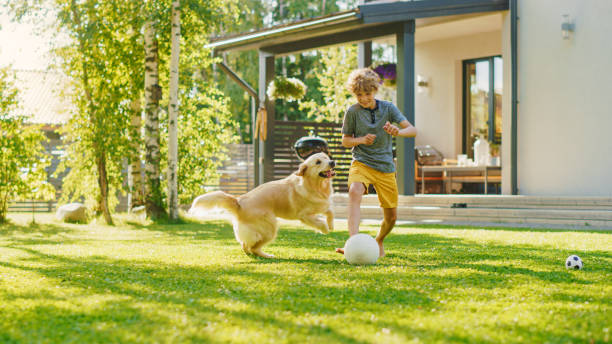

Dog play therapy offers numerous benefits for individuals, both mentally and emotionally. Through the presence and interaction with dogs, these therapy sessions can provide a sense of encouragement, motivation, and hope. Dogs create a non-judgmental environment where individuals feel accepted and can be themselves. The release of oxytocin, dopamine, and serotonin during these sessions leads to decreased levels of cortisol, resulting in improved emotional well-being.
Key Takeaways
- Dog play therapy provides a sense of encouragement, motivation, and hope for individuals.
- Interacting with dogs creates a non-judgmental environment where individuals can be themselves.
- The release of oxytocin, dopamine, and serotonin during dog play therapy improves emotional well-being.
Strengthening the Bond Between Humans and Dogs
Dog play therapy plays a significant role in strengthening the bond between humans and dogs. Through engaging in play sessions, individuals can develop a deeper connection with their furry friends. The shared experiences during playtime create a sense of companionship and friendship. This bond formed through dog play therapy is essential for both mental and emotional growth.
During play sessions, humans and dogs engage in various activities that promote interaction and collaboration. Whether it’s playing fetch, tugging on a rope toy, or engaging in agility exercises, these playful interactions foster a sense of trust and understanding between humans and their canine companions.
Benefits of Dog Play Therapy in Strengthening the Bond
- Enhanced Communication: Dog play therapy provides an opportunity for humans to communicate with their dogs through non-verbal cues and gestures. This form of communication strengthens the bond and deepens the understanding between both parties.
- Increased Trust: Through regular play sessions, dogs learn to trust their human counterparts. This trust forms the foundation of a strong and resilient bond that extends beyond playtime.
- Positive Associations: Dog play therapy creates positive associations between humans and dogs. The enjoyable and rewarding experiences during playtime build a lasting bond built on love, fun, and mutual respect.
- Shared Experiences: Participating in dog play therapy creates shared experiences that humans and dogs can reminisce about. These memories strengthen the connection, making it more meaningful and enduring.
Dog play therapy is not merely about having fun; it is a powerful tool for strengthening the bond between humans and dogs. By engaging in playful activities together, individuals can enhance their relationship, promote mutual understanding, and create lifelong companionship. The emotional and cognitive benefits gained from dog play therapy contribute to the overall well-being of both humans and their furry friends.
Enhancing Mental Well-being
Engaging in dog play therapy has been shown to enhance mental well-being. Interacting with dogs during play sessions helps individuals feel calmer and happier. The presence of a dog can provide encouragement, motivation, and a reason to engage in physical activity. This can lead to a decrease in anxiety, stress, and depression, allowing individuals to experience improved mental health.
During dog play therapy sessions, individuals have the opportunity to connect with a furry companion who offers unconditional love and acceptance. Dogs create a comforting environment where individuals can let go of their worries and find solace in the present moment. The therapeutic benefits of dog play are multi-fold, contributing to overall mental well-being.
The Therapeutic Benefits of Dog Play
- Stress Reduction: Interacting with dogs during playtime has a calming effect on the mind and body. The playful nature and non-judgmental attitude of dogs can help reduce stress levels and promote relaxation.
- Emotional Support: Dogs are known for their ability to provide emotional support. Through play sessions, individuals can express their emotions freely and receive comfort and companionship from their canine friends.
- Increase in Happiness: Playing with dogs triggers the release of endorphins, hormones that promote happiness and well-being. The joyful interactions and shared experiences during dog play therapy sessions can boost individuals’ overall mood and outlook on life.
- Physical Activity: Engaging in play sessions with dogs encourages individuals to be physically active. This not only promotes physical health but also contributes to the release of endorphins and the reduction of stress and anxiety.
- Sense of Purpose: Dog play therapy provides individuals with a purpose and motivation to engage in activities. Taking care of and playing with a dog gives individuals a sense of responsibility and boosts their self-esteem.

The image above illustrates the joy and positive impact that dog play therapy can have on an individual’s mental well-being. By immersing themselves in play and forming a bond with a therapy dog, individuals can experience a boost in their mental health and overall well-being.
In summary, dog play therapy offers a valuable avenue for enhancing mental well-being. Through play sessions, individuals can cultivate a sense of calm, happiness, and purpose, while also benefiting from the physical activity and emotional support that dogs provide. The therapeutic benefits of dog play extend beyond simple enjoyment, making it a powerful tool for improving mental health and fostering a deeper connection with these incredible animals.
Improving Social Skills
Dog play therapy offers a unique opportunity for individuals to improve their social skills. Interacting with therapy dogs provides a non-threatening and safe environment for individuals to practice communication and socialization. Playing with dogs encourages individuals to engage in verbal and non-verbal communication, fostering the development of social skills such as empathy, sharing, and cooperation.
By interacting with dogs during playtime, individuals learn to communicate effectively and understand the importance of empathy and cooperation. Dogs are non-judgmental beings that accept individuals as they are, making it easier for individuals to build their social confidence. Whether it’s engaging in a game of fetch or teaching a dog a new trick, these activities require individuals to communicate and establish a connection with their furry companions.
Through dog play therapy, individuals also learn the value of sharing. Many play activities involve sharing toys or treats with the dog, which helps individuals develop a sense of generosity and empathy towards others. By sharing these experiences with therapy dogs, individuals gain a better understanding of the importance of sharing and its positive impact on building relationships.
In addition, dog play therapy encourages individuals to cooperate with their furry companions. Whether it’s navigating an agility course or playing a game, individuals and dogs must work together to achieve a common goal. This fosters teamwork and cooperation skills, which can be applied to various social situations in life.
The benefits of playtime with dogs extend beyond the therapy sessions themselves. As individuals improve their social skills through dog play therapy, they also become more confident in their interactions with other people. The transferable skills gained from engaging with therapy dogs can positively impact relationships, both personal and professional.
Overall, dog play therapy is a fun and effective way to improve social skills. By engaging with therapy dogs in a safe and non-judgmental environment, individuals can develop communication, empathy, sharing, and cooperation skills that contribute to their overall social well-being.
Facilitating Physical Activity
Dog play therapy offers numerous benefits in facilitating physical activity and promoting a healthier lifestyle. Engaging in play sessions with dogs encourages individuals to move, be active, and participate in outdoor activities. Whether it’s playing fetch, going for a walk, or participating in agility training, these fun and interactive sessions provide an excellent way to incorporate physical exercise into daily routines.
Benefits of Playing with Dogs
Playing with dogs provides numerous advantages for physical health. It increases cardiovascular endurance, strengthens muscles, and improves overall fitness levels. The active nature of dog play therapy stimulates movements such as running, jumping, and throwing, allowing individuals to burn calories and maintain a healthy weight.
Benefits of Dog Play Therapy
Engaging in dog play therapy adds an extra dimension of fun and motivation to physical activity. The presence of therapy dogs during these sessions creates a positive and encouraging environment, inspiring individuals to stay active and enjoy their exercise routines. The playful interactions with dogs provide a source of joy and excitement, making physical activity feel less like a chore and more like an enjoyable experience.

These sessions can be tailored to suit different fitness levels and abilities, ensuring that individuals of all ages and physical capabilities can participate and reap the benefits. Whether it’s a gentle walk for seniors or more vigorous activities for younger individuals, dog play therapy offers a versatile and inclusive way to get moving.
Advantages of Dog Play Therapy
One of the advantages of dog play therapy is that it provides a social element to physical activity. Individuals can invite friends or meet other dog owners during these sessions, fostering connections and building a supportive community. The shared love for dogs creates a common bond that brings people together and enhances the overall experience.
As well as the physical benefits, dog play therapy also promotes mental well-being. The joyful interactions with dogs release endorphins, which can reduce stress, improve mood, and boost overall mental health. It offers a unique opportunity for individuals to escape from daily pressures and enjoy a break from their routine while engaging in physical activity.
Overall, dog play therapy offers a holistic approach to physical activity, combining the benefits of exercise with the joy and companionship of spending time with dogs. It provides an enjoyable and effective way to maintain fitness, improve well-being, and bond with these amazing animals.
Providing Emotional Support
One of the significant benefits of dog play therapy is the emotional support it provides. Dogs are known for their unconditional love and acceptance, making them excellent companions for individuals who may be struggling emotionally. The presence of a therapy dog during play sessions can provide comfort, reduce feelings of loneliness, and offer a source of emotional stability.
Dog play therapy creates a safe and comforting space where individuals can connect with a therapy dog and experience emotional healing. The gentle presence of a dog during playtime can alleviate stress and anxiety, promoting a sense of calm and relaxation. These play sessions allow individuals to let go of negative emotions and focus on the positive interaction with the dog.
Therapy dogs have a unique ability to empathize and understand human emotions. They can sense when someone is feeling down or distressed, offering solace and companionship. This emotional support provided by therapy dogs helps individuals feel understood, validated, and loved.
Reducing Feelings of Loneliness
Loneliness can have significant impacts on an individual’s mental and emotional well-being. However, dog play therapy can help combat these feelings by providing companionship and social connection. Interacting with a therapy dog during play sessions helps to bridge the gap of loneliness and create a sense of belonging.
Playing with a therapy dog can also encourage individuals to open up and share their thoughts and feelings. Dogs are non-judgmental listeners, providing a safe space for individuals to express themselves freely without fear of criticism or rejection.
Alleviating Stress and Anxiety
Stress and anxiety are common experiences in our everyday lives. However, engaging in dog play therapy can help reduce these overwhelming emotions. The playful nature of dogs can help individuals shift their focus away from their worries and into the present moment.
During play sessions, the release of endorphins and the natural connection formed with the therapy dog can counteract the effect of stress hormones in the body. This leads to a decrease in anxiety levels and an increase in feelings of relaxation and well-being.
An important aspect of dog play therapy is the physical contact between the individual and the therapy dog. This gentle touch releases oxytocin, a hormone that promotes feelings of bonding and a sense of security, amplifying the therapeutic benefits of the play session.
In summary, dog play therapy provides crucial emotional support for individuals. The presence and interaction with therapy dogs can help alleviate feelings of loneliness, reduce stress and anxiety, and promote a sense of emotional well-being. Through these play sessions, individuals can find comfort, understanding, and a source of stability in their furry companions.
Boosting Cognitive Function
Dog play therapy has proven to have numerous benefits, including boosting cognitive function. Engaging in playtime with dogs stimulates the brain and enhances cognitive abilities. The interactive nature of dog play therapy allows individuals to improve their problem-solving skills, memory, and overall cognitive function.
Through activities such as puzzles, training exercises, and interactive play, individuals can exercise their cognitive abilities while enjoying the companionship of therapy dogs. These mental challenges not only provide mental stimulation, but they also contribute to the development and maintenance of cognitive skills.
The cognitive benefits of dog play therapy extend to individuals of all ages. For children and adolescents, engaging in playtime with dogs can enhance their cognitive development and problem-solving abilities. For adults, dog play therapy can help maintain cognitive function and improve mental agility.
The positive effects of dog play therapy on cognitive function can be attributed to the engagement of different areas of the brain during interactive play with dogs. The brain is stimulated and challenged as individuals navigate training exercises, solve puzzles, and engage in memory-based activities.

Supporting Therapy for Mental Disorders
For individuals undergoing therapy for mental disorders, dog play therapy can provide valuable support. The presence of therapy dogs during therapy sessions enhances the effectiveness of treatment, offering a range of benefits.
Dogs provide a sense of comfort, relaxation, and emotional support, which can aid in the healing process for individuals with mental health conditions. The unconditional love and acceptance dogs offer create a safe and non-judgmental space, allowing individuals to open up and express themselves freely.
During therapy sessions, the presence of therapy dogs can help individuals feel more relaxed and at ease. This can help to reduce anxiety and promote a sense of calmness, making it easier for individuals to engage in the therapeutic process.
Dogs can also act as a source of emotional support during challenging moments in therapy. Their soothing presence can provide reassurance and encouragement, helping individuals feel more secure as they navigate their emotions and discuss their experiences.
Furthermore, the playful nature of therapy dogs can help to lighten the mood and create a positive atmosphere during therapy sessions. Engaging in play with dogs can spark joy and laughter, fostering a sense of optimism and positivity in individuals, which can be particularly beneficial for those struggling with mental health challenges.
Overall, dog play therapy offers a unique and effective form of support for individuals undergoing therapy for mental disorders. The presence of therapy dogs not only provides emotional comfort and relaxation, but also contributes to a nurturing and healing environment.
Through their unconditional love, playful nature, and comforting presence, therapy dogs play a crucial role in supporting individuals as they work towards improving their mental well-being and finding healing and hope in their journey of recovery.
Assisting in Trauma Recovery
Dog play therapy can play a crucial role in assisting individuals in their recovery from trauma. The therapeutic benefits of dog play provide a safe and nurturing environment for those who have experienced traumatic experiences to heal and process their emotions.
The non-judgmental and comforting presence of therapy dogs during play sessions creates a sense of security and reduces anxiety. Dogs are known for their ability to provide emotional support, and their presence can help individuals feel at ease while they navigate their trauma.
Dog play therapy allows individuals to work through their trauma gradually. Playing with and caring for dogs helps individuals to rebuild trust, learn healthy coping mechanisms, and develop a sense of control over their emotions.
The healing power of the human-animal bond is harnessed in dog play therapy. Individuals can find solace and emotional support, allowing them to process their trauma in a therapeutic and gentle way. Through this unique form of therapy, individuals can begin to rebuild their lives and move forward on their journey of healing and recovery.
Increasing Overall Happiness
Engaging in dog play therapy has been shown to increase overall happiness. Playing with dogs brings joy, laughter, and a sense of contentment. The positive interactions and shared experiences during play sessions contribute to a greater sense of well-being, leading to increased happiness and life satisfaction.
When you spend quality playtime with dogs, it triggers feelings of happiness and positivity. The sheer joy of playing fetch, running around the park, or simply cuddling with your furry friend can instantly lift your spirits. Dogs have an innate ability to bring a smile to your face and create a sense of joy in your heart.
Moreover, dog play therapy provides a natural avenue for laughter. Whether it’s watching your dog chase its tail or engage in amusing antics, laughter is often a common occurrence during playtime. This laughter releases endorphins, the body’s natural “feel-good” chemicals, which enhance your mood and promote a sense of happiness.
The emotional connection forged during play sessions with dogs can have a profound impact on overall well-being. The therapeutic benefits of dog play extend beyond the physical realm, encompassing emotional and mental aspects. Dogs have an uncanny ability to intuitively understand and respond to human emotions, providing comfort and companionship when needed most.
In the midst of the hustle and bustle of daily life, dog play therapy offers a respite from stress and worries. Engaging in playtime with dogs allows you to let go of your troubles for a while and focus on the present moment. It provides an opportunity to disconnect from the demands of work and responsibilities, fostering a sense of contentment and relaxation.
Additionally, the unconditional love and affection offered by dogs during play sessions can have a profound impact on one’s happiness. Dogs thrive on human interaction and are always eager to shower their owners with love and attention. This unwavering devotion creates a deep sense of happiness and fulfillment, making dog play therapy an invaluable source of joy.
Overall, the therapeutic benefits of dog play are undeniable. By engaging in playtime with dogs, you can experience an increase in overall happiness and well-being. So, take a break from your busy schedule, grab a ball or a toy, and let the joyful moments begin. Your furry friend awaits, ready to bring happiness into your life.
Conclusion
Engaging in dog play therapy offers a multitude of benefits of dog play therapy that can positively impact individuals’ lives in various ways. Not only does it strengthen the bond between humans and dogs, but it also enhances mental well-being, improves social skills, facilitates physical activity, provides emotional support, boosts cognitive function, supports therapy for mental disorders, assists in trauma recovery, and increases overall happiness.
Through these therapeutic benefits of dog play, individuals can experience a deeper connection with their furry friends and promote their well-being. The non-judgmental and accepting nature of dogs creates a safe and nurturing environment for individuals to thrive and heal. From reduced stress levels to improved social interactions, dog play therapy offers a holistic approach to enhance both mental and emotional health.
Whether it’s engaging in playtime with therapy dogs or participating in interactive activities, individuals can tap into the transformative power of dog play therapy. By embracing this form of therapy, individuals in the United Kingdom can embark on a journey of self-discovery, growth, and happiness alongside their beloved canine companions.