
Joint and mobility issues, like arthritis, can greatly impact the quality of life for our furry friends. The good news is that proper nutrition plays a vital role in managing their symptoms and improving their overall well-being. By selecting the right diet and making informed choices, you can help alleviate pain and inflammation, supporting your arthritic dog’s joint health.
In this comprehensive guide, we will explore the best diets for arthritic dogs, provide helpful tips for their nutrition, and recommend top dog arthritis food brands. We will also discuss the importance of reducing inflammation, the role of natural foods and supplements, and weight management for arthritic dogs. Additionally, we will share homemade recipe ideas and alternative treatments that can further support your dog’s journey towards a pain-free life.
Key Takeaways:
- Feeding an anti-inflammatory diet is crucial for managing arthritis symptoms in dogs.
- Choosing high-quality ingredients and avoiding pro-inflammatory foods is essential.
- Include whole foods and supplements rich in antioxidants and omega-3 fatty acids in your dog’s diet.
- Avoid grains, corn, fatty proteins, and foods with added salts, sugars, and artificial additives.
- Work with your veterinarian to develop a personalized plan that includes weight management.
Understanding Arthritis in Dogs
Arthritis in dogs can be a debilitating condition that affects their overall quality of life. Just like humans, dogs can develop arthritis as they age or as a result of injury or genetic predisposition.
Canine arthritis is characterized by chronic inflammation in the joints, which leads to pain and limited mobility. The condition occurs when the cartilage, which acts as a cushion between the bones, becomes damaged or deteriorated. As a result, the bones rub against each other, causing discomfort and stiffness.
Dogs with arthritis may exhibit various symptoms, including joint pain, stiffness, and difficulty moving. They might have trouble standing up or climbing stairs, and may appear less active than usual. Canine mobility issues caused by arthritis can significantly impact their daily activities and overall well-being.
It’s important for dog owners to understand the impact of inflammation on their pet’s joints. Inflammation not only causes pain but can also lead to further damage and cartilage deterioration. Managing inflammation is key to alleviating symptoms and improving the dog’s quality of life.
The Importance of Reducing Inflammation
Chronic inflammation plays a significant role in causing pain and discomfort in dogs with arthritis. Therefore, it is essential to focus on reducing inflammation to provide relief and improve their overall well-being. One of the most effective ways to combat inflammation is by feeding your arthritic dog an anti-inflammatory diet.
An anti-inflammatory diet for dogs consists of foods and ingredients that actively fight inflammation while avoiding those that contribute to it. By incorporating these anti-inflammatory foods into your dog’s diet, you can help alleviate their arthritis symptoms and promote joint health.
Anti-inflammatory foods for dogs include:
- Fatty fish, such as salmon, mackerel, or sardines, which are rich in omega-3 fatty acids known for their anti-inflammatory properties.
- Fruits and vegetables with vibrant colors, like blueberries and leafy greens, which contain antioxidants that combat inflammation.
- Turmeric, a spice with powerful anti-inflammatory effects, can be added to your dog’s meals in small amounts.
On the other hand, it is crucial to avoid foods that promote inflammation in your dog’s diet. These may include processed foods, artificial additives, and ingredients high in saturated fats. By eliminating or minimizing these triggers, you can help reduce inflammation and manage your arthritic dog’s pain more effectively.

Reducing inflammation is key to improving the quality of life for arthritic dogs. By making mindful choices when it comes to their diet, you can effectively support their joint health and help alleviate their discomfort. However, it is essential to consult with your veterinarian before making any significant dietary changes to ensure that the diet is tailored to your dog’s specific needs.
Natural Foods and Supplements for Arthritic Dogs
When it comes to managing arthritis in dogs, including natural whole foods and supplements in their diet can provide numerous benefits. Research has shown that certain foods and supplements can help fight inflammation, support joint health, and improve overall well-being for dogs with arthritis.
One key aspect to consider is incorporating anti-inflammatory foods into your arthritic dog’s diet. These foods are rich in antioxidants and omega-3 fatty acids, which have been found to help reduce inflammation in the body. Examples of such foods include:
- Sweet potato: This root vegetable is packed with anti-inflammatory properties and essential nutrients that support joint health.
- Blueberries: These delicious berries are a great source of antioxidants, which can help reduce inflammation and protect the body’s cells from damage.
- Fatty fish: Fish like salmon, mackerel, and sardines are high in omega-3 fatty acids, which have been shown to have anti-inflammatory effects.
In addition to incorporating these anti-inflammatory foods, dog food supplements specifically designed for arthritis can also be beneficial. These supplements often contain ingredients like glucosamine, chondroitin, and MSM, which can support joint health and reduce pain and inflammation. Consult your veterinarian to determine the right supplements and dosage for your arthritic dog.
Remember, it’s important to choose high-quality whole foods and supplements to ensure your dog is receiving the necessary nutrients. Always read food labels and consult with your veterinarian to ensure you are making the right choices for your dog’s arthritis management.
Foods to Avoid for Arthritic Dogs
When it comes to managing arthritis symptoms in dogs, it’s essential to be mindful of their diet. Some foods can worsen arthritis symptoms, contributing to inflammation and discomfort. By avoiding specific food ingredients and opting for high-quality alternatives, you can help alleviate your arthritic dog’s pain and improve their overall well-being.
Arthritis Trigger Foods to Avoid
- Grains and Arthritis: Grains such as wheat, corn, and soy can cause inflammation in arthritic dogs. Avoid dog foods that contain these grains and opt for grain-free options.
- Fatty Proteins: High-fat proteins, such as fatty cuts of meat, can lead to inflammation and exacerbate arthritis symptoms. Choose lean protein sources like chicken, turkey, and fish for your dog’s diet.
- Foods with Added Salts, Sugars, and Artificial Additives: Processed foods that contain excessive salts, sugars, and artificial additives can contribute to inflammation. Always check food labels and choose options that are free from unnecessary additives.
By avoiding these arthritis trigger foods and making conscious choices about your dog’s diet, you can help mitigate inflammation and provide them with a healthier meal plan. It’s important to consult with your veterinarian for specific dietary recommendations tailored to your arthritic dog’s needs.
Importance of Weight Management for Arthritic Dogs
When it comes to managing arthritis in dogs, weight management plays a crucial role. Excess weight puts additional pressure on their already compromised joints, exacerbating their pain and discomfort. Therefore, implementing a weight loss plan for arthritic dogs is essential to alleviate their symptoms and improve their overall quality of life.
One of the key components of weight management for arthritic dogs is incorporating lean proteins into their diet. Lean proteins, such as chicken, fish, and turkey, provide essential nutrients while keeping calorie intake under control. These proteins promote muscle maintenance and help prevent weight gain, ensuring that dogs maintain a healthy weight.
In addition to including lean proteins, ensuring a balanced diet is vital for weight management. A balanced diet should consist of high-quality, nutritionally dense foods that meet the specific dietary requirements of arthritic dogs. Incorporating a variety of fruits, vegetables, and whole grains can provide essential nutrients and help maintain a healthy weight.
Consulting with a veterinarian is crucial when developing a weight loss plan for your arthritic dog. Veterinarians can assess your dog’s specific needs and tailor a weight management program accordingly. They can provide guidance on portion control, calorie intake, and recommended exercise routines to help your dog achieve and maintain a healthy weight.
Obesity and arthritis often go hand in hand, making weight management a top priority for arthritic dogs. By incorporating lean proteins and implementing a balanced diet under the guidance of a veterinarian, you can effectively manage your dog’s weight and reduce the strain on their joints. With proper weight management, you can significantly improve your arthritic dog’s mobility and overall well-being.
Choosing an Anti-Inflammatory Diet for Arthritic Dogs
When it comes to managing arthritis in dogs, choosing the right diet can make a significant difference in their overall well-being. An anti-inflammatory diet is key to reducing inflammation, alleviating pain, and supporting joint health.
An anti-inflammatory diet for arthritic dogs should include high-quality proteins, good fats, and vegetables that are rich in fiber and essential nutrients. These elements work together to promote healing, reduce inflammation, and support a strong immune system.
When deciding between wet food and dry food for your arthritic dog, it’s essential to consider the ingredients and their potential to cause inflammation. Both wet and dry dog foods can provide balanced nutrition, but it’s important to choose options that have low levels of inflammation-causing ingredients.
When reading the ingredient labels, look for protein sources like lean meats, fish, and poultry. These proteins are not only rich in essential amino acids but also help build and repair the muscles surrounding the joints. Good fats, such as omega-3 fatty acids found in fish oil, can help reduce inflammation and support joint health.
Vegetables high in fiber and nutrients, such as leafy greens, sweet potatoes, and carrots, should also be included in your dog’s anti-inflammatory diet. These vegetables provide antioxidants, vitamins, and minerals that promote overall health and support the body’s natural healing process.
Wet Food vs. Dry Food for Arthritic Dogs
While both wet and dry dog foods can be suitable for arthritic dogs, there are a few factors to consider when making a choice. Wet food often contains higher moisture content, which can help keep your dog hydrated. This is particularly beneficial for dogs with mobility issues who may be reluctant to drink sufficient amounts of water.
Dry food, on the other hand, can be more convenient and easier to store. It also provides a chewing experience that promotes dental health. Some dry dog foods may have added glucosamine and chondroitin, ingredients that support joint health.
Ultimately, the decision between wet and dry food should be based on your dog’s individual needs, preferences, and any guidance provided by your veterinarian.
Regardless of whether you choose wet or dry food, it’s essential to gradually transition your dog to a new diet, mixing the new food in gradually over a week to avoid digestive upset. Monitoring your dog’s response to the new diet and consulting with your veterinarian can help ensure that you are providing the best possible nutrition for their specific condition.

Foods to Include in an Anti-Inflammatory Diet
Certain foods have anti-inflammatory properties and can benefit arthritic dogs. Including these foods in your dog’s diet can help manage arthritis symptoms, reduce inflammation, and improve their overall well-being.
Omega-3 Fatty Acids for Dogs
Omega-3 fatty acids are known for their anti-inflammatory effects. Incorporating sources of omega-3 fatty acids, such as fatty fish like salmon and sardines, into your dog’s diet can reduce joint inflammation and alleviate arthritis symptoms. These healthy fats also support overall heart and brain health in dogs.
Turmeric for Arthritic Dogs
Turmeric is a natural anti-inflammatory spice that can be beneficial for arthritic dogs. It contains an active compound called curcumin, which has been shown to reduce inflammation and alleviate joint pain. Incorporating a small amount of turmeric into your dog’s meals or using curcumin supplements under veterinary guidance can provide anti-inflammatory benefits.
Green Vegetables for Dogs
Green vegetables are rich in antioxidants and essential nutrients that can help combat inflammation. Leafy greens like spinach and kale, as well as broccoli and Brussels sprouts, are excellent choices to include in your dog’s anti-inflammatory diet. These vegetables can be steamed or lightly cooked to enhance digestibility.
Blueberries for Arthritic Dogs
Blueberries are a superfood packed with antioxidants and anti-inflammatory properties. These delicious berries may help reduce inflammation and oxidative stress in arthritic dogs. Including a handful of fresh or frozen blueberries in your dog’s meals or using them as a low-calorie treat can provide health benefits.
By incorporating foods rich in omega-3 fatty acids, turmeric, green vegetables, and blueberries into your dog’s diet, you can support their overall health and manage arthritis symptoms effectively. Remember to consult with your veterinarian when making any changes to your dog’s diet.
Homemade Recipes for Arthritic Dogs
Making homemade meals for your arthritic dog can be a healthy and customizable option. By preparing their food at home, you have control over the ingredients and can tailor their diet to support their joint health. Here are a few homemade recipes that can provide beneficial nutrients and help alleviate arthritis symptoms:
Celery and Carrot Stew
This nutritious stew is packed with anti-inflammatory ingredients. To prepare this recipe, chop celery and carrots into small pieces and cook them in a pot with bone broth. Bone broth is rich in essential nutrients and can help promote joint health. You can also add lean proteins like chicken or turkey to enhance the taste and nutritional value of the stew. Serve it to your arthritic dog after it cools down.
Bone Broth and Vegetable Mash
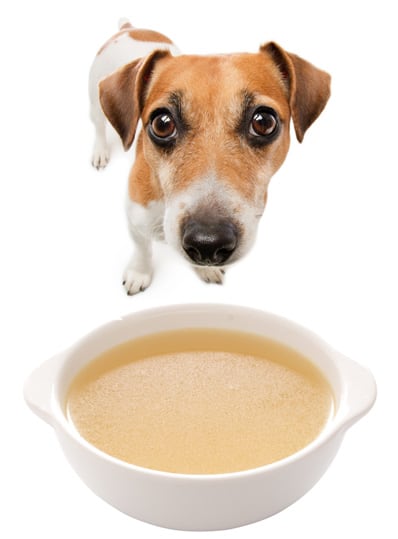
Bone broth is a fantastic addition to an arthritic dog’s diet. It contains collagen and other compounds that support joint health. To make this recipe, simmer bones (such as beef or chicken bones) in water for several hours. This slow-cooking process extracts the nutrients from the bones and creates a flavorful broth. Once the broth is ready, blend it with boiled vegetables like sweet potatoes, broccoli, and green beans to create a delicious and nutritious mash.
Homemade Anti-Inflammatory Meatballs
These meatballs are not only tasty but also rich in anti-inflammatory ingredients. In a mixing bowl, combine lean ground meat (such as turkey or lean beef), finely chopped spinach, grated carrots, and a sprinkle of turmeric. Turmeric is known for its anti-inflammatory properties and can help alleviate arthritis symptoms. Shape the mixture into small meatballs and bake them in the oven until cooked through. Your arthritic dog will love these homemade treats.
When preparing homemade meals for your dog, it’s essential to ensure they receive a balanced diet. Consult your veterinarian for specific recipes and guidance tailored to your dog’s nutritional needs. Homemade meals can be a great addition to their diet but should be used in conjunction with high-quality commercial dog food to ensure they receive all the necessary nutrients.

Additional Treatments for Arthritic Dogs
In addition to dietary changes, there are various treatment options available to help manage arthritis in dogs. One such option is stem cell therapy, which can be recommended for arthritic dogs in certain cases. Stem cell therapy involves using stem cells from the dog’s own body to regenerate and repair damaged tissues, providing significant relief and improving mobility.
Another approach to consider is exploring alternative treatments for arthritis in dogs. These treatments can include physical therapy, acupuncture, chiropractic care, and hydrotherapy. Each alternative treatment has its own benefits and can help alleviate arthritis pain and improve your dog’s quality of life.
Managing arthritis pain in dogs requires a comprehensive approach, and your veterinarian will be the best person to guide you through the available options. They will assess your dog’s specific condition and recommend suitable additional treatments to complement their diet and medication regimen.
It’s essential to consult with your vet to determine the most appropriate treatment plan for your arthritic dog. They will consider your dog’s individual needs and ensure that the chosen treatments are safe and effective for them. By exploring these additional treatment options, you can help your dog find relief from arthritis pain and improve their overall well-being.
Importance of Consulting Your Veterinarian
When it comes to making dietary changes for your arthritic dog, consulting your veterinarian is crucial. They are the experts who can provide personalized recommendations based on your dog’s specific needs and health conditions. Your vet is the best source of information and guidance for managing your dog’s arthritis.
Working with a vet for your dog’s diet ensures that you are making informed choices and taking into consideration any underlying health issues your dog may have. They can help you create a diet plan tailored to your dog’s unique needs, taking into account their age, breed, weight, and activity level.
A veterinarian can also recommend the best possible supplements to support your arthritic dog’s joint health. They have access to the latest research and can provide expert advice on the effectiveness and safety of various supplements.
It’s important to note that each dog is unique, and what works for one may not work for another. A vet can assess your dog’s specific condition and adjust their diet accordingly. They can also monitor your dog’s progress and make any necessary modifications to the diet plan.
Why Consultation with a Vet is Vital
Consulting a vet for arthritic dogs ensures that you are providing the best possible care for your furry friend. The expertise and knowledge of a veterinarian can make a significant difference in managing your dog’s arthritis symptoms and improving their overall well-being.
- Your vet can provide accurate diagnosis and confirm if your dog is suffering from arthritis, as there can be other conditions with similar symptoms.
- Veterinary recommendations for arthritis in dogs are based on scientific research and clinical experience, ensuring that you are making the right choices for your dog’s health.
- Working with a vet for your dog’s diet allows you to create an individualized plan that takes into account any other health conditions or medications your dog may be on.
- A vet can guide you on the appropriate weight management strategies for your arthritic dog, as maintaining a healthy weight is crucial in reducing joint stress.
- Regular consultations with a vet enable ongoing monitoring of your dog’s condition and adjustment of the treatment plan as needed.
Conclusion
Feeding your arthritic dog an anti-inflammatory diet is crucial for managing their arthritis symptoms and improving their overall well-being. By carefully selecting the right foods and avoiding inflammation-causing ingredients, you can help reduce pain and support their joint health.
It’s important to consult with your veterinarian to develop the best diet plan for your arthritic dog. They can provide personalized recommendations based on your dog’s specific needs and health conditions. Your veterinarian is an invaluable resource who can guide you in making informed decisions about your dog’s diet.
Remember, the best diet for arthritic dogs emphasizes anti-inflammatory foods such as those rich in omega-3 fatty acids, turmeric, green vegetables, and blueberries. Additionally, proper weight management plays a crucial role in minimizing joint stress, so it’s important to monitor your dog’s weight and work with your veterinarian to develop a weight loss plan if necessary. By taking these steps and working closely with your vet, you can provide the best possible care for your beloved arthritic dog.