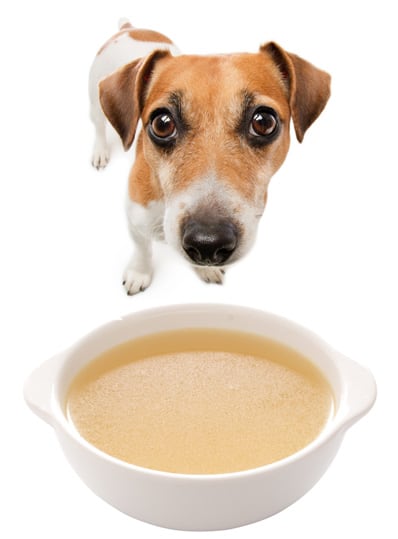

When it comes to choosing the best wet dog food for optimal health, there are several factors to consider. Wet dog food provides moisture and can be more palatable for dogs with dental issues or picky eaters. It comes in various forms such as cans, trays, pouches, and chub rolls, and is often blended and cooked before being vacuum-sealed. Wet foods also naturally contain more water than dry foods, making them a more “natural choice” for some dogs. However, it’s important to read labels, understand ingredient lists, and consider your dog’s specific dietary needs when selecting wet dog food.
Key Takeaways
- Consider wet dog food for dogs with dental issues or picky eaters.
- Read labels and understand ingredient lists.
- Choose wet dog food that meets your dog’s specific dietary needs.
- Wet dog food naturally contains more water than dry food.
- Take into account the various forms and packaging of wet dog food.
Understanding Different Types of Dog Food
When it comes to feeding your furry friend, there are various types of dog food available, each with its own advantages. By understanding the different options, you can make an informed decision that caters to your dog’s specific needs and preferences.
Dry Dog Food
One of the most popular and convenient options in the UK is dry dog food, also known as kibble. Dry dog food can be produced using different methods such as extruded, baked, cold-pressed, freeze-dried, or air-dried. These methods affect the texture, taste, and nutrient content of the food.
Wet Dog Food
Another type of dog food is wet dog food, which comes in cans, trays, pouches, and chub rolls. Wet dog food is known for its higher moisture content, providing hydration for dogs and making it more palatable for those with dental issues or picky eaters.
Raw Dog Food and Fresh Dog Food
In recent years, raw dog food and fresh dog food have gained popularity among dog owners. Raw dog food consists of uncooked meat, bones, and organs, while fresh dog food is made from minimally processed ingredients. Both options are considered more natural and closer to what dogs would eat in the wild.
Understanding the different types of dog food is crucial in selecting the right option for your furry friend. Consider their preferences, dietary requirements, and any specific health concerns. Consulting with your veterinarian can also provide valuable guidance in choosing the best dog food for your pet’s optimal health.
Decoding Ingredient Labels
When selecting wet dog food, it’s important to decode the ingredient labels to understand what you’re feeding your dog. The ingredient labels provide valuable information about the content of the dog food and can guide you in making a more informed choice for your dog’s optimal health.
One key aspect to consider is the meat content. Look for dog foods that list specific meat sources as the primary ingredients, such as chicken, lamb, or beef. These sources provide important protein and essential nutrients that are vital for your dog’s overall well-being.
Avoid dog foods that contain excessive amounts of fillers such as grains, corn, or soy. Fillers provide little nutritional value and can be hard for dogs to digest. Opt for dog foods that prioritize meat as the main component, as this ensures a more balanced and nourishing diet for your furry friend.
Another important factor to consider is the use of natural preservatives. Look for dog foods that utilize natural preservatives such as vitamin E or vitamin C. These natural alternatives help to keep the food fresh and safe for consumption, without the need for artificial additives like BHA, BHT, or ethoxyquin.
Understanding the ingredient labels empowers you to make choices that prioritize your dog’s health. By selecting wet dog food with high-quality meat content, minimal fillers, and natural preservatives, you can provide your beloved pet with the nutrition they need for optimal health and vitality.

Identifying Essential Nutrients
Dogs require a balanced diet that provides essential nutrients for dogs to support their optimal health and well-being. These essential nutrients include proteins, fats, and carbohydrates.
Proteins are vital for dogs as they aid in muscle development, repair tissues, and support overall health. Look for wet dog foods that contain high-quality, animal-based sources of protein such as chicken, turkey, or fish. These sources of protein provide the necessary amino acids that dogs need to thrive.
Fats are another essential nutrient for dogs. They play a crucial role in maintaining a shiny coat, healthy skin, and proper brain function. Wet dog foods that contain healthy fats, such as omega-3 and omega-6 fatty acids, can help support these aspects of your dog’s well-being. Sources like fish oil and flaxseed are rich in these beneficial fatty acids.
While dogs don’t require a high amount of carbohydrates in their diet, a moderate amount of whole grains or vegetables can provide them with the necessary energy. However, it’s important to note that not all carbohydrates are equal. Look for wet dog foods that include wholesome grains or vegetables as a source of carbohydrates, avoiding those that contain fillers or excessive amounts of processed carbohydrates.
Choosing wet dog food that offers these essential nutrients in appropriate proportions is crucial for maintaining your dog’s overall well-being. By providing a balanced diet that includes high-quality proteins, healthy fats, and moderate amounts of carbohydrates, you can support your dog’s optimal health and ensure they receive the nutrition they need for a happy and active life.
Addressing Allergies and Sensitivities
If your dog has specific allergies or sensitivities, it’s important to choose wet dog food that meets their dietary requirements. This is especially crucial as dog food allergies can cause discomfort and potentially harm your furry friend’s health.
When selecting wet dog food, look for hypoallergenic formulas that are free from common allergens such as wheat, soy, or dairy. These formulas are specially designed to minimize the risk of triggering allergic reactions. By choosing a hypoallergenic option, you can help alleviate your dog’s allergies and sensitivities, enhancing their overall well-being.
Additionally, considering a wet dog food with limited ingredient diets can be beneficial. These formulas feature a reduced number of carefully selected ingredients, making it easier to identify and avoid specific triggers that may cause allergies or sensitivities in your dog. Limited ingredient diets can offer peace of mind, ensuring that your dog’s food doesn’t contain any potential allergens.
Understanding Your Dog’s Allergies and Sensitivities
Identifying your dog’s allergies and sensitivities is an essential part of addressing their specific dietary needs. Keep an eye out for symptoms such as excessive scratching, digestive issues, or changes in skin/coat condition. If you suspect allergies or sensitivities, it’s best to consult your veterinarian for a proper diagnosis.

A veterinarian can help you determine the precise allergens and sensitivities affecting your dog. Armed with this knowledge, you can select the right wet dog food that avoids these triggers, promoting optimal health for your furry companion.
By addressing your dog’s allergies and sensitivities through appropriate wet dog food choices, you are taking a proactive step towards their optimal health and well-being.
Transitioning to a New Diet
When introducing a new dog food, it’s important to transition gradually to prevent digestive issues. Sudden changes to your dog’s diet can lead to upset stomachs and discomfort. To ensure a smooth transition, start by mixing a small portion of the new food with their current food. Over the course of a week or two, gradually increase the proportion of the new food.
This gradual transition allows your dog’s digestive system to adapt to the new diet without causing any digestive upset. It gives their body time to adjust to the new ingredients and ensures a smoother transition overall. By taking the time to transition to a new diet, you can prevent any unnecessary digestive issues and set your dog up for success with their new wet dog food.
Remember, every dog is different, and some may require a longer transition period. Pay attention to your dog’s individual needs and adjust the transitioning process accordingly. If you notice any signs of digestive issues, such as loose stools or vomiting, slow down the transition process and give your dog more time to adjust.
By prioritizing a gradual transition, you can help your dog comfortably switch to their new wet dog food and avoid any potential digestive issues. This careful approach ensures that your dog can fully benefit from the chosen wet dog food, promoting their optimal health and well-being.
Illustration: Transitioning to a new diet is a gradual process that helps prevent digestive issues for dogs.
Choosing the Right Dog Food for Optimal Health
Choosing the right wet dog food is crucial for ensuring your pet’s overall health and well-being. To make an informed decision, it is essential to read labels and understand the ingredients. Consider your dog’s specific dietary needs and preferences when selecting wet dog food. Reading labels allows you to identify the nutritional content and quality of the ingredients. Look for high-quality protein sources, such as real meat, as the primary ingredient. Avoid dog food that contains fillers or artificial additives.
Researching your options and comparing different brands can also help you choose the right dog food. Take the time to explore different wet dog food products, read reviews, and consider the opinions of other dog owners. Online dog food directories can provide valuable information and help you in the decision-making process.
Additionally, consulting with your veterinarian can provide valuable insights and recommendations based on your dog’s specific needs. Veterinarians have expertise in animal nutrition and can guide you in selecting the right dog food for optimal health. They can also offer advice on any dietary restrictions or concerns your dog may have.
Choosing the right dog food involves considering multiple factors and taking the time to research and evaluate available options. Prioritizing your dog’s optimal health requires reading labels, researching brands, and seeking professional guidance. By making an informed decision, you can provide your dog with a balanced and nutritious diet that supports their overall well-being.
- Read labels and understand the ingredients
- Consider your dog’s specific dietary needs
- Research different brands and compare options
- Consult with your veterinarian for expert advice
Best Wet Dog Foods
With numerous wet dog foods available in the market, finding the best options for your furry friend can be overwhelming. Fortunately, there are online resources that provide wet dog food reviews and rankings, which can help you make a more informed decision.
These comprehensive lists showcase the top-rated wet dog foods based on factors such as high-quality ingredients, nutritional value, and positive customer reviews. By consulting these reviews and rankings, you can gain valuable insights and find a starting point in your search for the best wet dog food for your canine companion’s optimal health.
In addition to considering the reviews and ratings, it’s important to assess your dog’s specific needs and preferences. Every dog is unique, so what works for one may not work for another. Take into account factors such as your dog’s age, breed, size, activity level, and any dietary restrictions or sensitivities they may have.
By incorporating these considerations with the guidance provided by the wet dog food reviews and rankings, you’ll be able to narrow down your options and select the best wet dog food that suits your pet’s specific requirements. Ensuring they receive the highest quality nutrition serves as the foundation for their overall health and well-being.
Remember that finding the best wet dog food may involve a trial-and-error process. It’s crucial to monitor your dog’s response to the selected wet dog food and make adjustments as necessary. Consult your veterinarian if you have any concerns or questions along the way.
Best Wet Dog Foods for Specific Needs
Different dogs have different needs, and there are wet dog foods specifically formulated for puppies, senior dogs, dogs with allergies, and dogs that need to lose weight. These specialized wet dog foods often have nutritional profiles tailored to support the specific needs of these dogs. If your dog falls into one of these categories, considering wet dog foods designed for their specific needs can be beneficial for their optimal health.
Wet Dog Food for Puppies
For puppies, it’s essential to choose a wet dog food that provides the right balance of nutrients for their growing bodies. Look for puppy formulas that are high in protein and contain essential vitamins and minerals to support their development. Brands like Royal Canin, Hill’s Science Diet, and Merrick offer wet dog foods specifically formulated for puppies, ensuring they get everything they need to thrive.
Wet Dog Food for Senior Dogs
As dogs age, their nutritional needs change. Senior dogs may require wet dog foods that are lower in calories and higher in joint-supporting ingredients like glucosamine and chondroitin. Look for brands like Wellness CORE, Blue Buffalo, and Nutro that offer wet dog food options specially formulated for senior dogs, promoting their overall health and vitality in their golden years.
Wet Dog Food for Allergies
Dogs with allergies often benefit from wet dog foods that are free from common allergens like wheat, soy, and dairy. Brands like Canidae, Natural Balance, and Taste of the Wild offer wet dog food formulas that are hypoallergenic, using alternative protein sources like venison, duck, or fish to reduce the risk of triggering allergic reactions.
Wet Dog Food for Weight Loss
For dogs that need to shed some pounds, wet dog foods that are lower in calories and higher in fiber can help with weight loss. Look for weight management formulas from brands like Royal Canin Veterinary Diet, Hill’s Prescription Diet, and Purina Pro Plan that are designed to support healthy weight management while still providing the necessary nutrients for optimal health.
Remember, consulting with your veterinarian is always recommended when selecting wet dog foods for specific needs, as they can provide valuable guidance based on your dog’s unique requirements.

Feeding Tips and Recommendations
When it comes to feeding your dog wet dog food for optimal health, there are some general tips and recommendations to keep in mind. Follow the feeding guidelines provided by the manufacturer on the packaging, as they can vary depending on the brand and the specific wet dog food.
Consider your dog’s age, size, activity level, and any specific dietary requirements when determining portion sizes. It’s important to provide your dog with the right amount of food to maintain a healthy weight and meet their nutritional needs. Overfeeding can lead to weight gain and its associated health problems, while underfeeding can result in nutritional deficiencies.
Establishing a regular feeding schedule is also essential. Dogs thrive on routine, so try to feed them at the same time each day. This consistency helps regulate their digestion and can prevent begging or excessive scavenging. Avoid free-feeding, where food is constantly available to your dog, as this can lead to overeating and disrupt their natural eating habits.
Lastly, consult with your veterinarian for personalized guidance on the best feeding practices for your dog’s optimal health. They can take into account your dog’s specific needs, such as any health conditions or allergies, and provide recommendations tailored to them. By following these feeding tips and recommendations, you can ensure that your dog receives the right amount of wet dog food for their overall well-being.
Conclusion
Choosing the best wet dog food for optimal health is a crucial decision that directly impacts your dog’s overall well-being. By considering factors such as the type of dog food, ingredient labels, essential nutrients, allergies and sensitivities, and the transition to a new diet, you can ensure that your dog receives the nourishment they need for optimal health and vitality.
Selecting wet dog food that meets your dog’s specific needs is essential. Wet dog food provides benefits such as added moisture and palatability, making it a great choice for dogs with dental issues or picky eaters. The natural water content of wet dog food also makes it a more “natural choice” for many dogs.
When choosing wet dog food, read labels carefully to understand the ingredients and look for specific meat sources as primary ingredients. Avoid dog foods with excessive grains, fillers, and artificial additives. Opt for wet dog food that uses natural preservatives and provides essential nutrients like proteins, fats, and carbohydrates. Moreover, take your dog’s allergies and sensitivities into account, and choose hypoallergenic formulas or limited ingredient diets if necessary.
Remember to consult resources such as wet dog food reviews and rankings to help guide your decision-making process. By making informed choices and selecting the best wet dog food for your furry friend, you can promote their optimal health and ensure they live a happy and healthy life.