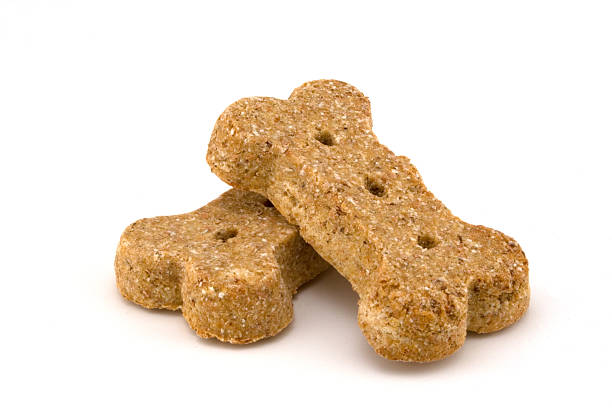

If your dog has been diagnosed with diabetes, it’s important to provide them with a specialized diet to manage their condition. Diabetic dog food options are designed to control glucose levels and support the health of diabetic dogs. These diets are low in sugar and provide the necessary nutrients and energy for your pet’s well-being. By choosing the right diabetic dog food, you can help your dog live a healthy and happy life.
Key Takeaways:
- Canine diabetes diet is essential for managing your dog’s condition.
- Diabetic dog food options are low in sugar to control glucose levels.
- Choosing the right diabetic dog food is vital for your pet’s well-being.
- Veterinarian-approved brands ensure the safety and effectiveness of the diet.
- Regular blood glucose monitoring and insulin administration are crucial for diabetic dog care.
Benefits of Diabetic Dog Food
Diabetic dog food provides numerous benefits for dogs with diabetes. These specially formulated diets play a crucial role in controlling glucose levels and maintaining stable blood sugar levels for diabetic dogs. By choosing high-fiber dog food for diabetes, you can help regulate the absorption of glucose and prevent spikes in blood sugar. This high-fiber content promotes satiety and assists in weight management, which is vital for diabetic dogs. Offering glucose control dog food ensures that your dog receives the necessary support to manage their diabetic condition effectively.
To better understand the advantages of diabetic dog food, let’s delve into the two key benefits:
1. Glucose Control
Glucose control dog food is designed to keep a diabetic dog’s blood sugar levels stable. These diets typically contain carefully selected ingredients that help regulate glucose absorption and prevent drastic fluctuations. The high-fiber content in these specialized dog foods slows down the rate at which glucose is absorbed by the body, resulting in more controlled blood sugar levels. This control is essential for managing diabetes and preventing the negative consequences associated with blood sugar imbalances.
2. Weight Management
Obesity and weight gain can exacerbate the symptoms of diabetes in dogs. High-fiber dog food for diabetes can help manage weight by promoting satiety and reducing overeating. The added fiber content in these specialized diets helps dogs feel fuller for longer, reducing the tendency to overeat. By maintaining a healthy weight, diabetic dogs face a reduced risk of complications and can enjoy improved overall health and well-being.
Overall, the benefits of diabetic dog food are clear. These specialized diets support glucose control, prevent spikes in blood sugar levels, and aid in weight management. By providing your diabetic dog with the right nutrition, you can ensure their health and happiness. Consult with your vet to determine which glucose control dog food and high-fiber dog food for diabetes best suits your dog’s dietary needs.
Vet-Approved Diabetic Dog Food
When it comes to selecting diabetic dog food, it’s vital to choose products that have received the stamp of approval from veterinarians. Vet-approved diabetic dog food brands have undergone rigorous testing to ensure they meet the nutritional requirements of dogs with diabetes. These brands possess the necessary certifications and endorsements from veterinary professionals, giving you peace of mind that you are providing your furry friend with a safe and effective diet.
Consulting with your vet and opting for vet-approved diabetic dog food is the best way to prioritize your dog’s health and well-being. By following your veterinarian’s recommendations, you can rest assured that you are selecting a diet that is specifically tailored to the needs of your diabetic dog.
Choosing vet-approved diabetic dog food provides numerous advantages. These brands have been carefully developed to provide the right balance of nutrients, ensuring that your dog receives all the necessary vitamins, minerals, and energy they need to thrive. By feeding your dog vet-approved diabetic dog food, you can optimize their overall health and support the management of their diabetes.
Glucose Monitoring for Diabetic Dogs
Successfully managing your diabetic dog’s condition requires regular monitoring of their blood glucose levels. Utilizing blood glucose monitoring kits can help ensure that their blood sugar levels stay within a healthy range. These kits are designed to assist pet owners in measuring their dog’s blood glucose levels conveniently at home.
One important component of blood glucose monitoring kits is the inclusion of reagent strips, which are used to test your dog’s blood. These strips allow you to obtain accurate readings of their glucose levels, giving you valuable information to adjust their diet and insulin dosage accordingly.
Regularly monitoring your diabetic dog’s blood glucose levels is essential for maintaining optimal glucose control. By understanding their glucose levels, you can make informed decisions about their care and help prevent any potential complications related to their diabetes.
When using blood glucose monitoring kits, it is recommended to follow the instructions provided by the manufacturer and consult your veterinarian for guidance. They can provide valuable insights into the frequency of testing and the target glucose levels for your diabetic dog.
By incorporating regular blood glucose monitoring into your routine, you can gain a deeper understanding of your dog’s diabetes management and ensure they receive the care they need to lead a healthy and happy life.
Insulin Administration for Diabetic Dogs
Dogs with diabetes often require insulin injections to manage their condition. To administer insulin, two common options are VetPens and syringes.
VetPens are convenient and easy-to-use devices designed to make insulin administration more straightforward for pet owners. These pens deliver the required dose of insulin with precision, making it simpler to provide the necessary care for diabetic dogs.
On the other hand, syringes are traditional tools for insulin injection. They come in various sizes, allowing for accurate dosing based on your veterinarian’s instructions. When using syringes, ensuring proper technique and handling is crucial to administer insulin effectively.

When managing your dog’s diabetes, your veterinarian will guide you on the best method and technique for insulin administration. They will provide instructions on dosing, site selection (usually on your dog’s body), and any other specific considerations to ensure your diabetic dog receives the appropriate amount of insulin.
By working closely with your veterinarian and following their guidance, you can confidently and safely administer insulin to your diabetic dog to help manage their condition.
Special Considerations for Diabetic Dog Treats
While it’s important to regulate your dog’s diet to manage their diabetes, you may still want to provide them with treats occasionally. However, it’s crucial to choose diabetic-friendly dog treats that won’t cause spikes in blood sugar. These treats are specially formulated to be low in sugar and carbohydrates, making them a safe option for diabetic dogs. Always consult with your vet before introducing any new treats into your dog’s diet.
When selecting treats for your diabetic dog, prioritize those that are specifically labeled as “diabetic-friendly.” These treats are carefully crafted to ensure they don’t disrupt your dog’s blood sugar levels. They are usually low in sugar, carbohydrates, and artificial additives, reducing the risk of any adverse effects.
Diabetic-friendly dog treats often contain wholesome ingredients that provide essential nutrients without compromising taste. They may incorporate natural sweeteners such as stevia or natural flavors to enhance palatability. Always check the ingredients list to ensure that the treats align with your dog’s dietary requirements.
It’s important to note that even though these treats are formulated to be diabetes-friendly, moderation is key. Treats should only make up a small portion of your dog’s overall diet. Too many treats, even the diabetic-friendly ones, can still affect your dog’s blood sugar levels. Stick to the recommended serving size provided on the packaging and consider them as occasional rewards rather than daily indulgences.
Before introducing any new treats into your diabetic dog’s diet, consult with your veterinarian. They can assess your dog’s specific needs and recommend the most suitable options. Your vet may also provide guidelines on the number of treats your dog can have per day or per week, keeping their overall health and diabetes management in mind.
Importance of Animal Size in Diabetic Dog Food Selection
When choosing the right diabetic dog food for your furry friend, it’s vital to take their size into consideration. Just like different dog breeds have unique characteristics, they also have different nutritional requirements, and this holds true for dogs with diabetes as well. It’s crucial to provide them with diabetic dog food formulated specifically for their size.

Diabetic dog food comes in various formulas tailored to accommodate different animal sizes. Whether you have a small Chihuahua or a large Great Dane, there are options available to meet their specific nutritional needs. These specially formulated diets ensure that your dog receives adequate nutrition to support their overall health and manage their diabetic condition.
The right food for your dog’s size plays a significant role in their well-being. Small dogs have different metabolic rates and energy requirements compared to larger breeds. Therefore, selecting the appropriate dog food is essential to provide them with the right balance of nutrients, helping them maintain a healthy weight and optimal glucose control.
Benefits of Choosing the Right Food for Your Dog’s Size
- Optimal Nutritional Balance: Diabetic dog food formulated for your dog’s size ensures they receive the right balance of nutrients, vitamins, and minerals for their specific needs. This helps support their overall health and well-being.
- Weight Management: Dogs with diabetes often need to manage their weight to prevent complications. Choosing the right food for your dog’s size can help you control their calorie intake and maintain a healthy body weight.
- Energy Levels: Diabetic dog food tailored to your dog’s size provides them with the necessary energy to stay active and engage in regular physical activity. This is important for their overall fitness and mental stimulation.
Consulting with your veterinarian is crucial when selecting diabetic dog food for your furry companion. They can provide personalized recommendations based on your dog’s size, health condition, and individual needs. Remember, the key to managing your dog’s diabetes lies in their nutrition, and choosing the right food for their size is an essential part of their care.
Wet Food for Diabetic Dogs
For diabetic dogs, wet food can be an excellent choice due to its higher moisture content, which helps with hydration. Additionally, wet food often contains a balanced mix of nutrients that can support your dog’s overall health. When selecting wet food for your diabetic dog, it’s important to consider the pack size and weight, ensuring you choose the appropriate portion size for your pet.
Different brands offer wet food in various pack sizes, allowing you to select the one that meets your dog’s specific needs. It’s crucial to follow your veterinarian’s advice regarding portion sizes as they can best determine the amount of wet food that will provide optimal nutrition for your diabetic dog.
Benefits of Wet Food for Diabetic Dogs
- Higher Moisture Content: Wet food typically has a higher moisture content, which can help keep your dog hydrated, especially if they have a decreased fluid intake due to their diabetes.
- Improved Palatability: Many dogs find wet food more appealing than dry food, which can be especially helpful if your diabetic dog has a reduced appetite or is a picky eater.
- Controlled Portion Sizes: With wet food, you can easily measure the exact portion size for your dog, ensuring they receive the right amount of food for their nutritional needs.
- Soft and Easy to Eat: Wet food is softer and easier for dogs to chew and digest, making it a suitable option for dogs with dental issues or difficulty eating.
It’s important to note that wet food may have a shorter shelf life once opened compared to dry food, so be sure to check the expiration date and store it properly to maintain its freshness and nutritional value.
Tips for Feeding Wet Food to Diabetic Dogs
- Consistency: Keep your dog’s feeding routine consistent by feeding them wet food at the same times each day. This can help regulate their blood sugar levels and manage their diabetes more effectively.
- Gradual Transition: If you’re switching your diabetic dog from dry food to wet food, it’s important to do so gradually to prevent digestive upset. Mix small amounts of wet food with their existing dry food, gradually increasing the proportion of wet food over time.
- Monitoring: Regularly monitor your dog’s weight, appetite, and blood glucose levels to ensure they are responding well to the wet food. If any concerns arise, consult your veterinarian for further guidance.
By selecting the right wet food pack size and weight for your diabetic dog and following your veterinarian’s advice, you can provide them with a balanced and nutritious diet to support their overall well-being.
Dry Food for Diabetic Dogs
Dry food can also be a suitable option for diabetic dogs, especially if your dog prefers crunchy kibble. Unlike wet food, dry food offers a convenient and long-lasting option for diabetic dogs. When selecting dry food for your furry friend, consider the pack size and weight to ensure you have the appropriate portion for your dog’s needs. Different brands offer a variety of pack sizes, allowing you to choose the right amount of food for your diabetic dog.
Following your veterinarian’s guidance on portion sizes is crucial to ensure your diabetic dog receives the necessary nutrition. As with any dog food, it’s important to check the label and ingredients to ensure the dry food meets the dietary requirements for diabetic dogs. Consult with your vet to determine the best dry food option for your furry friend.
Benefits of Dry Food for Diabetic Dogs:
- Convenience: Dry food is easy to store and can be left out for longer periods without spoiling.
- Dental Health: Crunchy kibble can help maintain dental health by reducing tartar and promoting chewing.
- Variety: Dry food comes in a wide range of flavors, allowing you to cater to your dog’s preferences.
Remember, always consult your vet for personalized advice and recommendations when choosing the right dry food for your diabetic dog. Prioritize the health and well-being of your furry friend by providing them with a balanced and nutritious diet.

Choosing the Right Flavour for Diabetic Dogs
Dogs, like humans, have different preferences when it comes to food flavours. When choosing diabetic dog food, consider the various flavour options available. Different brands offer a variety of flavours, such as chicken, beef, and fish. By selecting a flavour that your dog enjoys, you can make mealtime more enjoyable for them. However, it’s essential to ensure that the chosen flavour is suitable for diabetic dogs and aligns with their dietary needs.
Diabetic dogs can still enjoy delicious meals with their specific dietary requirements. Just as humans have taste preferences, dogs also have their favourite flavours. When selecting diabetic dog food, it’s important to consider the various flavour options available. Different brands offer a range of flavours, such as chicken, beef, and fish, allowing you to choose the one that your dog enjoys the most.
By offering a flavour that your dog loves, you not only make their mealtime more enjoyable but also increase their appetite, ensuring they get the necessary nutrition. Dogs with diabetes might have specific dietary needs and restrictions, so it’s crucial to verify that the chosen flavour is suitable for diabetic dogs.
Remember, diabetic dog food options are designed to control glucose levels and support the health of diabetic dogs. While flavours add variety and appeal to their meals, it’s crucial to prioritize their dietary requirements above all else. Consult with your veterinarian to find the perfect flavour that meets your dog’s needs and tastes, ensuring their well-being and happiness.
Diabetic Dog Food and Animal Lifestage
Just like humans, dogs go through different life stages, including puppyhood, adulthood, and their senior years. It’s essential to consider your diabetic dog’s animal lifestage when selecting appropriate diabetic dog food. Different brands offer specific formulas tailored to each life stage, ensuring that your dog receives the right nutrients for their age and condition.
For puppies with diabetes, there are specially formulated diabetic dog foods that support their growth and development. These foods provide the necessary nutrients for their young bodies while managing their glucose levels. It’s important to consult with your veterinarian to determine the best food options for your diabetic puppy.
Adult dogs with diabetes require diabetic dog food that meets their specific nutritional needs. The food should provide a balanced diet to control their blood sugar levels while supporting their overall health. Diabetic dog food for adults often contains essential vitamins, minerals, and carefully selected ingredients to promote well-being.
Senior dogs with diabetes have unique dietary requirements. Their bodies may require certain nutrients to support aging joints and manage age-related conditions. Diabetic dog food formulated for senior dogs takes these factors into account and ensures that your dog receives the necessary support in their golden years.
When choosing diabetic dog food, read the labels carefully to ensure suitability for your dog’s lifestage. Look for phrases such as “for puppies” or “for adult/senior dogs” to determine if the food is appropriate for your diabetic dog’s age. Consulting with your veterinarian is always recommended to ensure you select the right diabetic dog food that aligns with your dog’s lifestage and health needs.
Providing your diabetic dog with diabetic dog food tailored to their lifestage is important for their overall health and well-being. By choosing age-appropriate formulas, you can ensure that your dog receives the necessary nutrients and support to manage their diabetes effectively.
Continue reading: Diabetic Dog Food Options.
Summary and Conclusion
In summary, providing your diabetic dog with a specialized diet is crucial for their health and well-being. By choosing vet-approved diabetic dog food options, you can ensure that your furry friend receives the best care and nutrition. These specially formulated diets are designed to control glucose levels and support the overall health of diabetic dogs.
Monitoring your dog’s blood glucose levels is essential for managing their diabetes effectively. Regularly checking their levels using blood glucose monitoring kits and adjusting their diet and insulin dosage accordingly will help maintain stable blood sugar levels.
Administering insulin properly is another important aspect of caring for diabetic dogs. Whether you use VetPens or syringes, working closely with your veterinarian and learning the correct technique is crucial for the well-being of your furry companion.
Additionally, considering special considerations such as treats, animal size, and lifestage will contribute to the overall success of managing diabetes in your dog. Consulting with your vet for personalized advice and recommendations on the best dog food for diabetic dogs is always recommended.