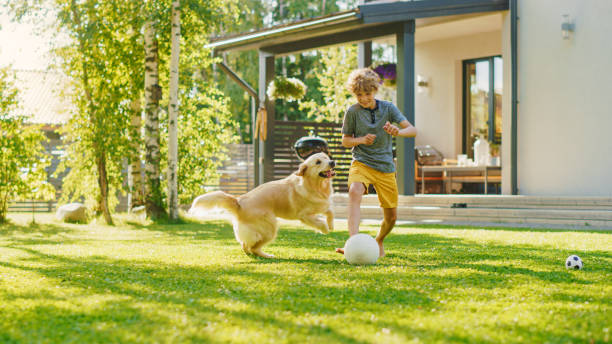

The Benefits of Brain Games for Dogs
Types of Brain Games for Dogs
How to Incorporate Brain Games into Playtime
Training Tips for Brain Games
The Importance of Mental Stimulation for Dogs
Recommendations for Brain Games with Multiple Dogs
Recommended Brain Training Toys for Dogs
How Much Mental Stimulation Does a Dog Need?
Conclusion
It’s important to exercise your dog’s brain in addition to their physical exercise.
Brain games are especially beneficial for dogs who can’t do as much physical exercise, such as older dogs or those recovering from an operation.
These games can also help build self-confidence in puppies.
Brain games keep dogs engaged and prevent them from becoming bored or developing unwanted habits.
Food-based games are a great way to stimulate their brains and can be easily incorporated into their daily routine.
Key Takeaways:
- Dog brain training toys provide mental stimulation and prevent boredom.
- Brain games improve problem-solving, concentration, and memory skills in dogs.
- Types of brain games include interactive food games, puzzle feeders, activity toys, and toy stuffing.
- Incorporate brain games into playtime by hiding food for dogs to find and using food puzzles or homemade toys.
- Use positive reinforcement and gradual difficulty when training dogs for brain games.
- Mental stimulation is important for preventing unwanted behaviors in dogs.
- When playing brain games with multiple dogs, provide individual attention and supervision to prevent possessive behavior.
- Recommended brain training toys for dogs include puzzle toys and treat-dispensing toys.
- The amount of mental stimulation a dog needs varies based on their energy level and breed.
The Benefits of Brain Games for Dogs
Brain games for dogs offer numerous benefits. They provide mental stimulation and promote cognitive development, enhancing a dog’s problem-solving, concentration, and memory skills. By engaging in brain games, dogs are able to exercise their minds and fulfill their natural curiosity and cleverness.
One of the key benefits of brain games is the improvement of mental stimulation for dogs. Just like physical exercise is essential for a dog’s overall well-being, providing mental exercise is equally important. Brain games challenge dogs to think, work through problems, and use their intelligence.
Through these games, dogs develop enhanced problem-solving skills, enabling them to find solutions and overcome obstacles. This mental exercise encourages the dog’s cognitive development and helps them develop a stronger ability to focus and concentrate.
Engaging in brain games can also have positive effects on a dog’s mood and behavior. Dogs who participate in brain games often display increased happiness and contentment. The mental stimulation provided by these games can alleviate boredom and prevent the development of unwanted behaviors that can arise from pent-up energy and lack of mental engagement. As a result, brain games can significantly contribute to a dog’s overall well-being and mental health.
In addition to the benefits mentioned above, brain games can also help improve a dog’s sleep routine. Challenging their minds during playtime can tire dogs out, promoting better sleep quality and duration. Dogs who engage in brain games are more likely to experience restful sleep, allowing them to wake up refreshed and ready for the day.
Overall, brain games are an excellent way to provide mental exercise and fulfillment for dogs. These games offer a range of benefits, including improved mental stimulation, enhanced cognitive development, positive mood and behavior, and better sleep. Incorporating brain games into a dog’s routine is a fun and effective way to keep them mentally engaged and satisfied.
Types of Brain Games for Dogs
There are various types of brain games that you can play with your dog to provide mental stimulation and keep them engaged. These games not only entertain your furry friend but also allow them to exercise their problem-solving skills and instincts. In this section, we will explore some popular types of brain games for dogs.
Interactive Food Games
One type of brain game that dogs love is interactive food games. These games involve feeding your dog in a way that stimulates their natural foraging instincts. Scatter feeding, for example, involves scattering their food around the garden or a specific area of the house. This encourages dogs to use their sense of smell and search for their food, mimicking their natural hunting behaviors.

Puzzle Feeders
Puzzle feeders are another great way to challenge your dog’s brain. These are toys or devices that require dogs to solve puzzles to access their food. The food is hidden inside the puzzle feeder, and dogs have to figure out how to manipulate the toy to release the food. This not only provides mental stimulation but also ensures that dogs work for their food, preventing them from gobbling it down too quickly.
Activity Toys
Activity toys, such as KONGs, are designed to engage your dog both mentally and physically. These toys are typically made of durable rubber and have hollow centers where you can stuff treats or kibble. Dogs have to figure out how to get the food out by rolling, chewing, or manipulating the toy. This provides both mental stimulation and physical exercise, as dogs must use their problem-solving skills to access the food.
Toy Stuffing
Another brain game that dogs enjoy is toy stuffing. This involves filling a toy with food, such as a KONG, and challenging your dog to retrieve the food. Dogs have to use their paws and mouths to manipulate the toy and extract the tasty treats hidden inside. Toy stuffing not only engages their brains but also satisfies their natural instincts to chew and explore.
Brain Games for Multiple Dogs
Brain games can also be adapted for multiple dogs, allowing them to engage their brains together. However, it’s important to supervise the dogs during play to prevent any possessive behavior. You can set up interactive food games where the dogs search for their food together or use puzzle feeders and activity toys that can accommodate multiple dogs. By providing brain games for multiple dogs, you promote mental stimulation and bonding between your furry friends.
How to Incorporate Brain Games into Playtime
Playing brain games with your dog is a fun and effective way to stimulate their mind and make playtime more engaging. Incorporating brain games into your dog’s playtime routine can provide mental stimulation and prevent boredom. Here are some creative ways to engage your dog’s brain:
- Scatter Feeding: Scatter your dog’s food on the floor or in the garden, encouraging them to use their nose to search and find it. This not only engages their brain but also taps into their natural foraging instincts. It’s a simple game that can be played indoors or outdoors.
- Food Puzzles: Food puzzles are a fantastic way to challenge your dog’s problem-solving skills. These puzzles require your dog to figure out how to access the food by manipulating different parts of the puzzle. There are various types of food puzzles available that cater to different skill levels.
- Homemade Toys: Get creative and make homemade toys for your dog. Consider creating a destruction box filled with safe items for your dog to tear up and search for food. This not only engages their brain but also provides them with an outlet for their natural chewing instincts.
By incorporating brain games like scatter feeding, food puzzles, and homemade toys, you can provide mental stimulation and make playtime more interesting for your dog. Remember to supervise your dog during playtime and choose brain games that are appropriate for their skill level and individual needs.
Having a visual representation of the brain games can help you better understand how to incorporate them into your dog’s playtime routine. The image above illustrates the concept of incorporating brain games into playtime, making it easier for you to visualize and apply these ideas with your furry friend.
Training Tips for Brain Games
When it comes to playing brain games with your dog, there are a few training tips that can help create a positive and enjoyable experience for both of you. These tips include teaching dogs new tricks using positive reinforcement, gradually increasing the difficulty level, providing supervision during play, and considering the individual needs of your dog when choosing brain games.
Teaching Dogs New Tricks: Dogs love to learn and show off their skills, so taking the time to teach them new tricks is a great way to engage their brains. Start with easy tricks such as sit or stay, and reward them with praise and treats when they successfully perform the desired behavior. As their confidence grows, you can introduce more challenging tricks, such as fetching specific items or doing agility exercises, to keep their minds sharp and active.
Positive Reinforcement: Positive reinforcement is key to successful training. Use treats, praise, and affection to reward your dog for their efforts and good behavior during brain games. This positive reinforcement builds a strong bond between you and your dog and motivates them to continue learning and participating in brain games.
Gradual Difficulty: When playing brain games, it’s important to start with easier challenges and gradually increase the difficulty as your dog becomes more adept. This allows them to build their problem-solving skills and confidence over time. By starting with tasks they can easily accomplish and gradually introducing more complex challenges, you’ll keep your dog engaged and excited about playing brain games.
Supervision During Play: While it’s important to give your dog independence during brain games, it’s crucial to provide supervision to ensure their safety. Keep an eye on them to prevent them from chewing or swallowing any harmful items that may be involved in the game. Supervision also allows you to intervene if any possessive behavior arises, especially when playing brain games with multiple dogs.
Consider Individual Needs: Every dog is unique, so it’s essential to consider their skill level, energy level, and individual needs when choosing brain games for them. Some dogs may prefer food-based games, while others may enjoy solving puzzles or interacting with specific toys. Understanding your dog’s preferences and abilities will help you select brain games that are most appropriate and engaging for them.
<!–
Training Tips for Brain Games Table:
–>
By following these training tips for brain games, you can enhance your dog’s mental stimulation and enjoyment during playtime. Incorporating positive reinforcement, gradually increasing difficulty, providing supervision, and considering individual needs ensures a rewarding experience for both you and your furry friend.
The Importance of Mental Stimulation for Dogs
Research has shown that dogs are capable of more than we often give them credit for. They can read human faces, develop counting skills, and understand concepts like object permanence. Dogs, like humans, need mental stimulation to keep their brains active and engaged.
When dogs don’t receive enough mental stimulation, they may become bored and exhibit unwanted behaviors. Boredom can lead to destructive chewing, excessive barking, or even aggression. Just like humans, dogs need activities that challenge them and keep their minds occupied.
Providing mental stimulation through brain games, puzzle toys, and interactive activities is essential to prevent boredom and unwanted behaviors. These activities give dogs an outlet for their energy and intelligence, helping them stay mentally and physically healthy. They provide a way for dogs to use their natural instincts and problem-solving skills, which are crucial for their overall well-being.
The Link Between Mental Stimulation and Dog Behavior
Mental stimulation plays a vital role in shaping a dog’s behavior. When dogs are mentally stimulated, they are less likely to exhibit unwanted behaviors like excessive barking, separation anxiety, or destructive chewing. Mental exercise can tire a dog out just as much as physical exercise. By challenging their minds, we can help prevent boredom and the subsequent development of negative behaviors.
Interactive toys and brain games are excellent tools for providing mental stimulation to dogs. These toys encourage problem-solving, concentration, and memory skills, allowing dogs to use their intelligence and fulfill their mental needs. They help keep dogs engaged and prevent them from seeking their own entertainment, which may result in destructive behaviors.
In addition to preventing unwanted behaviors, mental stimulation has a positive impact on a dog’s overall well-being. When dogs are mentally stimulated, they are happier, more content, and less prone to stress and anxiety. Mental exercise provides them with a sense of accomplishment and satisfaction.
By incorporating mental stimulation into our dogs’ daily routine, we can enhance their quality of life and strengthen our bond with them. So, let’s get creative and provide our furry friends with the mental challenges they need to thrive!
Recommendations for Brain Games with Multiple Dogs
When playing brain games with multiple dogs, it’s essential to prevent possessive behavior and ensure a positive play experience for all. One effective way to do this is by separating the dogs during playtime, allowing each one to enjoy the games without feeling the need to compete for resources or attention. This helps prevent possessive behavior and promotes a harmonious environment.
Providing individual attention to each dog is also crucial. Giving each dog their own space and dedicated time ensures that they feel included and valued during play. This individual attention helps prevent feelings of rivalry or jealousy and promotes a sense of fairness among the dogs.
Another important aspect is supervision during play. Keeping a close eye on the dogs allows you to intervene if any possessive behavior or aggression arises. Supervision also ensures that the games are played safely and that all dogs are treated fairly. As a responsible pet owner, it is your responsibility to create a safe and positive play experience for all dogs involved.
By implementing these recommendations, you can create an enjoyable and inclusive environment for brain games with multiple dogs. Remember, preventing possessive behavior, providing individual attention, and supervising play are key to fostering a fun and harmonious experience.

Recommended Brain Training Toys for Dogs
When it comes to providing mental stimulation for your furry friend, there are numerous brain training toys available for dogs. These toys are designed to challenge their intellect and keep them mentally engaged, promoting a happy and healthy lifestyle. Here are some recommended brain training toys that can provide your dog with the mental stimulation they need:
Puzzle Toys
Puzzle toys are a fantastic way to engage your dog’s brain. These toys typically involve hiding treats or kibble inside compartments that your dog has to figure out how to open. The challenge of solving the puzzle keeps them entertained and stimulates their problem-solving skills. One popular example of puzzle toys is the Pewwt Dog Puzzle Toys.
Treat-Dispensing Toys
Treat-dispensing toys are another excellent option for mental stimulation. These toys require your dog to work for their treats. As they play with the toy, treats are gradually dispensed, keeping them engaged and mentally focused. The Zellar Treat Dispensing Dog Toy is a highly recommended treat-dispensing toy that dogs love.
Interactive Toys
Interactive toys provide a combination of mental and physical stimulation for dogs. These toys often require your furry companion to actively engage with them, solving puzzles or manipulating the toy to receive a reward. They are a great way to keep your dog entertained and mentally sharp. Examples of interactive toys include the KONG Classic Dog Toy and the Outward Hound Hide-A-Squirrel Puzzle Plush Dog Toy.
By incorporating these recommended brain training toys into your dog’s playtime routine, you can provide them with the mental stimulation they need to thrive. These toys will keep them entertained, engaged, and happy, ensuring that they lead a fulfilling life.
How Much Mental Stimulation Does a Dog Need?
Dogs require a certain amount of mental stimulation to keep their minds active and engaged. The specific amount can vary depending on individual needs, energy levels, and breed characteristics. In general, it is recommended that dogs have at least 30 minutes of playtime each day to provide adequate mental stimulation.
It is beneficial to split this playtime into two 15-minute sessions to ensure regular and consistent mental exercise. By dedicating time each day to engage your dog’s brain, you can help prevent boredom and unwanted behaviors.
However, it is essential to remember that every dog is unique, and their mental stimulation needs may vary. Some dogs may require more playtime and mental exercise to keep them satisfied, especially high-energy breeds. These breeds thrive on activities that challenge their minds and tire them out.
On the other hand, smaller breeds or dogs with lower energy levels may need slightly less mental stimulation. It’s important to observe your dog’s behavior and adjust their mental exercise routine accordingly.
By providing the appropriate amount of mental stimulation for your dog’s individual needs, you can ensure they lead a fulfilling and balanced life. Engaging their minds through playtime and various brain games will help keep them happy, healthy, and mentally sharp.
Introducing brain training toys into your dog’s playtime routine is a great way to provide mental stimulation. These toys, such as puzzle toys and interactive toys, challenge dogs to problem-solve and think. They encourage dogs to use their intelligence, enhancing their cognitive abilities and fulfilling their mental needs.
Remember to choose brain training toys that are appropriate for your dog’s size, breed, and skill level. High-energy breeds may benefit from more complex toys that require advanced problem-solving skills, while smaller breeds may enjoy simpler games.
In conclusion, by incorporating adequate mental stimulation into your dog’s daily routine, you can provide them with the necessary brain exercise they need to thrive. Whether it’s through playtime, brain games, or interactive toys, engaging your dog’s mind is crucial for their overall well-being and happiness.
Conclusion
In conclusion, brain training toys are a crucial component of a dog’s playtime routine. These toys provide mental stimulation and cognitive development while preventing boredom and unwanted behaviors. By incorporating brain games and toys into your dog’s playtime, you can significantly enhance their overall well-being and promote a healthy and fulfilling lifestyle for your furry friend.
Brain training toys offer a wide range of benefits for dogs. They stimulate their minds, improve problem-solving skills, concentration, and memory, and even elevate their mood and sleep quality. Moreover, these toys cater to a dog’s natural curiosity and intelligence, fulfilling their mental needs and preventing them from seeking entertainment through undesired activities.
Investing in high-quality brain training toys such as the Pewwt Dog Puzzle Toys and the Zellar Treat Dispensing Dog Toy can provide endless entertainment and engagement for your dog. So, make sure to include brain games and toys in your dog’s daily routine to ensure they receive the mental stimulation and enrichment they need for a happy and healthy life.