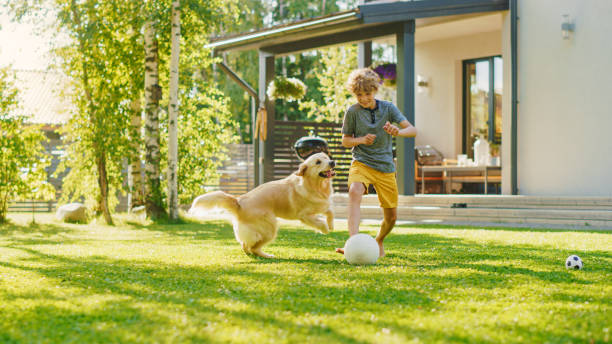

Play fighting is a common behavior in dogs, but pet owners may wonder if it is normal or something to be concerned about. Understanding the nature of dog play fighting can help determine whether it is a healthy part of canine socialisation or a potential issue that needs addressing. By analyzing the behaviours and body language exhibited during play fighting, pet owners can gain insights into whether their dogs are engaging in friendly play or displaying signs of aggression.
Key Takeaways
- Dog play fighting is a normal behaviour in dogs and contributes to their socialisation and development.
- Understanding canine body language and behaviours during play fighting can help pet owners determine if the play is friendly or potentially aggressive.
- Differentiating between play fighting and real fighting is important for responsible dog ownership.
- Observing signs of aggression during play fighting can help prevent injuries and intervene when necessary.
- Proper socialisation and guidance from pet owners play a crucial role in preventing dog aggression during play.
Why Do Dogs Play Fight?
Dogs engage in play fighting as a way to socialise and communicate with other dogs. It is a natural part of their development and helps them learn important social cues and boundaries. Through play fighting, dogs establish and maintain relationships, build trust, and practice various behaviours and movements. Play fighting also allows dogs to release excess energy and promote physical coordination. Understanding the purpose and benefits of play fighting can help pet owners recognise its normalcy and importance in a dog’s life.
In the world of dogs, play fighting serves a significant purpose. Not only does it provide dogs with a chance to engage in enjoyable physical activity, but it also fulfils their innate need for social interaction and communication. Through play fighting, dogs develop essential skills that enable them to navigate their interactions with confidence and success.
One of the key reasons why dogs play fight is for socialisation purposes. Play fighting allows dogs to learn appropriate social cues and boundaries when interacting with other dogs. It helps them understand the language of dog behaviour and body signals, allowing for better communication in future interactions. By participating in play fighting, dogs establish and maintain relationships, building trust and understanding with their playmates.
Additionally, play fighting offers dogs an opportunity to practice various behaviours and movements in a controlled, low-stakes environment. Dogs can experiment with different play styles, such as chasing, wrestling, and mock biting, all while learning the limits of their physical abilities and refining their coordination. This practice helps them develop body awareness, strength, and agility.
Moreover, play fighting allows dogs to release excess energy in a healthy and constructive way. Dogs are naturally active animals and require physical exercise to maintain their physical and mental well-being. Engaging in play fighting helps dogs burn off energy, reducing the likelihood of excessive excitement or restlessness that could lead to problem behaviours.
As responsible pet owners, it is crucial to recognise the importance of play fighting in a dog’s life. Encouraging and facilitating play fighting opportunities can contribute to a well-rounded and socially adept dog. However, it is essential to supervise play fighting sessions and ensure that the interactions remain safe and balanced. Understanding the underlying motivations behind play fighting helps pet owners differentiate it from aggressive behaviour and creates an environment that fosters healthy socialisation and play. By embracing play fighting as a natural behaviour, pet owners can support their dogs’ social and physical development while strengthening the bond between them.
How to Tell Whether Your Dog is Playing or Being Aggressive
Differentiating between play fighting and aggression can sometimes be challenging for pet owners. However, understanding your dog’s body language and observing specific behaviors can help you determine whether your dog is engaged in friendly play or displaying signs of aggression.
During play fighting, dogs often exhibit exaggerated and energetic movements. They may engage in play bows, where they lower their front end while keeping their rear end up in the air, signaling their playful intentions. Open-mouthed grins, loud exaggerated growling, and a willingness to continue play fighting are also signs of friendly play.
On the other hand, signs of aggression include stiff bodies, raised hackles, quick and stiff movements without bounciness, closed mouth with a curled lip, grumbling growls, and attempted escape or avoidance. These behaviors suggest that the interaction may be transitioning into real fighting.
To better understand your dog’s intentions during play fighting, pay close attention to their body language and overall behavior. By observing these cues, you can differentiate between friendly play and potential aggression, ensuring the safety and well-being of your dog and others.

Dog Play Fighting Behaviors
During play fighting, dogs exhibit a range of play behaviors that clearly convey their playful intentions. These behaviors include exaggerated and bouncy movements, such as leaping, bouncing, and energetic running patterns. Dogs engage in play bows, a playful posture where they lower their front end while keeping their rear end up in the air. This signals their intention to play and invites other dogs to join in the fun.
Additionally, dogs may display open-mouthed grins and relaxed facial expressions, indicating their joy and excitement during play fighting. Playful growling with high pitches is also common, serving as a playful form of communication between dogs. These playful behaviors are essential for dogs to establish social bonds, release pent-up energy, and practice their coordination and agility.
Recognizing and understanding these play behaviors can help pet owners differentiate between play fighting and aggressive behavior. By observing these playful body language cues, pet owners can ensure that play fighting remains a positive and enjoyable activity for their dogs.
Signs of Real Fighting in Dogs
While play fighting is a normal behavior, it is essential for pet owners to recognize the signs that indicate a transition from play fighting to real fighting. Dogs displaying stiff bodies and raised hackles, quick and stiff movements without bounciness, closed mouths with curled lips, grumbling growls, and attempts to escape or avoid the other dog may indicate the escalation of aggression. These behaviors suggest heightened arousal, increased focus, and a readiness to engage in physical altercation. Identifying these signs can help pet owners intervene and prevent further escalation or harm between the dogs.

How to Safely Break Up a Dog Fight
While it is best to avoid dog fights altogether, sometimes it becomes necessary for pet owners to intervene and break up a fight to ensure the safety of all dogs involved. When attempting to break up a dog fight, it is essential to stay calm and maintain an assertive demeanor.
There are several tactics that can be used to distract the fighting dogs and redirect their attention away from the fight. One effective method is to create a loud noise, such as clapping hands or using a whistle, to startle the dogs. Another option is to soak the dogs with water using a hose or water spray bottle to interrupt their focus on the fight.
Additionally, throwing a blanket over the fighting dogs can be an effective strategy to separate them and prevent further aggression. The sudden loss of visibility can disorient the dogs and momentarily interrupt their fighting behavior.
If distraction techniques do not work, it may be necessary to physically separate the dogs using a barrier like a baby gate or a leash. This allows for a safe and controlled separation between the dogs without direct physical contact. When using a leash, it is essential to loop it around a sturdy object or have someone assist in holding the leash to prevent the dogs from pulling away and potentially causing injury.
Physical intervention should be avoided whenever possible, as it can potentially escalate the aggression and lead to injuries for both the dogs and the pet owner. It is crucial to prioritize personal safety and seek professional guidance from a dog trainer or behaviorist to address the underlying issues causing the aggression and prevent future fights.
In conclusion, breaking up a dog fight requires careful assessment of the situation and the use of appropriate and safe techniques. Staying calm, using distractions, and employing barriers are all effective methods to peacefully separate fighting dogs. Seeking professional advice is vital to address aggression concerns and ensure the overall well-being of all dogs involved.
Is Puppy Engaging in Play Fighting with an Older Dog Normal?
Play fighting is an essential part of a puppy’s social development and helps them learn social cues and boundaries. It is entirely normal for puppies to engage in play fighting with older dogs. Not only does it provide an outlet for their energy, but it also promotes physical coordination and enhances their understanding of canine behavior.
When puppies engage in play fighting, they are learning valuable lessons about socialization and dog behavior. It allows them to practice bite inhibition and establish appropriate play behaviors. Through play, they develop a sense of boundaries and learn how to communicate and interact with other dogs.
However, it is important for pet owners to ensure that the play remains friendly, balanced, and safe. Size and energy levels should be taken into account when pairing a puppy with an older dog. Supervising play sessions is crucial to prevent accidents or injuries. Additionally, observing the body language of both dogs is essential to intervene if the play becomes too rough or either dog seems overwhelmed.
Why Do Dogs Growl During Play Fighting?
Dogs often growl during play fighting as a way to communicate excitement and engage in interactive play. Play growling is characterized by higher pitches, relaxed body language, and wagging tails, indicating playful intentions. It serves as a form of social communication, allowing dogs to establish boundaries and negotiate the rules of the game. Play growling is normal and harmless. However, pet owners should monitor the play and ensure that it remains appropriate and does not escalate into aggression. Seeking guidance from a professional dog trainer or behaviorist is recommended if concerns arise or if the growling intensifies.
During play fighting, dogs use various vocalizations to express their excitement and eagerness. Growling is one of the common vocalizations observed during play sessions. Unlike aggressive growling, which is deep and low-pitched, play growling is higher in pitch and accompanied by a relaxed body posture. It’s important to understand that play growling is a healthy and natural behavior that dogs engage in during play fighting.
When dogs growl during play fighting, it’s their way of communicating their enthusiasm and enjoyment. It indicates that they are actively participating in the game and having fun. The high-pitched growls, along with wagging tails and relaxed body language, demonstrate their playful intentions. Dogs use these vocalizations to establish boundaries and negotiate the rules of the game, ensuring that play remains balanced and enjoyable for both parties.
Importance of Monitoring Play
While play growling is normal and harmless, it is essential for pet owners to monitor the play and ensure that it remains appropriate. Sometimes, play growling can escalate into aggression if not managed correctly. It’s crucial to intervene if the play becomes too rough or if any dog becomes overwhelmed or uncomfortable.
Monitoring play involves observing the body language and behavior of the dogs involved. If the play growling intensifies and is accompanied by stiff body postures, raised hackles, or other signs of aggression, it may be necessary to interrupt the play and provide a cooling-off period. This can help prevent any potential misunderstandings or escalation of aggression.
Professional guidance from a dog trainer or behaviorist can be beneficial in understanding and managing play behavior in dogs. They can provide guidance on recognizing appropriate play and addressing any concerns or issues that may arise during play fighting.
The Importance of Socialization in Dog Play Fighting
Socialization is a vital aspect of dog play fighting. By ensuring proper socialization during puppyhood, dogs are exposed to various experiences, including play with other dogs. Through this socialization process, dogs learn appropriate play behavior and how to interact effectively with their canine peers.
Well-socialized dogs that have been exposed to different dogs and environments are less likely to engage in aggressive behaviors during play fighting. They have a better understanding of boundaries and are more adept at respecting them. Socialization helps dogs develop the necessary social skills to navigate interactions successfully, fostering positive play experiences with other dogs.
As a pet owner, it is crucial to prioritize socialization and provide opportunities for your dog to interact with other dogs in a controlled and safe environment. This exposure allows them to practice appropriate play behavior and solidify their understanding of social cues.

When socializing your dog, it’s important to take their age, temperament, and individual needs into consideration. Gradually expose them to new experiences, such as meeting friendly and well-behaved dogs, attending puppy socialization classes, and visiting dog-friendly parks or daycare facilities.
Introducing your dog to various types of dogs, including different sizes and ages, can help them learn to adapt and interact with a diverse range of playmates. Supervision is key during socialization to ensure the safety and well-being of all dogs involved.
By prioritizing socialization and providing positive experiences with other dogs, you can help your dog develop the essential skills necessary for healthy and enjoyable play fighting interactions.
Can Dogs Learn Self-restraint During Play Fighting?
Dogs have the ability to learn self-restraint through play fighting. When engaging in this natural behavior, dogs are given opportunities to practice and develop self-control. Play fighting enables dogs to moderate their behaviors and understand the boundaries set by their play partners. It is common for older dogs to scold younger dogs if the play becomes too rough, teaching them the importance of self-restraint.
This natural learning process helps dogs navigate social interactions and maintain a balanced play dynamic. By engaging in play fighting, dogs develop an understanding of their own strength and learn to adjust their play style accordingly. This self-restraint is crucial for maintaining a friendly and enjoyable play session.
During play fighting, dogs instinctively moderate their bite force, adjust their movements, and avoid causing harm to their play partners. They learn to gauge the reactions of other dogs and modify their behavior accordingly. This self-restraint is an important aspect of play behavior in dogs, as it allows for safe and enjoyable interactions.
As pet owners, it is essential to allow dogs to engage in play fighting, as it provides valuable learning experiences. However, it is equally important to intervene if the play becomes too intense or if any dog appears overwhelmed or uncomfortable. By actively supervising play sessions, pet owners can ensure that the play remains safe and that all dogs involved are practicing self-restraint.
By allowing dogs to participate in play fighting and encouraging the development of self-restraint, pet owners can contribute to their dogs’ overall socialization and well-being. Play fighting provides important mental and physical stimulation, while self-restraint strengthens their ability to interact appropriately with other dogs.
To summarize, dogs can indeed learn self-restraint during play fighting. It is a natural process that allows them to navigate social interactions and develop a balanced play dynamic. Pet owners should actively support and supervise play fighting, reinforcing positive behaviors and intervening if necessary. By doing so, dogs can grow into well-socialized and well-adjusted companions.
The Role of Socialization in Preventing Dog Fights
Proper socialization plays a significant role in preventing dog fights. Dogs that have been socialised from a young age are less likely to engage in aggressive behaviour and are better equipped to navigate social interactions. Through early socialisation, dogs learn appropriate play behaviour, understand communication cues, and develop a positive attitude towards other dogs. Pet owners should prioritise socialisation and provide opportunities for their dogs to interact with a variety of dogs and environments. Socialization not only promotes responsible dog ownership but also fosters a well-rounded and balanced dog.