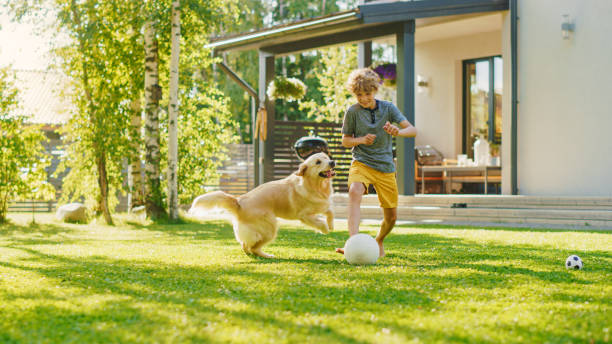

Playtime is not just a fun activity for our dogs. It has numerous benefits for their mental health, physical well-being, and the bond we share with them. Here are eight benefits of dog play:
Key Takeaways:
- Dog play is important for their mental health and physical well-being.
- Play behavior in dogs is rooted in their evolutionary history.
- Playing with others strengthens the bond between dogs and humans.
- Play provides dogs with physical and mental stimulation.
- Regular play helps prevent behavior problems and maintains a healthy weight.
The Evolutionary Purpose of Play
Play is deeply ingrained in dogs’ evolutionary history. It serves several essential purposes for their survival and well-being. The natural instincts observed in play behavior can be traced back to their wild ancestors.
Play helps puppies learn motor skills, develop coordination, and practice essential hunting techniques like stalking, chasing, and grabbing prey. These instincts are embedded in their DNA, allowing them to hone their skills in a safe and playful environment.
While domesticated dogs no longer rely on play for survival, it remains a vital part of their everyday lives. Play behavior in dogs is a means of self-expression, exploration, and communication. It allows dogs to engage with their environment, bond with others, and fulfill their natural curiosity and desires.
Through play, dogs can simulate real-life situations, test their physical abilities, and refine their problem-solving skills. It also provides an outlet for pent-up energy and mental stimulation, contributing to their overall well-being.
The Psychological Benefits of Play
Play has significant psychological benefits for dogs. It is not only an enjoyable activity but also plays a vital role in their emotional well-being and overall happiness. Researchers have observed that dogs engage in play with each other, even though it may involve certain risks. This suggests that play is inherently enjoyable and offers an opportunity for bonding with other dogs.
When dogs play with others, especially humans, it has a positive impact on their relationships. It strengthens the bond between dogs and their human companions, fostering trust and communication. Play is a way for dogs to express themselves and build a deep connection with their owners.
One of the fascinating aspects of play is its effect on oxytocin release. During play, dogs experience an increase in oxytocin, often referred to as the “love hormone.” This hormone promotes social interaction and emotional connection, not just with other canines, but also with humans. The release of oxytocin during play enhances the sense of joy and happiness, contributing to overall emotional well-being.

Whether it’s a game of fetch, a playful chase, or engaging in interactive toys, play brings immense psychological benefits to dogs. It helps alleviate stress and anxiety, providing an outlet for pent-up energy and frustration. Physical play also triggers the release of endorphins, which create a sense of pleasure and relaxation.
By incorporating play into their daily lives, dog owners can enhance the psychological well-being of their furry companions. It builds confidence, facilitates learning, and fosters a deeper bond between dogs and their owners.
Play as a Source of Physical and Mental Stimulation
Playtime is essential for dogs to receive both physical and mental stimulation, contributing to their overall well-being. Engaging in fast-paced games like chasing, wrestling, and tugging allows dogs to release pent-up energy, which is vital for their physical fitness. These activities provide dogs with an outlet to stay active, maintain a healthy weight, and prevent behavior problems caused by excess energy. Interactive toys and puzzle games, on the other hand, challenge their problem-solving skills and keep their minds sharp. Dogs can spend endless hours trying to solve puzzles or retrieve treats from interactive toys. This mental stimulation is crucial for preventing boredom and promoting mental well-being.
One popular mental stimulation game for dogs is scent games. Dogs have an incredible sense of smell, and engaging in scent games can be mentally exhausting for them. You can hide treats around the house or in your garden, and encourage your dog to use their scenting abilities to find them. This type of play taps into a dog’s natural instincts and provides a great mental workout.
Remember, physical and mental stimulation should go hand in hand for the overall health and happiness of your dog. Interactive play sessions with your dog not only provide them with the physical exercise they need but also engage their minds, keeping their mental faculties sharp. It’s a win-win situation that strengthens the bond between you and your furry friend.
By incorporating interactive play into your routine, you can provide your dog with the perfect balance of physical and mental stimulation. Not only will this prevent them from getting bored, but it will also promote their overall well-being, ensuring that they lead happy and healthy lives.
Play and Relationship Building
Playtime is not just a source of fun and entertainment for dogs and their owners; it also plays a vital role in strengthening the bond between humans and their furry companions. Regular play sessions that go beyond simple commands create opportunities for trust, communication, and companionship to flourish.
When we engage in playful activities with our dogs, it allows for a deeper connection and understanding to develop. We get to know their unique personalities, preferences, and quirks, while they learn to trust and rely on our presence. This strengthens the human-dog bond, making it more resilient and enduring.
One way play enhances the relationship is through shared enjoyment. Playing games like tug-of-war or fetch brings joy to both dogs and their owners, creating moments of shared happiness. These positive experiences build positive associations with each other and further solidify the bond.

Additionally, playtime provides an opportunity for non-verbal communication. During play, dogs use body language and various vocalizations to express their needs, desires, and emotions. As owners actively engage in play, they learn to interpret these signals, improving their ability to communicate effectively with their dogs. This communication fosters trust and understanding.
By incorporating play into our daily routines, we create a space that allows dogs to be their true selves, free from expectations and pressures. This sense of freedom and acceptance encourages dogs to express their natural behaviors and instincts, creating an environment where strong relationships can flourish.
To strengthen the bond with your dog, prioritize play as a relationship-building activity. In addition to structured training sessions, make time for spontaneous play and interactive games that cater to your dog’s preferences. Remember, it’s not just about the rules and commands; it’s about having fun and building a lasting connection.
Play as a Stress Reliever
Play serves as a natural stress reliever for dogs, providing them with a much-needed outlet for pent-up energy and anxiety. Engaging in playful activities not only allows dogs to release their inner enthusiasm but also helps alleviate frustration and promote a sense of well-being.
During play, dogs can redirect their focus away from stressors and engage in activities that bring them joy. Games like “find the treat” encourage mental stimulation, challenging dogs to use their problem-solving skills while also redirecting their attention from worrisome thoughts.
Physical play, such as chasing, destruction, and retrieving, allows dogs to exert their excess energy in a positive and fulfilling way. This can be particularly beneficial for dogs prone to anxiety, as it provides a healthy outlet to release tension and reduce feelings of restlessness.
Anxiety Reduction Through Play
Playtime activities that involve interaction with owners or other dogs foster social connections and help reduce anxiety. Dogs are naturally social animals, and participating in playful interactions creates a sense of bonding and security.
Not only does play promote relaxation through physical exertion, but it also triggers the release of endorphins, often referred to as “feel-good” hormones. This natural chemical response helps alleviate stress and anxiety, leaving dogs with a sense of calm and contentment.
Whether it’s a game of fetch, a spirited chase, or a wrestling match with a canine friend, play allows dogs to let go of tension and immerse themselves in the present moment. By providing a much-needed outlet for pent-up energy and anxiety, playtime contributes to dogs’ overall well-being and helps them lead balanced, happy lives.
Play as Exercise for Dogs
Playtime is not just about having fun; it also offers dogs a fantastic way to stay active and maintain a healthy weight. Engaging in play helps dogs release excess energy, keeping them fit and preventing weight gain, which can lead to various health issues. Whether it’s chasing balls, wrestling with friends, or playing tug, these physical activities can be demanding and quickly drain energy.
Regular play sessions provide dogs with the exercise they need, helping to prevent behavior problems caused by pent-up energy and a lack of physical activity. Just like humans, dogs require regular exercise to stay physically and mentally healthy. Playtime offers a holistic approach to exercise, as it not only benefits their physical well-being but also stimulates their minds and strengthens their bonds with humans and other dogs.

Play activities where dogs engage in intense physical movement help them burn calories and maintain a healthy weight. A game of fetch or tug-of-war can be an excellent workout session for dogs, ensuring they stay in shape and have a stronger immune system. Additionally, play helps improve cardiovascular health, muscle tone, and overall physical fitness.
Providing dogs with sufficient playtime allows them to indulge in natural behaviors like running, jumping, and wrestling, which are essential for their physical development and well-being. It also helps prevent obesity, joint problems, and other health conditions often associated with a sedentary lifestyle.
Whether it’s a game of fetch in the park, an interactive play session at home, or even playdates with other dogs, incorporating play into a dog’s routine is essential for their overall health and happiness. So, grab their favorite toy, head outside, and let the exercise and fun begin!
Play and Social Skills Development
Playtime with other dogs is essential for developing social skills in dogs. Through play, dogs have the opportunity to learn appropriate play behavior, refine their communication skills, and develop problem-solving abilities. Playing with other dogs allows for safe learning through trial and error, teaching important lessons about conflict resolution and managing mood and reactive behavior.
During play, dogs engage in various social interactions and learn to interpret subtle cues from their playmates. They practice taking turns, responding appropriately to signals, and understanding boundaries. These interactions help dogs develop the necessary skills to navigate social situations with both canine and human companions.
Playing with other dogs also provides dogs with valuable opportunities for problem-solving. They learn to assess different situations, strategize, and adapt their behavior accordingly. For example, during play, dogs may encounter playful romps, mock fights, or playful disagreements. As they engage in these experiences, they become adept at finding solutions, de-escalating tense situations, and understanding when it’s necessary to walk away.
Benefits of Developing Social Skills through Play:
- Learning Appropriate Behavior: Dogs learn how to interact respectfully with other dogs, improving their social etiquette and preventing potential conflicts.
- Problem-Solving Skills Development: Play presents dogs with challenges that require them to think creatively, fostering problem-solving abilities and mental agility.
- Enhanced Communication Skills: Dogs refine their ability to communicate effectively with other dogs, strengthening their understanding of body language and vocal cues.
- Managing Mood and Reactive Behavior: Through play, dogs learn to recognize and manage their own emotions and reactions, promoting better emotional regulation.
Integrating play into a dog’s routine, both with other dogs and humans, is crucial for their social development. It not only helps them become well-rounded and socially adept but also enhances the bond they share with their human companions.
Play and Confidence Building
Playtime is not only a source of entertainment for dogs; it can also help build their confidence and hone their natural instincts. Engaging in play activities that mimic hunting tasks, such as stalking, chasing, wrestling, and searching, can have a profound impact on a dog’s mental health and overall confidence. These activities tap into the innate abilities and instincts that dogs possess, making them feel less vulnerable and anxious.
By participating in play that mirrors the behaviors of their wild ancestors, dogs can develop a heightened sense of competence and self-assurance. These activities allow them to practice important skills and behaviors associated with hunting and survival. Through play, dogs learn to trust their instincts, rely on their senses, and navigate their environment with confidence.
Building hunting skills through play is not only beneficial for a dog’s mental well-being but also helps satisfy their natural instincts. Dogs have an inherent drive to chase, track, and capture prey. By engaging in play that taps into these instincts, dogs can experience a sense of fulfillment and purpose. It provides them with valuable mental stimulation, allowing them to exercise their problem-solving abilities.
Play is a vital component of a dog’s overall well-being. By incorporating play activities that promote confidence-building and the development of natural instincts, we can enhance our dogs’ quality of life and strengthen the bond we share with them.
Choosing the Right Toys for Play
When it comes to dog play, choosing the right toys is essential for a paw-some experience. Every dog has their unique play preferences, so it’s crucial to find toys that align with their individual tastes. Some dogs love shredding toys, while others enjoy a good chase or a sniffing adventure. By selecting toys that incorporate elements your dog loves, you can maximize their benefit and engagement during playtime.
Interactive toys and puzzle games are excellent choices to provide mental stimulation for your furry friend. These toys challenge their problem-solving skills and keep their minds sharp. From treat-dispensing puzzles to hidden squeakers, there is a wide variety of interactive toys available to enhance their play experience.
In addition to mental stimulation, interactive training toys like tug toys or fetch toys are perfect for strengthening the bond between you and your dog. These toys promote interactive play and provide an opportunity for you to participate actively. Whether it’s a game of tug or an exciting round of fetch, these interactive toys allow you to engage with your furry companion, creating lasting memories and reinforcing your connection.
Remember, playtime should be enjoyable and enriching for both you and your dog. By choosing toys that suit their play preferences, you can ensure a tail-wagging good time filled with interactive play and endless joy.