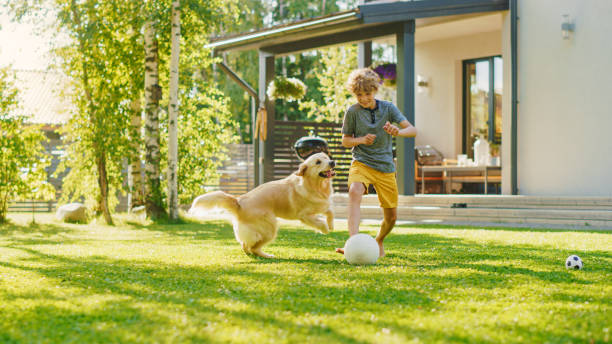

Socialization is essential for dogs to develop into well-rounded and content companions. It involves exposing our furry friends to various people, animals, and environments in a controlled and positive manner. By encouraging dogs to play nicely with others, we promote positive interactions, build good social skills, and foster harmonious relationships.
Key Takeaways
- Proper socialization shapes a dog’s behavior, temperament, and well-being.
- Socialization contributes to physical and mental health, preventing obesity and promoting adaptability.
- Well-socialized dogs display better safety awareness and adaptability in various environments.
- Socialization enhances training success and strengthens the bond between dogs and their owners.
- Educating ourselves about the unique needs of different dogs helps tailor socialization efforts effectively.
The Benefits of Canine Socialization
Socialization is not just about helping dogs interact with others; it also brings numerous benefits to their overall well-being. Canine socialization plays a vital role in promoting positive play behavior, fostering healthy dog relationships, and ensuring a happy and balanced life for your furry friend.
Physical Health
Canine socialization contributes to improved physical health in several ways. Engaging in play with other dogs helps maintain a healthy weight, preventing obesity-related health issues. It also promotes cardiovascular health, muscle development, and joint flexibility, keeping your dog in top shape for an active and fulfilling life.
Mental Health
Socialization prevents boredom, loneliness, and anxiety, which can negatively impact a dog’s mental well-being. By interacting with other dogs, your furry companion stimulates their mind, keeping them mentally sharp and engaged. This mental stimulation helps foster adaptability and resilience, enabling your dog to navigate new environments and experiences with ease.
Desirable Behaviors
One of the significant benefits of socialization is its role in developing desirable behaviors in dogs. Through interaction with other dogs, your furry friend learns appropriate play behaviors and communication skills. This helps establish healthy boundaries and promotes positive play behavior, ensuring harmonious interactions with other dogs and humans alike.
Implementing canine socialization tips effectively will not only enrich your dog’s life but also create a strong foundation for fostering healthy dog relationships and promoting positive play behavior. It’s an investment well worth making for the happiness and well-being of your beloved companion.
Increased Safety through Socialization
Building good dog social skills and encouraging friendly dog interactions through socialization can greatly contribute to the safety of your beloved pet. Well-socialized dogs are less likely to engage in risky behaviors such as running away or getting into fights with other dogs.
When dogs are properly socialized, they become better at reading and responding to social cues, reducing the risk of conflicts and fights during interactions with both dogs and humans. They learn to communicate effectively and understand the boundaries of acceptable behavior, leading to healthier and more peaceful social interactions.
Moreover, socialized dogs respond better to commands, as they have learned to interpret and follow cues from their owners. They stay close to their owners when called, reducing the risk of getting lost or injured in unfamiliar environments. Whether on a walk or in a public space, a dog with good social skills is more likely to stay by your side and avoid potentially dangerous situations.

By investing time and effort in socializing your dog, you are providing them with the necessary skills to navigate the world confidently and safely. This increased safety not only benefits the dog but also provides peace of mind for their owners, knowing that their furry friend is less likely to encounter risky or dangerous situations.
Better Adaptability through Socialization
Well-socialized dogs have the advantage of being more adaptable to changes in their environment. Whether it is moving to a new home or embarking on a journey, these dogs are more comfortable in new situations and environments. They exhibit less stress and anxiety, and can easily cope with changes in their routine.
One of the key benefits of this adaptability is that it allows owners to provide their dogs with new experiences and opportunities for enrichment. By being open to different situations and environments, socialized dogs are more likely to engage in positive play behavior, encouraging dogs to play nicely with others and promoting a healthy, positive play dynamic.
Reduced Stress and Anxiety
Socialization helps dogs develop resilience and emotional stability, reducing stress and anxiety in various situations. They are less likely to feel overwhelmed or threatened by new experiences and changes in their surroundings. Instead, they approach these changes with curiosity, confidence, and a willingness to explore. This adaptability not only benefits the dog’s well-being but also makes it easier for owners to introduce them to new people, places, and experiences.
Smooth Transitions
Moving to a new home can be a challenging experience for dogs. However, well-socialized dogs adjust more easily to new environments. They quickly adapt to their new surroundings, making the transition smoother for both the dog and the owner. By encouraging positive play behavior and promoting a friendly approach to new surroundings, socialization prepares dogs for such transitions and helps them settle into their new homes more effectively.
Enriching Experiences
Additionally, a dog’s ability to adapt allows owners to provide them with a variety of enriching experiences. Whether it’s participating in group activities, attending dog-friendly events, or exploring new environments, socialized dogs are more open to these opportunities. This promotes their mental stimulation, social engagement, and overall well-being.
Overall, socialization plays a vital role in building a dog’s adaptability. It enables them to navigate changes with confidence, reduces stress and anxiety, and enhances their overall quality of life. By promoting positive play behavior and encouraging dogs to interact nicely, socialization sets the stage for a happier, healthier, and more adaptable furry companion.
Improved Training with Socialization
Socialization plays a crucial role in a dog’s training journey. Well-socialized dogs are more receptive to new experiences and less stressed or anxious during training sessions. This means they are better able to understand and follow commands, making the training process smoother and more effective.
Socialized dogs also exhibit desirable behaviors such as friendliness, self-control, and confidence. These traits contribute to more successful training outcomes as they are more focused, attentive, and responsive to rewards and praise.
When a dog is properly socialized, they develop healthy relationships with other dogs and humans. This fosters a positive play behavior, creating a foundation for successful training sessions. The dog’s ability to interact well with others translates into better obedience and cooperation during training exercises.
Training a dog with a solid socialization foundation also enhances the bond between the dog and their owner. The shared positive experiences and successful training sessions strengthen the trust and connection in the relationship. This bond creates a harmonious dynamic that promotes healthy dog relationships and ensures a happy and well-adjusted dog.
By investing time and effort into socializing your dog, you’re setting them up for a lifetime of successful training and positive interactions. Embrace the opportunity to foster healthy dog relationships and promote positive play behavior through socialization and reap the rewards of a well-trained and well-adjusted canine companion.
Positive Impact on the Community
Well-socialized dogs contribute to a harmonious dog pack in the community, encouraging friendly dog interactions and creating an inclusive environment. By exhibiting good behavior in public spaces, socialized dogs reduce the risk of conflicts or aggressive behavior towards other dogs or people. This promotes a sense of safety and comfort for everyone, allowing for enjoyable walks and outings.
In addition to enhancing safety, socialized dogs also foster positive interactions between dog owners and other members of the community. Encounters between well-behaved dogs often lead to friendly exchanges, conversations, and even new friendships. These interactions build a sense of community and connection among dog owners, creating a supportive network for sharing experiences, training tips, and dog-related advice.
Understanding the Unique Needs of Different Dogs
Dogs are incredibly diverse, coming in a wide range of breeds, sizes, and temperaments. It’s important to understand that each dog has unique socialization needs. By tailoring our approach to their individual requirements, we can ensure they receive the proper socialization and build good dog social skills.
The Importance of Early and Ongoing Socialization for Puppies
Puppies are like sponges, eagerly absorbing new experiences and information. Early socialization is crucial for their development into well-adjusted and confident adults. *Canine socialization tips* during this formative stage include exposing puppies to various environments, introducing them to different people, animals, and situations. Ongoing socialization throughout their lives helps reinforce positive behaviours and builds a strong foundation of dog social skills.
Considering Breed-Specific Socialization Requirements
It’s important to recognize that different breeds may have distinct socialization requirements. For example, some breeds may be more prone to aggression or shyness, necessitating specific strategies for building good dog social skills. Researching and understanding your dog’s breed can guide you in providing the appropriate socialization experiences and training them to interact positively with others.
Special Needs Dogs and Tailored Support
Dogs with special needs or disabilities may require additional support and guidance in their socialization journey. These dogs may have unique sensitivities and requirements that need to be considered. By providing them with tailored approaches and accommodations, we can help them develop good social skills and ensure their well-being.
Understanding the uniqueness of each dog is vital when *building good dog social skills* and providing them with enriching experiences. By tailoring our socialization efforts to their individual needs, we can help them become happy, well-adjusted members of society.

The Role of Training in Socialization
Training plays a crucial role in canine socialization by teaching dogs appropriate behaviors and reinforcing positive interactions. Through training, dog owners can effectively build good dog social skills and foster a harmonious relationship with their furry companions.
Canine socialization tips often emphasize the use of positive reinforcement training, which involves rewarding desired behavior with treats, praise, and affection. This approach has proven to be the most effective in shaping and encouraging positive play behavior in dogs.
Training not only helps dogs change troublesome behaviors but also enables them to learn new skills essential for building good dog social skills. By providing clear boundaries and consistent training, dog owners can guide their pets towards polite and friendly interactions with other dogs and humans.
In addition to teaching specific commands and behaviors, training serves to strengthen the bond between the dog and their guardian. It establishes trust and cooperation, allowing the dog to feel comfortable and secure in their social interactions.
To ensure a positive training experience, it is crucial for dog owners to avoid using punishment or fear-based techniques. Fearful dogs may exhibit aggression, which can hinder their ability to develop good dog social skills. Instead, using fear-free techniques promotes positive behavior, preventing fear-based aggression and further supporting the socialization process.
By incorporating these canine socialization tips into their training routines, dog owners can lay the foundation for building good dog social skills, promoting positive play behavior, and establishing a strong and lasting bond with their furry friends.
The Importance of Early Socialization
Early socialization is key to fostering healthy dog relationships and encouraging friendly dog interactions. Starting from the puppy stage, it plays a crucial role in developing a well-adjusted and confident dog. During the puppy’s critical socialization period, they are most receptive to new experiences and learning how to interact with the world around them.
Introducing puppies to a variety of people, animals, and environments during this period helps prevent fears and phobias later in life. It sets the foundation for a dog’s lifelong social skills and overall behavior. Good socialization practices at this stage create a solid basis for building positive relationships with other dogs and humans.
Benefits of Early Socialization
- Promotes confident behavior: Early socialization boosts a puppy’s confidence, enabling them to approach new situations and form friendships.
- Ensures adaptability: Socializing puppies early helps them adapt to different environments, making them more resilient and less prone to anxiety or stress in unfamiliar situations.
- Prevents aggression: Proper socialization helps puppies learn appropriate play behavior and develop good communication skills, reducing the likelihood of aggressive behaviors towards other dogs or humans.
- Builds trust: Positive interactions during socialization create strong bonds of trust between the puppy and their owner, establishing a solid foundation for a lifelong relationship.
By prioritizing early socialization, owners can shape their puppies into well-rounded canine companions, capable of fostering healthy dog relationships and encouraging friendly dog interactions. Remember to make socialization a positive and fun experience, allowing puppies to explore the world around them and build a strong social foundation.

Training and Socialization: Building Strong Bonds
In order to foster healthy dog relationships and promote positive play behavior, training and socialization are essential. These two aspects go hand in hand and play a crucial role in building strong bonds between dogs and their owners. With positive reinforcement training, dogs develop trust, confidence, and good behavior, creating a solid foundation for a harmonious relationship.
Equally important is socialization, which provides dogs with the necessary skills to interact positively with others and navigate various social situations. By exposing dogs to different environments, people, and animals, they learn how to communicate effectively and play nicely with others. Regular training and socialization sessions help strengthen the connection between dogs and their owners, promoting a happy and fulfilling partnership.
Through training and socialization, dogs gain the confidence to explore the world around them and interact in a positive manner. Owners can use training sessions as an opportunity to bond with their dogs, forming a deep and trusting relationship. This bond not only enhances the owner-dog connection but also fosters healthy dog relationships with other dogs and members of the community.