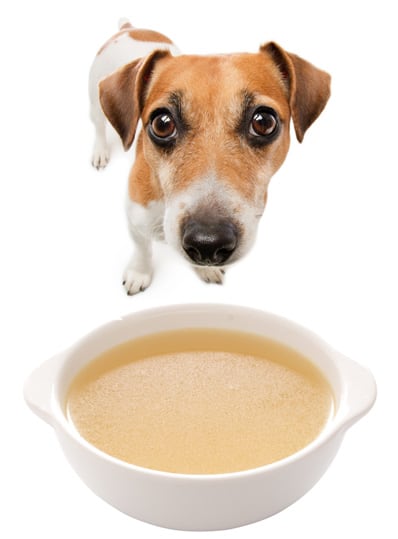

Feeding your dog a raw diet can provide numerous benefits, including improved overall health and well-being. In this feeding guide, we will explore the best practices for feeding a raw dog diet, including portion sizes, transitioning tips, and the importance of a balanced diet.
Key Takeaways
- A raw dog diet offers numerous benefits for your furry friend’s health and well-being.
- Feeding a balanced raw diet involves considerations such as portion sizes and transitioning techniques.
- A variety of supplements can enhance the nutritional value of a raw dog diet.
- Consulting with your veterinarian is essential for personalized advice and recommendations.
- Choosing a raw dog diet can be both beneficial and affordable for your canine companion.
Benefits of a Raw Diet for Dogs
Feeding your dog a raw diet can have numerous benefits. It provides a more natural and biologically appropriate diet, as dogs are carnivores by nature.
One of the key raw dog food benefits is healthier skin and coat. A raw diet can help improve the condition of your dog’s skin, making it less prone to dryness, itching, and irritation. Additionally, it can enhance the texture and shine of their coat, leaving them looking and feeling their very best.
Improved digestion is another advantage of a raw diet. Raw food is typically rich in natural enzymes and easily digestible, which can help prevent digestive issues such as diarrhea, constipation, and gas. This can result in better nutrient absorption and overall gut health for your dog.
A raw diet can also contribute to increased energy levels in your dog. By providing them with a diet that aligns with their evolutionary needs, you can optimize their energy levels and overall vitality. This can lead to more active and playful behaviour, making for a happier and healthier dog.
Furthermore, a raw diet can help reduce the risk of allergies and chronic diseases in dogs. Many commercial dog foods contain fillers, additives, and artificial ingredients that can trigger allergies or contribute to the development of chronic conditions. By feeding your dog a natural and nutrient-rich raw diet, you can minimize these risks and support their long-term health.
Maintaining a healthy weight is essential for your dog’s overall well-being. A raw diet, when properly balanced, can help dogs reach and maintain their ideal weight. The natural, unprocessed ingredients in raw food can often be more satiating than highly processed kibble, reducing the likelihood of overeating and weight gain.
Lastly, a raw diet can have a positive impact on dental health. Chewing on raw meaty bones can help remove plaque and tartar buildup, promoting healthier teeth and gums. This can reduce the risk of dental disease, which is a common issue among dogs.
In conclusion, feeding your dog a raw diet can provide several benefits, including healthier skin and coat, improved digestion, increased energy levels, reduced risk of allergies and chronic diseases, weight management, and improved dental health. Consider transitioning your dog to a best raw dog diet to support their overall health and well-being.
Portion Sizes for Raw Dog Diet
When it comes to feeding your dog a raw diet, portion sizes play a crucial role in ensuring they receive the right amount of nutrition. The ideal portion size for a raw dog diet may vary based on factors such as their weight and age. As a general guideline, puppies should be fed around 5-6% of their growing body weight, while adult dogs should be fed approximately 2-3% of their ideal body weight.
Monitoring your dog’s weight is important to determine if the portion size is appropriate. If your dog is gaining excessive weight, you may need to decrease the portion size slightly. On the other hand, if your dog is losing weight or appearing malnourished, it may be necessary to increase the portion size.
It’s important to note that these portion sizes are just rough estimates. Each dog is unique, and factors such as metabolism, activity level, and overall health also influence their dietary needs. If you’re unsure about the right portion size for your dog, consult with your veterinarian for personalized advice.
In addition to determining the correct portion size, it’s also important to establish a feeding routine. Feeding your dog twice a day is recommended for adult dogs over 6 months old. This helps to maintain consistent energy levels throughout the day and reduces the likelihood of overeating.
Example Portion Calculation:
- A 30-pound puppy with a growing body weight should be fed around 1.5 to 1.8 pounds of raw food daily, which is approximately 5-6% of their body weight.
- For a 50-pound adult dog with an ideal body weight, the recommended portion size would be around 1 to 1.5 pounds of raw food daily, which is approximately 2-3% of their body weight.
Remember, these calculations are just starting points. It’s important to observe your dog’s overall health and adjust the portion size accordingly. Regularly monitor their weight and body condition to ensure they maintain a healthy weight.

Transitioning to a Raw Dog Diet
Transitioning your dog to a raw diet requires careful planning and a gradual approach to ensure a smooth transition and minimize digestive upset. Follow these tips to help your dog transition successfully:
- Start by gradually introducing small amounts of raw food to your dog’s current diet. Begin with a small portion and gradually increase the amount over a period of 10 days. This gradual transition allows your dog’s digestive system to adapt to the new food without causing any discomfort.
- During the transition period, gradually decrease the amount of your dog’s current food while increasing the amount of raw food. This step helps to ease the transition and allows your dog to get familiar with the new flavors and textures.
- Observe your dog’s behavior and stool consistency throughout the transition. If you notice any adverse reactions such as vomiting, diarrhea, or excessive gas, slow down the transition process or consult with your veterinarian for personalized advice.
Remember, every dog is unique, and their transition to a raw diet may vary. It’s crucial to monitor their response and make adjustments accordingly. By transitioning gradually and carefully monitoring your dog’s progress, you can successfully transition them to a raw diet and help them enjoy the benefits of this natural and nutritious feeding option.
Importance of a Balanced Raw Dog Diet
A balanced raw dog diet is crucial to ensure that your dog receives all the necessary nutrients. By providing a variety of meat, including meaty bones, offal, fruits, herbs, and vegetables, you can ensure that your dog’s diet is rich in essential vitamins, minerals, and antioxidants. This diverse range of ingredients helps prevent nutrient deficiencies and promotes optimal health in dogs.
When formulating a balanced raw dog diet, it’s important to consider the different nutritional needs of dogs. For example, puppies require higher levels of protein and fat to support their growth and development, while senior dogs may benefit from additional joint support and omega-3 fatty acids.
One of the key benefits of a balanced raw dog diet is that it closely mimics the natural diet of dogs’ ancestors. Dogs are carnivores by nature, and their bodies are designed to process and digest raw meat. By providing a balanced diet, you are giving your dog the opportunity to thrive on a biologically appropriate diet.
Rotating different proteins in your dog’s diet is another way to ensure a balanced raw dog diet. Each protein source offers a unique profile of nutrients, so by rotating proteins such as beef, chicken, lamb, and fish, you can provide a wider range of essential nutrients. This variety also helps prevent the development of food sensitivities or allergies.
Choosing Raw Dog Food Supplements
Enhancing your dog’s raw diet with supplements can provide additional nutrients to support their overall health. Many pet owners opt to include supplements such as omega-3 fatty acids, probiotics, and joint support supplements to optimize their dog’s well-being. However, it’s essential to consult with your veterinarian before introducing any new supplements to your dog’s diet.
Your veterinarian is the best person to assess your dog’s specific needs and recommend appropriate supplements. They will consider factors such as your dog’s age, breed, current health condition, and any potential nutrient deficiencies. Consulting with your veterinarian ensures that the supplements you choose are tailored to your dog’s individual requirements and are safe for their consumption.
Omega-3 fatty acids, commonly found in fish oil supplements, can benefit your dog in various ways. They support healthy skin and coat, reduce inflammation, and promote heart and joint health. Probiotics help maintain a healthy gut by supporting beneficial bacteria and aiding digestion. Joint support supplements containing glucosamine and chondroitin can be particularly beneficial for aging or active dogs by promoting joint health and mobility.
Remember, choosing the right supplements is crucial, as inappropriate or excessive supplementation may have adverse effects on your dog’s health. Your veterinarian’s guidance ensures you make informed decisions that benefit your dog’s wellbeing. Additionally, your veterinarian can recommend reputable brands and provide dosage instructions based on your dog’s specific requirements.
Feeding Guidelines for Raw Dog Diet
Feeding your dog a raw diet requires careful consideration of their weight and specific needs. The guidelines provided below can help you determine the appropriate portion sizes to ensure a balanced and nutritious raw dog diet.
Feeding Guidelines by Age and Weight
When feeding puppies a raw diet, a general guideline is to feed them 4-6% of their body weight daily. For example, if your puppy weighs 10 kilograms, the recommended daily portion would be approximately 400-600 grams. Adjust the portion size based on the puppy’s activity level, age, and overall health.
Adult dogs, on the other hand, should be fed 2-3% of their ideal body weight. If your dog’s ideal weight is 20 kilograms, the daily portion would be around 400-600 grams. It is essential to monitor your adult dog’s weight regularly and make adjustments to the portion size if needed.
Additional Factors to Consider
While the guidelines mentioned above provide a starting point, it’s crucial to consider other factors that can influence your dog’s feeding requirements. These factors may include their activity level, metabolism, breed, and any underlying health conditions. Consulting with your veterinarian can help you determine the most suitable portion sizes for your dog’s specific needs.
Monitoring Your Dog’s Weight and Adjusting Portion Sizes
Regularly monitoring your dog’s weight is essential to ensure they are receiving the appropriate amount of food. If your dog starts to gain weight, consider reducing the portion size slightly. Conversely, if your dog is losing weight or appears to be constantly hungry, you may need to increase the portion size.

Remember, these feeding guidelines are meant to serve as a starting point. Each dog is unique, and their nutritional needs may vary. By closely monitoring your dog’s weight, consulting with your veterinarian, and making adjustments as necessary, you can ensure they receive a balanced and healthy raw dog diet.
Feeding Calculators for Raw Dog Diet
When it comes to feeding your dog a raw diet, determining the appropriate portion size can sometimes be challenging. That’s where online feeding calculators can come to the rescue. These calculators are a valuable tool that can help you determine the right amount of food to feed your dog based on their weight.
Feeding calculators take into account the percentage of your dog’s body weight that should be fed and provide a daily recommendation in grams. By inputting your dog’s weight and the recommended percentage, you can quickly and easily calculate the appropriate portion size for each meal.
Using feeding calculators as a guide can be especially helpful if you are new to raw feeding or if you have a dog with specific dietary needs. These calculators help take the guesswork out of portion sizes, ensuring that your dog receives the right amount of nutrition for their individual needs.
It’s important to keep in mind that feeding calculators provide a general recommendation, and adjustments may be necessary based on your dog’s specific circumstances. Factors such as age, activity level, and any existing health conditions can influence the amount of food your dog needs.
Nowadays, numerous feeding calculators are available online, making it convenient for pet owners to access this helpful tool. Simply enter your dog’s weight and the recommended percentage into the calculator, and it will provide you with the daily portion size in grams.
Using Feeding Calculators Responsibly
While feeding calculators can be a valuable resource, it’s important to use them responsibly and in conjunction with reputable feeding guides and veterinary advice. Remember, every dog is unique, and their dietary needs may vary. Feeding calculators should serve as a starting point for determining portion sizes, but it’s essential to monitor your dog’s weight, body condition, and overall well-being to make any necessary adjustments.
Consulting with a veterinarian who is knowledgeable about raw feeding can provide personalized recommendations specific to your dog’s needs. They can help you assess your dog’s body condition, evaluate their dietary requirements, and guide you on the appropriate portion sizes for a balanced and healthy raw dog diet.
- Start by finding a reliable and accurate online feeding calculator that suits your needs.
- Enter your dog’s current weight into the calculator.
- Input the recommended percentage of their weight to be fed as per the Feeding Guide For Raw Dog Diet.
- The calculator will provide you with the daily portion size in grams.
- Adjust the portion size based on your dog’s individual needs, activity level, and overall health.
- Regularly monitor your dog’s weight and body condition to ensure they are maintaining a healthy weight.
By using feeding calculators responsibly and in conjunction with expert advice, you can ensure that your dog’s raw diet is tailored to meet their nutritional needs and support their overall health and well-being.
Cost Comparison of Raw Dog Diet
The cost of feeding a raw dog diet can vary depending on the brand and type of raw food chosen. When considering the affordability of raw dog food, it’s important to compare the cost with other feeding options such as dry food or wet food. Taking into account both the daily cost and the nutritional value provided by the raw dog food can help make an informed decision.
Raw dog food may appear to have a higher upfront cost compared to other options, but it’s essential to consider the long-term benefits it offers. Feeding your dog a raw diet can contribute to their overall health and well-being, potentially leading to fewer health issues and lower veterinary bills in the future.
Additionally, the nutritional value provided by raw dog food is often higher than that of processed alternatives. Raw food retains important nutrients that may be lost during the cooking or manufacturing process of commercial diets. This can contribute to better digestive health, improved skin and coat condition, and increased energy levels in your dog.
It’s worth noting that with raw dog diet, there may be additional costs involved in ensuring a balanced diet. This can include supplements or specialized recipes to meet your dog’s specific nutritional requirements. Consulting with a veterinarian can help determine the right balance and ensure your dog’s nutritional needs are met.

Conclusion
Feeding your dog a raw diet can offer numerous benefits and contribute to their overall health and well-being. The Feeding Guide For Raw Dog Diet provides valuable information and guidelines to help you make the best choices for your furry friend’s nutrition. By following these tips for feeding raw dog food and understanding the raw dog food portion size, you can ensure that your dog receives a balanced and nutritious diet.
Transitioning to a raw dog diet may require some adjustment, but the benefits are worth it. Your dog will experience improved digestion, healthier skin and coat, increased energy levels, and reduced risk of allergies and chronic diseases. It’s essential to consult with your veterinarian for personalized advice during the transition period and to discuss the importance of a balanced raw dog diet.
Additionally, raw dog food supplements can provide additional support for your dog’s overall health. Omega-3 fatty acids, probiotics, and joint support supplements are commonly used to complement a raw diet. However, it’s crucial to consult with your veterinarian before adding any supplements to ensure they are appropriate for your dog’s specific needs.
Remember, the Feeding Guide For Raw Dog Diet is a comprehensive resource to help you navigate the world of raw feeding for dogs. By following these best practices, you can provide the best raw dog diet for your furry companion, supporting their health, vitality, and happiness.