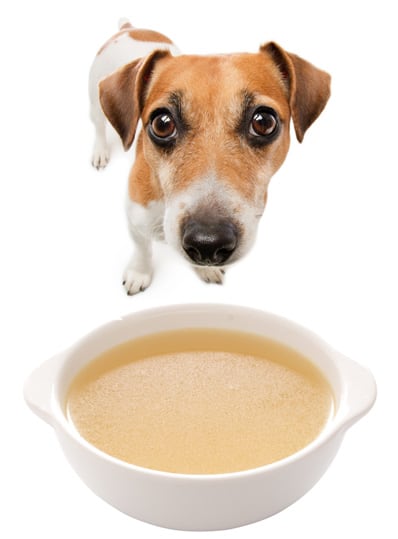

Gastrointestinal issues can be a common problem among dogs, causing discomfort and digestive problems. Fortunately, there are several dog food options available that are specifically formulated to support and improve your pet’s digestive health. These options include hypoallergenic dog food for gastrointestinal issues, grain-free dog food for sensitive stomachs, and premium dog food recommended by veterinarians for gut health. These specially formulated dog foods are designed to provide optimal nutrition while also promoting optimal digestion and gut balance.
Key Takeaways
- Gastrointestinal dog food options are designed to support and improve your dog’s digestive health.
- Hypoallergenic dog food is a good option for dogs with sensitive stomachs and gastrointestinal issues.
- The best dog food for digestive health is formulated to support optimal digestion and gut health.
- Grain-free dog food can be beneficial for dogs with stomach sensitivity and digestive issues.
- Probiotic dog food can help promote gut balance and overall digestive health in dogs.
Dog Food for Sensitive Stomach
Dogs with sensitive stomachs require special attention when it comes to their diet. Certain ingredients can be difficult for them to digest, leading to digestive issues such as vomiting, diarrhea, and gas. To alleviate these symptoms, it’s important to choose a dog food that is specifically formulated for sensitive stomachs.
Hypoallergenic dog food can also be a good option for dogs with gastrointestinal issues. Dog food for sensitive stomach typically contains limited or novel protein sources and avoids common allergens. These types of dog foods are easier on the digestive system and can help promote better digestion and overall gut health.
Best Dog Food for Digestive Health
When it comes to promoting digestive health in dogs, choosing the right dog food is crucial. The best dog food for digestive health is one that is specifically formulated to support optimal digestion and gut health. This type of dog food typically contains high-quality ingredients that are easily digestible and nutrient-rich.
Additionally, some veterinarians recommend specific dog food brands or formulas that have been proven to be effective in promoting gut health. These vet recommended dog food for gut health options have undergone rigorous testing and are trusted by professionals in the field.
For pet owners looking for a more natural approach, natural dog food for optimal digestion can be a great choice. These dog foods are made with wholesome ingredients that are easily digestible and provide the necessary nutrients for maintaining a healthy digestive system.
One example of a best dog food for digestive health brand is Royal Canin Digestive Care, which is specifically formulated to support optimal digestion and gut health. It contains a unique blend of fibers to promote healthy digestion and improve stool quality.
Another option is Hill’s Prescription Diet i/d Digestive Care, a vet recommended dog food for gut health. This formula is specially designed to support digestive health and is often recommended for dogs with gastrointestinal issues.

Choosing the best dog food for digestive health is an important decision for pet owners. By selecting a high-quality dog food that promotes optimal digestion and gut health, you can help alleviate gastrointestinal issues and ensure that your furry friend stays happy and healthy.
Grain-Free Dog Food for Stomach Sensitivity
If your dog has stomach sensitivity or digestive issues, grain-free dog food may be a beneficial choice. This type of dog food is specifically formulated without grains, which can help reduce digestive upset and food allergies or intolerances. Grain-free dog food often includes high-quality protein sources, such as meat or fish, that are easily digestible. These protein sources provide essential nutrients and support gastrointestinal health.
Many grain-free dog food brands offer premium options that are designed to provide optimal support for dogs with gastrointestinal issues. These premium dog food options contain carefully selected ingredients to promote digestive health and overall gut balance. By feeding your dog grain-free dog food, you can help improve their gut health and reduce the risk of digestive problems.
When choosing a grain-free dog food for your dog’s stomach sensitivity, it’s important to consider the specific needs of your pet. Look for high-quality ingredients and ensure that the dog food provides a balanced and complete nutrition. If you are unsure about which grain-free dog food brand to choose, consult with your veterinarian, who can provide recommendations tailored to your dog’s individual needs.
Probiotic Dog Food for Gut Balance
Probiotics are beneficial bacteria that can improve gut health and balance in dogs. Incorporating probiotic dog food into your pet’s diet can contribute to a healthy gut microbiome, supporting proper digestion and overall well-being.
Probiotic dog food contains added strains of these beneficial bacteria, which play a crucial role in maintaining gut balance. These probiotics work by colonizing the gut and inhibiting the growth of harmful bacteria, promoting a healthy and diverse gut microbiota.
Many probiotic dog foods are formulated with natural ingredients that provide a rich source of probiotics. Yogurt, kefir, and fermentation by-products are commonly included in these dog foods, offering a natural and effective way to enhance your dog’s digestive health.
Feeding your dog a probiotic dog food can help restore and maintain gut balance, reducing the risk of gastrointestinal issues such as diarrhea, constipation, and bloating. By improving gut health, probiotics also support immune function and nutrient absorption.

When choosing a probiotic dog food, look for reputable brands that prioritize quality and safety. Consider factors such as the specific strains and quantities of probiotics included, as well as the overall nutritional profile of the food.
It’s important to note that probiotic dog food should not be used as a substitute for veterinary care. If your dog has existing gastrointestinal issues or chronic digestive problems, consult with your veterinarian for personalized advice and treatment recommendations.
By incorporating a probiotic dog food into your pet’s diet, you can support their digestive health, promote a balanced gut microbiome, and contribute to their overall well-being.
Factors to Consider When Choosing Gastrointestinal Dog Food
When selecting gastrointestinal dog food for your pet, there are several important factors to consider. First, it’s crucial to consult with your veterinarian to determine the underlying cause of your dog’s gastrointestinal issues and get recommendations tailored to their specific needs. Their expertise will help guide you towards the most suitable options.
In addition to veterinary advice, consider the ingredients in the dog food. Opt for options that are easily digestible and free from common allergens, as these can exacerbate digestive issues. Look for dog food formulas that are made with high-quality, easily digestible protein sources like chicken or turkey, and avoid artificial additives or preservatives that could trigger sensitivities.
Another crucial consideration is ensuring that the dog food provides balanced nutrition for your pet. A healthy dog diet should contain a proper balance of proteins, healthy fats, carbohydrates, vitamins, and minerals. Read the packaging carefully to ensure that the gastrointestinal dog food meets your pet’s specific dietary requirements and provides all the essential nutrients they need for their overall health and well-being.
Finally, think about whether the dog food contains any additional supplements or additives that can promote gut health. Prebiotics, which are dietary fibers that nourish the beneficial bacteria in your dog’s gut, can support healthy digestion. Omega-3 fatty acids, known for their anti-inflammatory properties, can also benefit dogs with gastrointestinal issues.
By considering these factors and making an informed decision, you can choose gastrointestinal dog food that caters to your dog’s specific needs and promotes their digestive health.
Consult Your Veterinarian for Tailored Recommendations
Before making any changes to your dog’s diet, it’s essential to consult with your veterinarian. They will be able to provide personalized advice based on your dog’s individual needs and health condition. Veterinary guidance is crucial in diagnosing any underlying gastrointestinal issues and recommending the most appropriate dog food options for your furry friend.
When choosing gastrointestinal dog food, factors such as veterinary advice, easily digestible ingredients, balanced nutrition, and gut-healthy additives should all be considered. These considerations will help ensure that your dog’s digestive health is supported and their overall well-being is optimized.
Transitioning to Gastrointestinal Dog Food
When it comes to transitioning your dog to gastrointestinal dog food, a gradual approach is key. This helps avoid any potential digestive upset that can occur when introducing a new type of food. A sudden switch can shock your dog’s system and lead to gastrointestinal issues. To ensure a smooth transition, follow these steps:
- Start with a small amount: Begin by mixing a small amount of the new gastrointestinal dog food with your dog’s current food. This allows their digestive system to gradually adjust to the new food without overwhelming it.
- Slowly increase the proportion: Over the course of 7-10 days, gradually increase the proportion of the new gastrointestinal dog food while reducing the amount of the old food. This gradual transition provides the time needed for your dog’s digestive system to adapt.
- Monitor digestion: Keep a close eye on your dog’s digestion during the transition period. Observe their stool quality, any changes in appetite, and overall comfort. If any digestive issues or discomfort arise, it may be necessary to slow down the transition or consult with your veterinarian for guidance.
Remember, every dog is unique, and their response to dietary changes may vary. Adjust the amount and speed of the switch based on your dog’s specific needs. Your veterinarian is always a valuable resource and can provide tailored advice based on your dog’s individual circumstances.
By following these steps, you can help ensure a smooth and successful transition to gastrointestinal dog food, promoting digestive health and overall well-being for your furry friend.

Other Strategies for Promoting Digestive Health in Dogs
In addition to choosing the right gastrointestinal dog food, there are other strategies you can employ to promote digestive health in your dog. By implementing these tips and tricks, you can ensure that your furry friend maintains a healthy gut and optimal digestion.
1. Regular Exercise
Regular exercise is not only essential for keeping your dog physically fit, but it also plays a crucial role in maintaining a healthy digestive system. Daily walks, playtime, and interactive toys can help stimulate your dog’s digestive tract, promoting regular bowel movements and preventing constipation. A physically active dog is less likely to experience digestive issues, so make sure to incorporate exercise into their daily routine.
2. Avoiding Table Scraps and Limiting Treats
While it may be tempting to share your meals with your beloved pet, feeding them table scraps can disrupt their digestive system. Human food often contains ingredients that are harmful or hard to digest for dogs. Additionally, excessive treats can lead to weight gain and digestive upset. Stick to a balanced and nutritious diet of high-quality dog food, and limit treats to those specifically formulated for digestive health.
3. Feeding Smaller, More Frequent Meals
Feeding your dog smaller, more frequent meals can aid in digestion and prevent discomfort. This feeding schedule allows for easier digestion and helps maintain a stable blood sugar level. Instead of one or two large meals, divide their daily food portion into multiple smaller meals throughout the day. Ensure that the total daily intake aligns with your dog’s nutritional needs and consult with your veterinarian for specific feeding recommendations.
4. Providing Clean, Fresh Water
An adequate supply of clean, fresh water is essential for maintaining optimal hydration and supporting overall digestive health. Water helps lubricate the digestive system and aids in the absorption of nutrients. Make sure to provide your dog with fresh water at all times, and check that their water bowl is clean and free from contaminants. If you notice any changes in their water consumption or suspect dehydration, consult with your veterinarian.
By implementing these strategies for promoting digestive health in dogs, you can help prevent gastrointestinal issues and ensure that your furry companion enjoys a happy and comfortable life. Remember to always consult with your veterinarian for personalized advice and recommendations tailored to your dog’s specific needs.
Monitoring Your Dog’s Digestive Health
Monitoring your dog’s digestive health is essential to ensure they are thriving on their gastrointestinal dog food. By keeping a close eye on their digestion, you can identify any potential issues and take appropriate action.
Signs of a healthy gut in dogs include regular and formed stools, minimal gas or bloating, and a healthy appetite. If you notice any changes in your dog’s digestion, such as chronic diarrhea, vomiting, or loss of appetite, it’s important to consult with your veterinarian for further evaluation and guidance.
Regular check-ups with your vet can help catch any potential digestive issues early and ensure your dog’s continued gut health. Your veterinarian can also provide advice on how to monitor their digestive health at home and any additional steps you can take to promote optimal gut health.
Conclusion
In conclusion, when it comes to your dog’s digestive health, choosing the right gastrointestinal dog food is essential. By selecting dog food options specifically formulated for sensitive stomachs and supporting digestive health, you can help alleviate gastrointestinal issues and promote optimal digestion. Additionally, incorporating probiotics into your dog’s diet can enhance gut balance and overall wellbeing. Remember to consider your dog’s individual needs and consult with your veterinarian for personalized recommendations.
By taking proactive steps to support your dog’s gut health, you can ensure they live a happy and healthy life. With a variety of gastrointestinal dog food options available, there is a suitable choice for every dog. Prioritize their wellbeing by providing the nutrition they need to maintain optimal digestive function. Give your furry friend the best chance at a comfortable and thriving life with the right gastrointestinal dog food tailored to their specific needs.