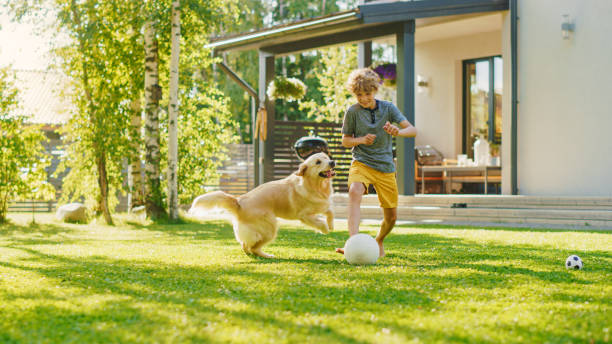

Playing with a puppy is not only a fun and enjoyable experience, but it also helps in building a strong bond between you and your furry friend. There are various interactive and engaging games that you can play with your puppy to promote bonding and create joyful experiences. In this article, we will explore different ideas and activities to play with your puppy, ensuring a playful and fulfilling relationship.
Key Takeaways:
- Playing with your puppy is a great way to build a strong bond and create joyful experiences.
- Interactive and engaging games can promote mental stimulation and problem-solving skills.
- DIY games using household items can provide affordable entertainment for your puppy.
- Giving your puppy their own space and a daily routine can contribute to a sense of security.
- Establishing communication, setting boundaries, and starting puppy training are essential for a well-behaved and disciplined furry friend.
DIY Games to Play with Your Dog
Engaging with your pup can be affordable and exciting with DIY games. These interactive games, made with everyday items, provide mental stimulation and endless fun for your furry friend. Equip yourself with creativity and watch your dog have a blast. Let’s explore some homemade puppy games that will keep tails wagging.
Muffin Tin Puzzle
One of the popular DIY games is the muffin tin puzzle. Simply hide treats under tennis balls in a muffin tin. Your clever canine will use their problem-solving skills to sniff out the hidden treasures.
Treat Burrito
For the treat burrito game, wrap treats in a towel and let your pup unroll it. This game engages their sense of smell, and they’ll love the challenge of finding the hidden goodies.
Cardboard Tube Treats
Cardboard tube treats are another hit. Fill a cardboard tube with peanut butter or arrange tubes in a shoebox to create a stimulating puzzle. Your pup will enjoy the challenge of getting to the delicious prizes.
Snack Track Down
Test your dog’s sniffing skills with snack track down. Hide treats in containers around the house and let them search for their tasty rewards. This game taps into their natural instincts and provides a rewarding experience.
Ball Pit-Palooza
Transform a kiddie pool into a ball pit-palooza. Fill it with balls and treats for your playful pup to dive into. This game provides mental and physical stimulation, encouraging hours of joyful play.
These DIY games bring out your creativity and ensure endless entertainment for your furry companion. Whether it’s the muffin tin puzzle, treat burrito, cardboard tube treats, snack track down, or ball pit-palooza, your pup will love the mental challenges and rewards these games offer.
Games to Make Dogs Smarter
Playing games with your puppy can be a rewarding experience for both of you. Not only are these games fun and exciting, but they also have the added benefit of making your furry friend smarter. By engaging your puppy in brain games and teaching them cool tricks, you can help stimulate their mental abilities and improve their overall intelligence.
Hide-and-Seek
One of the exciting brain games you can play with your dog is hide-and-seek. This game not only provides mental stimulation but also helps develop their problem-solving skills. Start by finding a hiding spot and calling your puppy to come and find you. As they search for you, their senses and cognitive abilities will be put to the test. This game is not only great for mental exercise but also strengthens the bond between you and your furry friend.
Treasure Hunt
A treasure hunt is another fantastic brain game that can enhance your dog’s intelligence. Hide treats or toys around the house or in the garden, then encourage your puppy to find them. This game encourages their natural instinct to search and provides mental stimulation. As your dog uses their senses to locate the hidden treasures, they are actively engaging their brains and improving their problem-solving abilities.

Cool Tricks
Teaching your dog cool tricks is not only impressive but also helps in developing their intelligence. Tricks like high-five, sit, down, stay, and come require focus, concentration, and listening skills. By breaking down these tricks into small, achievable steps and using positive reinforcement techniques, you can train your dog to perform these tricks and improve their cognitive abilities in the process.
Stop and Go
Stop and go is a game that reinforces your puppy’s training and helps improve their listening skills. Practice commands like “come” and “stay” in different scenarios, encouraging your dog to follow them. This game not only challenges their cognitive abilities but also strengthens their understanding of commands and the importance of obedience.
Name Game
The name game is a fun and interactive activity that helps expand your dog’s vocabulary. By teaching them the names of their favorite toys, people, and activities, you are enhancing their language skills and cognitive abilities. Use a variety of objects and consistently reinforce the association between the name and the item, creating a rewarding learning experience for your puppy.
Games to Play Indoors
It’s not always possible to go outside to play with your puppy, especially during bad weather or if you don’t have a yard. But don’t worry! There are plenty of fun and engaging indoor games and activities to keep your furry friend entertained and mentally stimulated.
One exciting game is “clean up, clean up,” where you teach your puppy to put their toys away. This not only helps with tidying up but also enhances their obedience training. You can make it a fun challenge by turning it into a race or using treats as a reward.
Another fantastic indoor game is the snuffle mat. This interactive puzzle toy allows your puppy to use their sense of smell to find hidden treats in the folds and pockets of the mat. It provides mental stimulation and satisfies their natural instincts.
If you’re looking for a physical challenge, try setting up an obstacle course using household items. Create tunnels with chairs and blankets, use pillows for hurdles, and set up cones for weaving through. This obstacle course will keep your puppy active and engaged, improving their agility and coordination.
For a quick burst of energy, try the staircase run. Take your puppy up and down the stairs, encouraging them to follow you. It’s an excellent exercise for both their physical and mental well-being.
Lastly, obedience training is a fantastic indoor activity that can be done anywhere, anytime. Use this time to work on essential commands such as “come” and “stay.” It strengthens the bond between you and your puppy while instilling discipline and good behavior.
Remember, indoor games provide a great opportunity for bonding and mental stimulation, even when you can’t go outside. So, gather your puppy’s favorite toys and get ready for a fun and fulfilling playtime right in the comfort of your own home!
Bonding with Your Puppy: Benefits and Techniques
Building a strong bond with your puppy is essential for a healthy and fulfilling relationship. When you bond with your puppy, you establish trust, communication, and understanding, which are the building blocks of a strong connection. The benefits of bonding with your puppy are numerous and include improved obedience, better behavior, reduced anxiety, and increased overall happiness for both you and your furry friend.
There are several techniques you can employ to strengthen the bond with your puppy:
- Establishing Communication: Effective communication is key to bonding with your puppy. Use clear commands and consistent body language to convey your expectations. This helps your puppy understand what is expected of them and fosters a stronger connection.
- Giving Boundaries: Setting boundaries is essential in establishing a healthy relationship with your puppy. Clearly define rules and expectations to teach them proper behavior. This provides structure and discipline, reinforcing your role as their leader.
- Creating a Daily Schedule: A consistent daily schedule provides routine and structure for your puppy, helping them feel secure and understand what to expect. This creates a sense of stability and strengthens the bond between you and your furry friend.
- Making Playtime a Game: Turn playtime into interactive games to engage your puppy mentally and physically. Incorporate activities such as hide and seek, puzzle toys, and obedience games to enhance engagement and reinforce the bond.
- Exercising Your Puppy: Regular exercise is crucial for your puppy’s physical and mental well-being. Engage in activities like walks, outdoor play, and interactive toys to provide stimulation and strengthen the bond through shared experiences.
- Starting Puppy Training: Enrolling your puppy in training classes helps establish a common language between you and your furry friend. Training sessions provide mental stimulation, improve communication, and build trust-based relationships.
- Giving Your Puppy Their Own Space: Creating a designated space for your puppy allows them to feel safe and secure. This provides them with a retreat when they need alone time and fosters a sense of trust and comfort.
- Building Trust Through Cuddling and Handling: Regular cuddling and gentle handling helps your puppy develop a positive association with physical touch. This reinforces trust and creates a deeper bond between you and your furry friend.
By implementing these bonding techniques, you can create a strong and loving relationship with your puppy. Remember to be patient, consistent, and understanding throughout the process. Bonding takes time and effort, but the rewards are worth it for both you and your furry companion.

Establishing Communication with Your Puppy
Effective communication plays a crucial role in building a strong bond with your puppy. While they may not understand human words, they can learn to recognize specific commands and cues. By using a combination of techniques, you can establish clear communication and understanding between yourself and your furry friend.
Using Tone of Voice
Your tone of voice can convey a range of emotions to your puppy. By using a gentle and soothing tone, you can communicate comfort and reassurance. Conversely, using a firm and authoritative tone can help to establish boundaries and convey commands. Remember, consistency in tone is essential to help your puppy understand your intentions and expectations.
Food Luring and Eye Contact
Food luring is a powerful technique for commanding your puppy’s attention. By using treats or their favorite food, you can guide them into certain positions or behaviors. This method creates a positive association and motivates your puppy to follow your lead.
Additionally, maintaining eye contact while interacting with your puppy can strengthen your connection. By looking into their eyes, you establish a deeper level of engagement and understanding. It can also help you assess their emotions and respond accordingly.
Teaching Name Recognition
One of the first commands you should teach your puppy is to recognize their name. Begin by saying their name in a clear and positive tone, followed by offering a treat or reward. Repeat this exercise consistently, gradually reducing the frequency of treats as your puppy becomes familiar with their name. Soon, they will associate their name with attention and positive reinforcement, making it easier to get their attention and call them to you.
Incorporating these communication techniques into your interactions can help foster a harmonious relationship with your puppy. Remember to be patient and consistent in your training efforts. With time and practice, you and your puppy will develop an incredible understanding and bond.
Setting Boundaries with Your Puppy
Setting boundaries is crucial for both you and your puppy. It helps establish rules and teaches your puppy proper behavior, creating structure and discipline in your relationship. One effective way to set boundaries is by using baby gates or playpens.
Baby gates are a great tool to restrict your pet’s access to certain areas of the house. Whether it’s keeping them out of the kitchen while you’re cooking or preventing them from going upstairs, baby gates provide a physical barrier that helps your puppy understand their boundaries.
Similarly, playpens can be used to create a designated space for your puppy to stay when needed. This is particularly useful when you can’t directly supervise them or during times when they need some quiet time to rest. A playpen provides your puppy with their own secure area, reducing the chances of accidents or undesirable behaviors.
By establishing and consistently enforcing these boundaries, you are reinforcing your role as the leader and promoting a healthy relationship based on mutual respect. Your puppy will learn to understand and abide by the rules, leading to a well-behaved and happy furry friend.
Creating a Daily Schedule for Your Puppy
A daily schedule is essential for your puppy’s well-being and behavior development. By providing routine and structure, you help them adjust to their new environment and establish good habits. Following a consistent schedule also strengthens the bond between you and your furry friend. Here’s a breakdown of activities to include in your puppy’s daily routine:
- Feeding Schedule: Plan regular feeding times for your puppy. Consult your veterinarian to determine the appropriate portions and frequency based on their age and breed.
- Designated Playtime: Set aside dedicated playtime to engage and exercise your puppy. This helps stimulate their mental and physical well-being, promoting a healthy lifestyle.
- Potty Breaks: Make sure to take your puppy outside for regular potty breaks. This helps prevent accidents, reinforces their potty training, and keeps their living space clean.
- Nap Times: Puppies need plenty of rest and sleep to support their growth and development. Create a quiet and comfortable area for them to take regular naps throughout the day.
By incorporating these elements into your puppy’s daily routine, you provide structure, meet their essential needs, and establish a positive foundation for their overall well-being.
Making Playtime a Game
Playtime with your puppy can be a fun and interactive way to strengthen your bond. By turning playtime into a game, you can engage your puppy both mentally and physically, creating an enjoyable experience for both of you.

One popular game to play with your puppy is hide and seek. This game involves hiding and calling your puppy to come find you. It stimulates their natural instinct to search and explore, while also reinforcing their recall skills.
Another game that promotes interactive play with your puppy is tug of war. This game can be a great way to teach your puppy to listen and turn play on and off. It is important to establish clear rules and boundaries to ensure safe and controlled play.
Fetch is a classic game that not only provides physical exercise for your puppy but also reinforces communication and recall. Start by throwing a toy or ball and encourage your puppy to bring it back to you. This game can be played both indoors and outdoors, depending on the space available.
Remember to make playtime enjoyable and positive for your puppy. Use treats and praise to reward their participation and encourage good behavior. Be mindful of your puppy’s energy levels and limitations, and adjust the intensity of the games accordingly.
Exercising Your Puppy
Regular physical activity is crucial for the overall well-being of your puppy. Not only does exercise help in maintaining a healthy weight, but it also promotes mental stimulation, releases excess energy, and fosters good behavior. Engaging in physical activities with your puppy is also an excellent way to strengthen the bond between the two of you.
One of the most effective ways to exercise your puppy is by taking them for regular walks. Walking not only provides valuable physical activity but also offers mental stimulation as your puppy gets to explore their surroundings and interact with the environment. Start with shorter walks and gradually increase the distance as your puppy builds endurance.
In addition to walks, setting aside dedicated outdoor playtime is essential for your puppy’s overall health. Playtime in the great outdoors allows your puppy to engage in various activities that promote both mental and physical stimulation. These can include games of fetch, frisbee, or even simply running around and exploring nature.
Remember to always consider your puppy’s age, breed, and overall health when determining the intensity and duration of their exercise routine. Puppies have different exercise needs than adult dogs, and certain breeds may require more intense physical activity than others. Make sure to consult with your veterinarian to create an exercise plan that suits your puppy’s specific needs.
Regular exercise not only keeps your puppy physically fit but also contributes to their mental well-being. An active puppy is a happy puppy, and by providing them with opportunities for physical activity, you are ensuring that they lead a fulfilled and balanced life.
Starting Puppy Training
Puppy training is an essential aspect of developing a strong bond with your furry companion. It not only helps establish effective communication and understanding between you and your puppy but also provides mental and physical exercise for their overall well-being. The process begins with teaching basic obedience commands, such as sit, stay, and come, and gradually progresses to more complex routines.
By incorporating obedience training into your puppy’s routine, you can instill good behavior and discipline. This enables your puppy to learn how to respond to your commands and reinforces the trust and bond between you. Through consistent training sessions, you will develop a common language and build a harmonious relationship with your beloved companion.
During training, it’s important to remember that communication goes beyond words. Using positive reinforcement techniques like treats or praise can encourage your puppy to learn and follow commands. Additionally, incorporating mental and physical exercise into their training sessions keeps them engaged and stimulates their cognitive abilities. This holistic approach ensures that your puppy not only learns obedience but also has a well-rounded and fulfilling training experience.