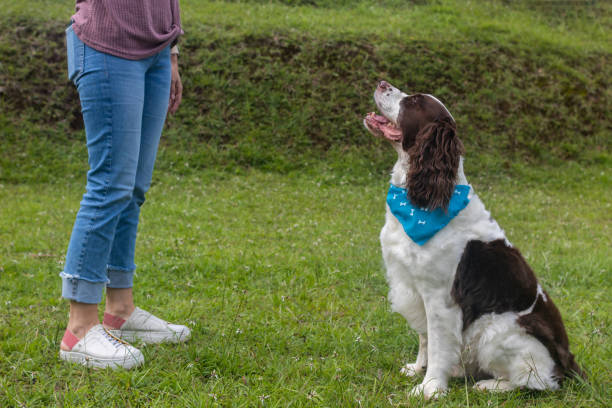

Are you tired of your dog pulling on the leash during walks? Teaching your dog to heel can make walks more enjoyable for both of you. It will also strengthen your bond and establish you as the pack leader. In this article, we will guide you through the process of teaching your dog to heel using positive reinforcement techniques. So let’s get started!
Key Takeaways:
- Teaching your dog to heel can improve leash manners and make walks more pleasant.
- Positive reinforcement training techniques are effective in teaching your dog to heel.
- Start with basic commands and gradually increase difficulty by changing pace or direction.
- Consistency and patience are key in successfully teaching your dog to heel.
- Maintaining heel walking skills requires regular reinforcement and practice in different environments.
Benefits of Teaching Your Dog to Heel
Teaching your dog to heel not only enhances their walking skills but also brings a range of benefits to their behaviour and your relationship. By mastering heel training, you establish yourself as the pack leader and strengthen the bond between you and your beloved canine companion. Additionally, heel training provides mental stimulation for your dog, contributing to their overall well-being and improving their overall behaviour. Walking your dog becomes a more enjoyable and controlled experience when they learn to walk by your side.
One of the critical benefits of teaching your dog to heel is establishing yourself as the pack leader. Dogs are pack animals and feel more secure when they have a clear leader to follow. By teaching them to heel, you assert your authority and gain their trust and respect. This not only helps in daily walks but also in other aspects of their life, such as obedience and discipline.
Heel training also provides mental stimulation for your dog. By teaching them to walk beside you, they must pay attention to your movements and maintain focus. This engagement challenges their mind and prevents them from becoming bored or restless, leading to better behaviour overall.
Moreover, teaching your dog to heel enhances their overall behaviour. With proper heel training, they learn to walk without pulling on the leash, jumping on other people, or getting distracted by passing stimuli. The structured and controlled walking experience promotes obedience and self-control, contributing to a well-behaved and mannered dog.
Overall, teaching your dog to heel is a valuable investment of time and effort. It establishes you as the pack leader, stimulates your dog mentally, and improves their behaviour. With patience, consistency, and positive reinforcement, you can enjoy pleasant and rewarding walks with your well-trained companion.
When to Start Heel Training
Heel training is an important aspect of canine obedience and dog training. It teaches your furry companion to walk politely by your side without pulling on the leash. While heel training can be started at any stage of your dog’s life, it is highly recommended to begin when they are still a puppy.
When you start heel training during your puppy’s early developmental stages, you have the opportunity to shape their behavior and instill good habits from the beginning. Puppies are more receptive to learning and can quickly adapt to new commands and routines.
To start heel training, introduce basic commands such as “sit,” “stay,” and “come.” Reward your puppy with treats and praise when they respond correctly. This positive reinforcement encourages them to follow your lead and associate heel walking with positive experiences.
Older dogs can also be trained to heel; however, it may require more time and patience. The process might take longer as older dogs might have ingrained habits and may require additional consistency and reinforcement to break those habits and learn the new behavior.
Key to successful heel training is consistency. Regardless of your dog’s age, ensure you practice regularly and use the same commands and techniques each time. Consistency will help establish clear expectations and reinforce the desired behavior.

Remember, heel training is an ongoing process that requires time, patience, and persistence. The earlier you start and the more consistent you are, the better results you will achieve. With consistent training and positive reinforcement, you can teach your dog proper leash manners and enjoy stress-free walks together. Stay committed to the process, and you’ll be rewarded with a well-behaved and obedient canine companion.
How to Teach Heel Command
To teach your dog to heel, start by practicing indoors or in an enclosed area with few distractions. This will allow your dog to focus on the training without being overwhelmed. Begin by holding a treat in your left hand, as this will encourage your dog to follow it as you walk. Make sure to keep the treat at your dog’s nose level to maintain their attention.
Reward your dog with treats and praise when they walk alongside you in the desired position. This positive reinforcement will help them understand that they are doing the right thing. Remember to use a consistent verbal cue, such as “heel,” to associate the behavior with the command.
As your dog becomes comfortable walking by your side indoors, gradually increase the distance and duration of the walks. This will help your dog build endurance and strengthen their understanding of the heel command. Vary the routine by practicing in different rooms and gradually introduce outdoor walks into the training sessions.
During your outdoor walks, it’s important to be mindful of distractions. Start in quieter areas and gradually progress to busier environments. If your dog becomes distracted or veers off course, gently redirect them with a light tug on the leash and use positive reinforcement when they return to the desired position.
Consistency is key in teaching the heel command. Practice regularly and reinforce the desired behavior with treats and praise. Over time, your dog will associate walking by your side as the default behavior. Remember, patience and positive reinforcement are essential for successful training.
Training Your Dog to Heel On Leash
Heel training can also be done while walking on a leash. This is a crucial skill to master, as it allows you to have more control and enjoy walks with your furry companion. To ensure your dog walks on a loose leash and maintains focus, follow these leash training techniques.
- Use Positive Reinforcement: Just like with off-leash training, positive reinforcement is key to leash training. Reward your dog with praise and treats when they walk calmly by your side. This reinforces the desired behavior of loose leash walking.
- Start with a Long-handled Spoon: To provide instant rewards during leash training, use a long-handled spoon coated with a tasty treat. It allows you to reward your dog while they are walking beside you, keeping their focus on you and the treat. This encourages them to maintain the desired position.
- Maintain Eye Contact: Eye contact plays a crucial role in leash training. By maintaining eye contact with your dog, you can keep their focus on you and prevent them from pulling on the leash. Remember, maintaining focus is vital for loose leash walking.
- Reduce Treat Dependency: As your dog becomes more proficient in walking on a leash, gradually reduce the use of treats. Transition to intermittent rewards or replace treats with verbal praise and petting. This ensures that your dog is not solely reliant on treats for good behavior.
- Introduce Distractions: Once your dog has mastered loose leash walking in a controlled environment, it’s time to introduce more distractions. Take your dog for walks in different locations where there may be people, other dogs, or enticing smells. This helps your dog generalize their leash training skills and practice maintaining focus even in stimulating environments.

Remember, leash training takes time and patience. Consistency is key in helping your dog understand the expectations of walking on a leash. By using these techniques and maintaining focus during walks, you can teach your dog to heel on a leash and enjoy more pleasant and controlled outings together.
Left or Right? Which Side Should Your Dog Heel On?
Traditionally, dogs are trained to heel on either side, but it is important to train them to work on both sides to avoid any imbalance. Choosing the side that is most comfortable for you and your dog is key to successful training. Whether you prefer your dog to heel on your left or right side, consistency is key to developing a strong walking routine.
Training your dog to heel on both sides provides you with more flexibility during walks. It allows you to switch sides depending on the circumstances, such as passing other walkers or avoiding obstacles. This versatility makes walks more enjoyable and easy to manage.
To ensure your dog learns walking on both sides with ease, start by establishing the heel position on one side during training sessions. Once your dog has mastered this side, gradually introduce walking on the opposite side. Use consistent cues and rewards to reinforce the desired behavior on both sides.
Remember, teaching your dog to heel on both sides requires patience and practice. Be consistent in your training and reward your dog for their effort on both sides. With time and dedication, your furry friend will become comfortable and obedient in your preferred heel position, enhancing your walking experience.
Common Challenges and How to Overcome Them
Training your dog to heel may present certain challenges, but with persistence and consistency, you can overcome them. Dogs often struggle to maintain the heel position, especially in the early stages of training. If your dog breaks out of position, it’s essential to go back a step and provide more treats and shorter distances for them to succeed. This reinforces the desired behavior and encourages them to stay in the heel position.
Avoid becoming frustrated or disheartened. Instead, remain patient and consistent in your training approach. Remember that dogs learn at their own pace, and it may take time for your dog to fully grasp the heel command. By regularly practicing and reinforcing the training, your dog will eventually learn to heel effectively.

Getting Back on Track
If your dog consistently breaks out of the heel position, consider revisiting the basics. Focus on practicing in low-distraction environments where your dog can succeed. Gradually introduce more distractions as your dog progresses. By gradually increasing the difficulty level, your dog will develop the skills needed to maintain the heel position even in challenging situations.
The Importance of Consistency
Consistency is key when training your dog to heel. Set aside regular training sessions to reinforce the desired behavior. Dogs thrive on routine and repetition, so be sure to make training a part of your daily schedule. Consistency also extends to your verbal and physical cues. Use the same commands and gestures every time you want your dog to heel, reinforcing the association between the cue and the behavior.
- Provide clear, concise commands
- Use positive reinforcement techniques such as treats and praise
- Be patient and avoid punishment-based methods
- Keep training sessions short and enjoyable for both you and your dog
- Practice regularly to maintain the learned behavior
By addressing these challenges and remaining persistent and consistent in your training efforts, you’ll successfully teach your dog to heel and enjoy the benefits of a well-behaved walking companion.
Maintaining Heel Walking Skills
Once your dog has learned to heel, it is important to maintain their skills. Consistency is key in reinforcing the behavior and ensuring long-term success. Here are some dog training techniques to help you maintain the heel walking skills:
- Reinforcement: Continue to reinforce the desired behavior with praise and occasional treats. Positive reinforcement is an effective way to encourage your dog to maintain the heel position.
- Practice in different environments: Take your dog for walks in various environments to generalize their heel walking skills. Practice in quiet streets, busy parks, or other places with different distractions.
- Gradually reduce the use of treats: As your dog becomes more proficient at heel walking, gradually reduce the frequency of treats. This helps your dog transition to walking alongside you without relying solely on treats.
- Consistent training: Maintain consistency in your training sessions. Regularly reinforce the heel command and practice walking on a leash. Even if your dog becomes proficient, occasional refreshers will help maintain their skills.
Remember, maintaining your dog’s heel walking skills requires ongoing effort. By using these dog training techniques, reinforcement, and consistency, you can ensure that your dog continues to walk beside you with proper leash manners.
Conclusion
Teaching your dog to heel is an incredibly rewarding and beneficial part of dog training. By using positive reinforcement techniques and maintaining consistency, you can successfully teach your furry companion to walk alongside you with proper leash manners.
Positive reinforcement training focuses on rewarding desired behaviours, like walking in a heel position, with treats, praise, and attention. This method not only strengthens the bond between you and your dog but also creates a positive and enjoyable learning experience for them.
Remember, patience and persistence are key when training your dog to heel. It may take time for them to fully grasp the concept, but with consistent practice and reinforcement, your well-trained dog will provide you with many pleasant walks and a newfound sense of control.