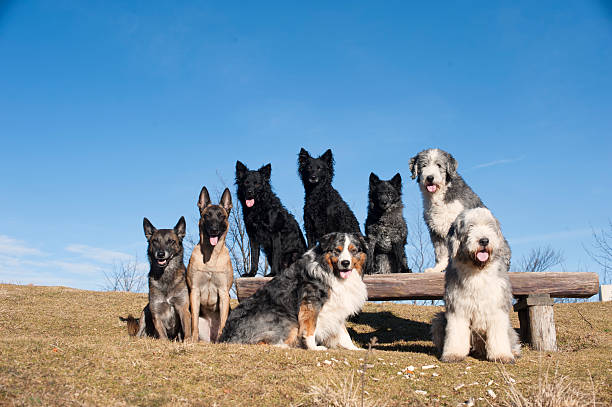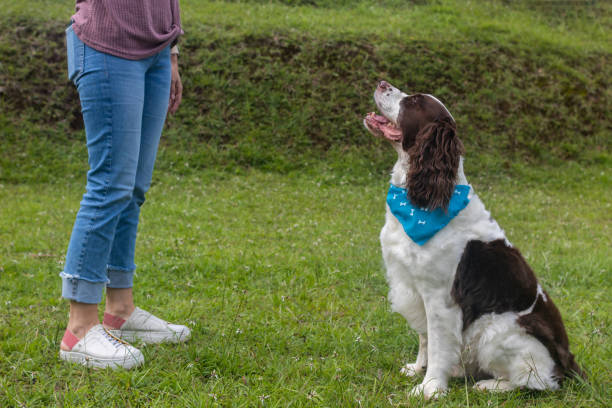

January marked the official start of National Train Your Dog Month, but you can teach easy dog tricks at any time of year. With the right techniques and practice, any dog can learn tricks. Patience and consistency are key when teaching tricks, and positive reinforcement techniques such as treats, praise, and petting should be used. Training sessions should be short and fun, and always end on a positive note.
Key Takeaways
- Teaching tricks to your dog benefits their learning abilities, obedience, and social skills.
- Use positive reinforcement techniques, such as treats and praise, to motivate and reward your dog.
- Start with easy tricks for beginners, such as teaching your dog to shake hands or play dead.
- Establish basic commands like sit, down, and stay to lay the foundation for trick training.
- Gradually introduce verbal cues to associate specific words with the tricks you are teaching.
Easy Dog Tricks for Beginners
Teaching your dog tricks can be a rewarding and fun experience for both you and your furry friend. If you’re a beginner looking to teach your dog some impressive skills, here are a few easy tricks to get you started.
1. Kiss on Command
Who doesn’t love a slobbery dog kiss? Teaching your dog to give you a kiss on command is not only adorable but also a great way to bond with them. Simply hold out your cheek or hand, say the command “kiss,” and reward them with lots of praise and a treat when they give you a smooch.
2. Bark on Command
Want to impress your friends with your dog’s barking skills? Teach your dog to bark on command by saying the word “speak” and encouraging them to bark with enthusiastic praise. Once they bark, reward them with a treat. Remember to only ask your dog to bark in appropriate situations.
3. Shake Hands
A paw-shake is a classic trick that never fails to impress. Start by gently taking your dog’s paw in your hand and say the command “shake.” Reward them with a treat and praise when they lift their paw to shake hands with you. Repeat this process until they can shake on command.
4. Fetch
Fetch is a great trick that helps your dog release some energy. Start by teaching them to retrieve a toy. Encourage them to grab the toy in their mouth and bring it back to you by using the command “fetch.” Reward them with praise and treats when they return the toy to you. Gradually increase the distance they have to fetch the toy.
5. Roll Over
Teaching your dog to roll over requires a little more patience and persistence. Start by having your dog in a lying-down position. Hold a treat near their nose and gradually move it towards their shoulder, guiding them to roll over onto their back. Once they complete the roll, reward them with treats and praise.
6. Play Dead
Play dead is a fun and impressive trick that will leave your friends in awe. Start by teaching your dog to lie down on their side. Hold a treat near their nose, and slowly move it towards the ground, causing them to roll onto their back. Once they’re lying on their back, say the command “play dead” and reward them with treats and praise.
7. Spin
Teaching your dog to spin is a cute trick that’s easy to learn. Hold a treat in front of your dog’s nose and slowly guide them in a circular motion. As they follow the treat with their nose, say the command “spin” and reward them when they complete a full circle. Repeat this process until they can spin on command.
8. Hug
A doggy hug is a heartwarming trick that will melt your heart. Start by having your dog sit in front of you. Wrap your arms around their neck gently, saying the command “hug.” Reward them with treats and praise when they lean into your hug. Remember to be gentle and always respect your dog’s boundaries.
Remember, teaching your dog tricks takes time, patience, and consistency. Use positive reinforcement techniques such as treats, praise, and petting to encourage your dog’s learning. Keep training sessions short, fun, and always end on a positive note. With practice and dedication, your dog will master these easy tricks and become the star of the show!
Basic Commands for Trick Training
Before teaching tricks, it is important to establish basic dog commands such as sit, down, and stay. These foundational commands for dog training serve as a foundation for trick training and can be used to get your dog into a position to learn a new trick.
Training sessions should focus on reinforcing these basic commands before moving on to trick training. By ensuring your dog has a solid understanding of these commands, you can effectively communicate and guide them through the trick learning process. It’s important to remember that patience and consistency are key when training your dog.
Start each training session by reviewing the basic commands with your dog. Use positive reinforcement techniques such as treats, praise, and petting to reward your dog for correctly following each command. This positive reinforcement encourages their desired behavior and strengthens their understanding of the commands.
Once your dog is consistently responding to the basic commands, you can introduce new tricks. The foundation provided by these commands will make it easier for your dog to understand and perform the new tricks you teach them.
To ensure effective and efficient training, keep the following tips in mind:
- Keep training sessions short and focused, as dogs have short attention spans.
- Use positive reinforcement techniques, such as treats and verbal praise, to motivate and reward your dog.
- Be patient and give your dog time to comprehend and execute each command.
- Practice regularly to reinforce the commands and strengthen your dog’s understanding.
By establishing a strong foundation of basic commands, you set your dog up for success in trick training. Remember to have fun and enjoy the process of teaching your dog new tricks!
Luring Your Dog with Treats
Luring with treats is a straightforward method to teach your dog tricks. By using treats strategically, you can easily guide your dog into performing specific actions and positions. For example, when teaching your dog to spin, you can hold a treat near their nose and move it in a circular motion, guiding them to follow the treat and complete the spin. The treat acts as a reward for correctly performing the desired behavior.
Using treats to lure your dog can also be effective in teaching them other tricks such as rolling over, shaking hands, or playing dead. The key is to associate the treat with the desired action and gradually reduce the reliance on the treat as your dog becomes more proficient in the trick.
Treating as a Reward and Reinforcement
The use of treats as rewards plays a crucial role in the lure training process. As your dog successfully performs the trick, it’s important to offer them the treat immediately and provide positive reinforcement through praise and affection. This helps reinforce their understanding that the behavior they exhibited was correct and desirable. Consistency in rewards and repetition of the training sessions is essential for your dog to master the trick.
Remember that each dog is unique, and their progress may vary. Some dogs may catch on quickly, while others may require more time and practice. It is important to be patient and understanding during the training process.
To ensure successful lure training, follow these simple steps:
- Start by selecting a treat that is highly motivating for your dog. It should be something they really enjoy and find rewarding.
- Hold the treat in your hand or near their nose to grab their attention and guide them into the desired position or action. For example, when teaching a dog to shake hands, hold the treat in your fist and gently touch their paw, prompting them to offer their paw in return.
- Once your dog is in the correct position or has performed the desired action, immediately reward them with the treat and offer praise and affection.
- Repeat the process consistently, gradually reducing the reliance on the treat as your dog becomes more proficient in the trick.
- Practice the trick in different environments and gradually add distractions to strengthen your dog’s ability to perform the trick under various circumstances.
Using treats to lure your dog is an effective and positive method for teaching them tricks. It allows for clear communication between you and your dog, making the learning process enjoyable and rewarding for both of you. Remember to be patient, use consistent rewards, and have fun with the training sessions.
Marking the Desired Behavior
To encourage your dog to perform tricks, it is important to mark the desired behavior with positive reinforcement, such as treats, praise, and clicker training. This technique helps your dog understand that they have done the right behavior and encourages them to continue performing tricks.
When your dog successfully performs a trick, offer them a treat and say “yes” or use a clicker to create a distinct sound. This marks the exact moment when your dog has completed the desired behavior effectively. Timing is crucial in marking the behavior accurately, as it helps your dog associate the reward with the correct action.
Using treats and praise as a form of positive reinforcement not only motivates your dog but also strengthens the bond between you and your furry friend. Treats should be small and soft, making them easily digestible and quick to consume. Offering verbal praise in a happy and enthusiastic tone also reinforces the positive behavior.
Remember to be consistent and patient when using marking techniques. Consistency in marking the desired behavior and providing rewards helps your dog understand which actions are correct and reinforces their training progress. Be sure to reward your dog immediately after they finish the trick to ensure a clear connection between the behavior and the positive reinforcement.
Additionally, clicker training can be an effective tool in marking the desired behavior. When your dog hears the clicker sound, they know they have performed the trick correctly and will be rewarded. This consistent sound can help reinforce the specific action and make it easier for your dog to understand what behavior is expected of them.
By using treats, praise, and clicker training to mark the desired behavior, you can effectively communicate with your dog and motivate them to continue learning and performing tricks. This positive reinforcement approach creates a rewarding and enjoyable training experience for both you and your furry companion.

Adding Verbal Cues
Once your dog has mastered the trick with luring and visual cues, it’s time to introduce verbal cues. Verbal cues involve associating a specific word or phrase with the trick you are teaching. This helps your dog understand what action is expected when they hear the cue. Verbal cues can be added gradually as your dog becomes more comfortable performing the trick.
When introducing verbal cues, it’s important to use consistent and clear words or phrases. Choose cues that are easy to remember and pronounce. For example, if you’re teaching your dog to sit, you might use the word “sit” or a short phrase like “take a seat”.
To associate the verbal cue with the trick, say the cue right before your dog performs the action. Make sure to say the cue in a clear and authoritative voice, so your dog understands that it is a command.
As your dog starts to understand the verbal cue, begin to phase out the visual and physical cues. Eventually, your dog should be able to perform the trick solely based on the verbal cue. Remember to keep training sessions short, fun, and positive.
When your dog successfully performs the trick after hearing the verbal cue, don’t forget to praise and reward them. Positive reinforcement is essential for reinforcing the desired behaviour and encouraging your dog to continue performing the trick.
Removing the Lure
Once your dog is comfortable performing the trick with the verbal cue, you can begin to remove the lure. This involves transitioning your dog to perform the trick with the cue alone, without the need for a treat as a lure. By removing the lure, you are encouraging your dog to rely solely on the verbal cue to perform the desired behavior.
When transitioning to cues, it is important to remember that your dog may initially be hesitant or confused without the presence of a treat. Be patient and provide clear and consistent cues to guide your dog through the process.
During the transition, positive reinforcement remains crucial. Remember to reward and praise your dog enthusiastically at the end of each successful trick to reinforce the behavior and let them know they have done well.
By gradually removing the lure, your dog will learn to associate the verbal cue with the trick and perform it reliably. This transition not only strengthens the bond between you and your dog but also demonstrates their understanding and mastery of the trick.

A dog learning to perform a trick without the presence of a treat as a lure.
Continuing Reinforcement
Once you have successfully taught your dog a trick, it is important to continue reinforcing the behavior to ensure that your dog’s skills remain sharp. Ongoing dog training is essential to maintain your dog’s ability to perform the trick consistently.
Regular practice sessions are key to reinforcing the learned tricks. By consistently practicing the trick, you are helping your dog solidify their understanding and muscle memory. This repetition strengthens the neural pathway associated with the trick, making it easier for your dog to perform it in the future. Aim to incorporate short training sessions into your daily routine to keep the trick fresh in your dog’s mind.
It’s important to remember that practicing dog tricks should be enjoyable for both you and your furry friend. In addition to their practical application, tricks can serve as a fun break during more complex training sessions. This allows your dog to succeed in a task and stay engaged with the overall training process. By providing a balance between foundational obedience training and trick practice, you ensure that your dog remains motivated and enthusiastic.
Practicing dog tricks also offers an opportunity to strengthen the bond between you and your dog. Through ongoing training sessions, you are reinforcing mutual communication and understanding. The successful completion of a trick becomes a shared accomplishment, building trust and deepening the relationship between you and your canine companion.
Remember, ongoing dog training and the practice of dog tricks provide numerous benefits, including mental stimulation, physical exercise, and a strengthened bond between you and your dog. Embrace these sessions as opportunities for positive interaction, growth, and ongoing skill development for both you and your furry friend.
Capturing and Shaping Tricks
In addition to luring, there are other methods that can be used to teach your dog tricks. Two popular techniques are capturing and shaping tricks. These alternative training methods can be particularly useful when teaching more complex tricks or strengthening your dog’s problem-solving skills.
Capturing tricks
Capturing involves rewarding your dog when they naturally perform a desired behavior without any prompting. It requires careful observation and quick reactions. For example, if your dog spontaneously jumps through a hoop, you immediately reward them with a treat and praise. This reinforces the behavior and encourages them to repeat it in the future.
When capturing tricks, it’s important to have treats readily available and be alert for any opportunities to reward your dog. This method can be effective for teaching behaviors that may be difficult to shape or lure.
Shaping tricks
Shaping is a technique that involves breaking down a trick into smaller steps and gradually shaping each step until your dog can perform the entire trick without any luring or prompting. This method requires patience and precision.
Start by rewarding your dog for any small approximation of the desired behavior. For example, if you want to teach your dog to jump through a hoop, you may begin by rewarding them for touching the hoop with their nose. Gradually, you shape their behavior by only rewarding them when they touch the hoop with their nose and have one foot in the hoop. Eventually, your dog will learn to jump through the hoop without any lures or prompts.
Shaping tricks can be a fun and challenging way to engage your dog’s problem-solving skills. It allows them to figure out the behavior on their own and reinforces their ability to learn new tricks.

By incorporating capturing and shaping into your training repertoire, you can expand your dog’s trick repertoire and enhance their overall training experience. These alternative training methods offer creative approaches to teaching complex tricks and can help your dog develop important cognitive and physical skills.
Conclusion
Teaching tricks to your dog has numerous benefits. It enhances their learning abilities, keeps them active, and boosts their social skills and obedience. Additionally, it strengthens the bond between you and your dog. With patience, consistency, and positive reinforcement techniques, any dog can learn tricks. Remember to have fun during training sessions and always end on a positive note.