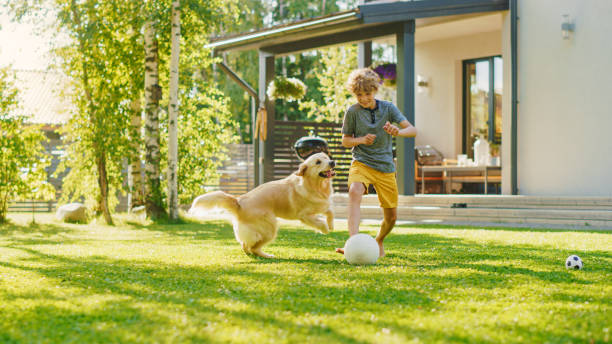

When observing dogs interacting, it can sometimes be challenging to determine whether they are playing or fighting. Understanding dog behavior and communication is essential to differentiate between the two. By observing their body language and recognizing the signs, you can ensure the safety and well-being of the dogs involved.
Key Takeaways:
- Play is a natural behavior for dogs and includes playful expressions such as the play bow and open-mouthed grin.
- Signs of aggression in dogs include a stiff body, raised hackles, closed mouth, and curled lip.
- Dogs engaged in play willingly make themselves vulnerable and exhibit reciprocal play behaviors.
- Warning signs of a real fight include attempts to get away, a tucked tail, and a low warning growl.
- Ensuring safe dog-wrestling involves prioritizing their safety, preventing ganging up, and keeping food and toys out of play.
By understanding the differences between play and fighting behaviors, intervening safely in a fight, and seeking veterinary care when necessary, you can create a safe and harmonious environment for your dogs to enjoy their playtime.
Understanding Dog Play
Play is a natural and important behavior for dogs, especially during their early development. When dogs are engaged in play, there are several signs that indicate their playful behavior. Understanding these signs can help dog owners and observers differentiate between playful interactions and aggressive behavior.
One common sign of play in dogs is the “play bow.” This is when a dog lowers its front end and raises its back end into the air, creating an unmistakable pose. The play bow is a clear signal that the dog is ready to engage in playful behavior and is inviting others to join in the fun.
Another sign of play in dogs is the “open-mouthed grin.” This is when a dog pulls back its lips, exposing its teeth, in a relaxed and friendly manner. The open-mouthed grin is often accompanied by a wagging tail and bouncy movements, indicating a joyful and playful state.
During play, dogs may also engage in exaggerated movements, such as running in circles, jumping, and playfully chasing each other. These movements are energetic and enthusiastic, showcasing the dog’s enjoyment of the play session.
While it may seem counterintuitive, loud growling and snarling during play is actually normal and should not be mistaken for aggression. Dogs may vocalize during play to express their excitement and enthusiasm. It is important to consider the overall body language and context of the interaction to determine whether it is playful or aggressive.
Understanding these signs of play in dogs is crucial for dog owners and anyone observing dog interactions. By recognizing these signals, dog owners can foster a safe and enjoyable play environment for their pets. Recognizing play behavior can also help prevent misinterpretation and unnecessary intervention in harmless play sessions.
Next, let’s explore the signs of dog aggression and how to differentiate between play and fighting behaviors.
Signs of Dog Aggression
Differentiating between play and aggression requires understanding the signs of dog aggression. When dogs are aggressive, their bodies may become stiff, and the hair on their backs (known as hackles) may be raised. They may exhibit a closed mouth, a curled lip, and snarling. Aggressive behavior is characterized by quick and efficient movements, with no bouncing around or taking turns.
To determine if a dog is showing signs of aggression, pay attention to their body language. A stiff body language is a key indicator, as it suggests tension and readiness for a potential threat. Additionally, raised hackles, the fur along the spine, can indicate an escalated arousal level or defensiveness. A closed mouth and a curled lip are also signs of aggression, as the dog may be preparing to bite or warn the other dog to back off.
It is important to remember that not all dogs exhibit the same signs of aggression. Some dogs may show aggression without raising their hackles, while others may display aggressive behaviors without curling their lips. Therefore, it is essential to consider the entire context and the dog’s overall body language to accurately assess their behavior.
When observing dogs interacting, it is crucial to be mindful of their movements. Aggressive dogs typically exhibit quick and efficient movements, aiming to intimidate or attack their target. Unlike play behavior, where dogs engage in bouncy movements and take turns, aggressive behavior is focused, intense, and lacks the cooperative nature of play.

Understanding the signs of dog aggression is vital to ensure the safety of your pet and other dogs in their environment. By recognizing the body language signals such as a stiff body, raised hackles, closed mouth, and curled lip, you can intervene appropriately and prevent potential conflicts. If you notice any signs of aggression, it is best to separate the dogs and consult with a professional dog trainer or behaviorist to address the underlying issues.
Differentiating Play and Fighting Behaviors
Dogs engaged in play-fighting behaviors willingly make themselves vulnerable by “falling” down, exposing their bellies, and allowing themselves to be caught during games like chase. Playful dogs will take turns chasing each other, displaying reciprocal play. It is important to note that even during play-fighting, dogs may exhibit behaviors such as growling and snarling, but these are exaggerated and not indicative of real fighting.
In their playfulness, dogs understand the difference between friendly interactions and genuine aggression. They voluntarily put themselves in vulnerable positions, such as rolling over or exposing their bellies, to show that they are not a threat. This play-fighting behavior is their way of communicating that they are engaging in mock combat rather than engaging in actual fighting.
During play, dogs establish and respect boundaries, taking turns being the dominant and submissive player. The concept of “reciprocal play” is crucial in differentiating play from fighting. When dogs engage in reciprocal play, they demonstrate fairness and cooperation, alternating between chasing and being chased, with no intent to harm or dominate.
It is important for dog owners to understand and recognize these play-fighting behaviors to ensure the well-being and safety of their furry companions. By observing their dogs’ body language and recognizing the signs of play, owners can confidently allow their dogs to engage in healthy play while still maintaining a watchful eye for any signs of escalation.
Warning Signs of a Real Fight
When dogs are involved in a serious fight, there are clear signs that indicate it is not playful behavior. Dogs may try to get away from each other, with a tucked tail and a body language that is not happy or bouncy. A low warning growl, closed mouth, and curled lip may also be present. Unlike play, real fights do not involve bouncing around or taking turns, and the dogs will not continue to engage in the behavior.

In a real dog fight, dogs will display specific behaviours that distinguish it from play. One of the first signs is when dogs try to get away from each other. They may attempt to move in opposite directions or create distance between them. The body language of dogs involved in a fight is often tense and their tails are tucked between their legs.
Another sign of a real fight is the presence of a low warning growl. This growl is more intense and threatening than the growls heard during playful interactions. Dogs engaged in a real fight may also display a closed mouth and a curled lip, showing their aggression and readiness for combat.
Unlike play, real fights do not involve bouncing around or taking turns. The dogs will not continue to playfully chase each other or exhibit reciprocal play behavior. Instead, a real fight is characterized by aggressive movements without a playful intent.
Ensuring Safe Dog-Wrestling
When it comes to dog park safety, not every dog is suited for the wild play that can occur there. Some dogs may be better off playing at home or with familiar dog buddies where their safety can be prioritized. Preventing dogs from being ganged up on is crucial to avoid potential trauma and fearfulness. It is essential to create an environment where each dog can engage in safe and enjoyable play.
One way to ensure safe dog-wrestling is by keeping food and toys out of play. Possessive behaviors over food or toys can quickly escalate to aggression, leading to potential conflicts among the dogs. Therefore, it’s important to remove any temptations that may trigger possessive behavior and disrupt the harmonious play. Keeping the focus on social interaction and physical activity can help prevent potential conflicts.
In addition, it is crucial to be vigilant and observe the dynamics among the dogs. If you notice any signs of aggression or tension, it is best to separate the dogs before the situation escalates. Intervening early can help prevent potential fights and keep the atmosphere at the dog park friendly and enjoyable for everyone.
Remember, ensuring safe dog-wrestling is not only about preventing fights but also about creating a positive and happy environment where dogs can freely express themselves and socialize with their furry friends. By being proactive and attentive, you can promote a safe and enjoyable experience for both dogs and their owners.
Intervening in a Fight
If a dog fight does occur, it is essential to intervene safely and effectively. The first rule of thumb is to avoid attempting to separate the dogs by grabbing their collars or using any part of your body, as this may escalate the situation and result in injuries for both you and the dogs involved.
Instead, it is recommended to use distractions to redirect their focus and separate them safely. Loud noises, such as an air horn or a sudden, sharp clap, can startle the dogs and break their concentration. Another option is to spray water directly onto the dogs’ heads, as this can distract and disengage them.
If the fight persists, it might be necessary to physically separate the dogs. To do this safely, it is advised to use a large, flat object like a piece of plywood or a sturdy baby gate. Approach the dogs calmly and slowly, placing the barrier between them in a way that creates a physical barrier while keeping your body out of harm’s way.
Distractions to Break Up a Dog Fight:
- Use loud noises, such as an air horn or a sudden clap.
- Spray water directly onto the dogs’ heads to distract them.
Safety Measures When Physically Separating Dogs:
- Use a large, flat object like a piece of plywood or a sturdy baby gate.
- Approach the dogs calmly and slowly.
- Position the barrier between them to create a physical separation.

Recovery After a Fight
After a dog fight, it is essential to seek veterinary care for your dog, even if there are no visible injuries. The physical and emotional toll of a fight can have lasting effects on your pet, and professional attention is necessary for their well-being.
Veterinarians play a crucial role in assessing the dog fight aftermath and providing appropriate treatment. They can thoroughly examine your dog for any internal damage that may not be immediately apparent. Internal injuries may include bruising, organ damage, or internal bleeding. Additionally, vets can ensure that there are no external injuries that may have been missed, such as bite wounds or torn skin.
Prompt medical attention is crucial in the recovery process. Even if your dog does not exhibit visible signs of injury, seeking veterinary care helps prevent any potential complications. It also allows for early intervention in case of underlying issues that could worsen over time. Your vet may also recommend specific care instructions, such as wound management or medication, to aid in your dog’s recovery.
It is important to remember that dogs may not always show immediate symptoms of distress or pain, especially in the aftermath of a fight. Regular check-ups and follow-up visits to the vet can help identify any lingering effects and ensure proper care to address them.
Aside from physical injuries, fights can also impact a dog’s emotional well-being. Some dogs may develop fear or anxiety as a result of the incident. A veterinarian can provide guidance on managing these emotional effects and may recommend behavioral interventions or referrals to a qualified professional if necessary.
To support your dog’s recovery, create a calm and safe environment at home. Limit physical activity and monitor their behavior closely for any signs of discomfort or distress. It is crucial to provide them with ample rest time and keep them away from potential triggers that may cause further aggression.
In conclusion, seeking veterinary care after a dog fight is vital for your pet’s recovery. Regular check-ups, thorough examinations, and proper treatment can address both internal and external injuries, ensuring your dog’s well-being. Remember, your veterinarian is your trusted partner in helping your dog overcome the aftermath of a fight and move towards a healthy and happy life.
Conclusion and Final Thoughts
Understanding the difference between dog play and fighting is crucial for pet owners to ensure their dogs’ safety and well-being. By observing their body language and recognizing the signs of play and aggression, owners can intervene when necessary and provide a safe environment for their furry friends to engage in healthy play. It is important to address any signs of aggression promptly and seek veterinary care after a fight to prevent future incidents and promote the overall happiness and well-being of dogs.
Being able to differentiate between play and fighting behaviors allows owners to make informed decisions, such as whether to allow their dogs to engage in rough play or separate them to prevent potential harm. Recognizing the signs of dog aggression, such as stiff body language and raised hackles, can help prevent potentially dangerous situations and ensure a harmonious interaction between dogs.
In conclusion, responsible pet ownership involves not only providing a loving home but also understanding and managing dog behaviors effectively. By being attentive to our dogs’ communication cues and taking appropriate action when needed, we can create a safe and enjoyable environment for our furry companions. Remember, it is always better to err on the side of caution and seek professional advice if any concerns arise.