
Is your furry friend experiencing food allergies or sensitivities? If so, it’s essential to consider hypoallergenic diet options to help alleviate their discomfort and ensure their well-being. Hypoallergenic dog food is specially formulated to be safer for a dog’s digestion, reducing the risk of adverse reactions. In this article, we will explore the benefits of hypoallergenic dog food and provide insights on finding the best options for your canine companion.
Key Takeaways:
- Hypoallergenic dog food is designed to be safer for a dog’s digestion and contains ingredients that are less likely to trigger adverse reactions.
- While hypoallergenic dog food is free from common allergens, it may still cause reactions if a dog has a specific food allergy.
- Grain-free dog food is not necessarily hypoallergenic, so it’s important to pay attention to the ingredients list.
- There are various hypoallergenic dog food brands available, offering dry and wet options to cater to different dietary needs.
- Alongside hypoallergenic dog food, there are also hypoallergenic treats and options for dogs with sensitive stomachs.
What is Hypoallergenic Dog Food?
Hypoallergenic dog food is specially formulated to be gentler on a dog’s digestion and minimize the risk of triggering adverse reactions. It is carefully crafted with ingredients that are less likely to cause allergies or sensitivities in dogs, making it an ideal choice for those with food allergies or intolerance.
This type of dog food is free from preservatives, artificial colours, and flavours, ensuring that only natural ingredients are used. By eliminating these potential irritants, hypoallergenic dog food provides a healthier and more nutritious option for your furry friend.
With its focus on natural ingredients, hypoallergenic dog food aims to provide dogs with a well-balanced diet that supports their overall health and well-being. These natural ingredients often include high-quality proteins, wholesome grains, and nutrient-rich fruits and vegetables.
When you choose hypoallergenic dog food, you can have peace of mind knowing that you are providing your canine companion with a diet that is tailored to their specific needs. Whether your dog has known allergies or you simply want to take a proactive approach to their health, hypoallergenic dog food is an excellent choice.
By opting for hypoallergenic dog food with natural ingredients, you can help to ensure that your dog receives the necessary nutrients and goodness without the risk of triggering allergic reactions or digestive issues.
Can Dogs be Allergic to Hypoallergenic Food?
If your dog has specific food allergies, such as to sweet potato, lamb, or peas, it’s important to note that they may still experience allergic reactions even when consuming hypoallergenic dog food. Hypoallergenic dog food is designed to avoid common allergens like beef, grains, dairy, and artificial additives or preservatives. However, if the hypoallergenic dog food contains ingredients that your dog is allergic to, it can still trigger a reaction.
To ensure the safety of your dog with food allergies, it’s crucial to carefully review the ingredients list on hypoallergenic dog food products. Look for hypoallergenic options that exclude the specific ingredients your dog is allergic to.
Difference Between Grain-Free and Hypoallergenic Dog Food
When it comes to choosing the right food for your dog, it’s essential to understand the difference between grain-free and hypoallergenic options. While many dogs are allergic to grains, not all grain-free dog food is necessarily hypoallergenic.
Grain-free dog food refers to products that are formulated without any grains, such as wheat, corn, or soy. These ingredients are often sources of allergies for dogs, so avoiding them can be beneficial to their overall health. Grain-free options are known for being easier to digest and are usually gentler on a dog’s gut.
On the other hand, hypoallergenic dog food is specifically formulated for dogs with food allergies or sensitivities. It aims to minimize the risk of triggering an allergic reaction by using carefully selected ingredients that are less likely to cause adverse reactions.
Most hypoallergenic dog food is grain-free as it is considered safer for a dog’s gut and less likely to cause allergies. However, it’s important to note that not all grain-free food is hypoallergenic. Some grain-free options may still contain ingredients that a dog may not respond well to, such as certain meats or additives.
When choosing the right dog food for your furry friend, always pay attention to the list of ingredients. Look for hypoallergenic dog food options that are free from potential allergens and contain limited, high-quality ingredients. Monitor your dog’s response to any dietary changes and consult with your veterinarian if you have any concerns.

Hypoallergenic Dog Food and Treats
Hypoallergenic dog food and treats are crafted with care, using natural, wholesome ingredients that contribute to the well-being of your furry friend. These specially formulated products do not contain any meat meal, artificial additives, or fillers that could potentially trigger allergic reactions. Instead, they provide the wholesome goodness of proper meat and vibrant vegetables, ensuring that your dog receives a nutritious and balanced diet.
When it comes to hypoallergenic dog food, the focus is on selecting ingredients that are less likely to cause adverse reactions in dogs with food allergies or sensitivities. These foods are designed to be gentle on the stomach and promote optimal digestion. By offering a selection of recipes that exclude common allergens, such as grains, dairy, and artificial ingredients, hypoallergenic dog food options provide a nourishing alternative for dogs with specific dietary requirements.
Wholesome Goodness in Every Bite
One of the key benefits of hypoallergenic dog food and treats is the emphasis on using natural, high-quality ingredients. These recipes often feature real meat, such as chicken or turkey, as the primary protein source, which provides essential nutrients and contributes to muscle development and repair. In addition, vibrant vegetables, including peas, carrots, and sweet potatoes, are included to enhance the nutritional value of the meals.
Unlike conventional dog food products, hypoallergenic options are free from unnecessary fillers and by-products, ensuring that every bite delivers wholesome goodness. By excluding common allergens and artificial additives, these recipes promote overall health and well-being, optimizing your dog’s nutrition and minimizing the risk of digestive discomfort or allergic reactions.
One highly regarded brand of hypoallergenic dog food is Pro Plan Veterinary Diets. With its focus on safety and nutrition, Pro Plan Veterinary Diets offers a range of options that cater to different dietary needs and preferences, ensuring that your dog receives the best care possible.
When choosing hypoallergenic dog food and treats, it’s essential to consider your dog’s specific needs and consult with a veterinarian to determine the most suitable options. By prioritizing your dog’s health and providing them with the nutrition they need, you can help them live a happy and allergy-free life.
Top Hypoallergenic Dog Food Brands
When it comes to choosing the right hypoallergenic dog food for your furry friend, it’s important to consider reputable brands that prioritize quality and allergen-free ingredients. Here are some of the top hypoallergenic dog food brands:
1. Pro Plan Veterinary Diets
Pro Plan Veterinary Diets offers a range of hypoallergenic dog food options that are specially formulated to meet the unique needs of dogs with food sensitivities. Their recipes are crafted with carefully selected ingredients to minimize the risk of triggering allergies while providing essential nutrients.
2. Royal Canin Veterinary Health Nutrition
Royal Canin Veterinary Health Nutrition is another trusted brand that provides hypoallergenic dog food solutions. Their formulas are designed to support dogs with specific dietary needs, taking into account potential allergens and digestive sensitivities. With their extensive research and expertise, Royal Canin aims to optimize canine health.
3. Hill’s Science Plan
Hill’s Science Plan offers hypoallergenic dog food options that cater to dogs with food allergies or sensitivities. Their recipes are crafted using high-quality ingredients and are tailored to provide balanced nutrition while avoiding common allergens.
These brands prioritize the well-being and dietary needs of dogs, ensuring that every meal is packed with essential nutrients and free from potential allergens. Remember to consult with your veterinarian to determine the best hypoallergenic dog food brand and specific formula for your pet’s individual needs.

Hypoallergenic Dog Food Products and Prices
When it comes to hypoallergenic dog food, there is a wide variety of products available on the market to suit different preferences and budgets. Whether you prefer dry or wet options, you can find hypoallergenic dog food that meets your dog’s dietary needs.
Prices for hypoallergenic dog food can vary depending on the brand and size of the product. It’s important to note that higher prices don’t always translate to better quality. You can find high-quality hypoallergenic dog food at affordable prices. Let’s take a look at a couple of examples:
Pro Plan Veterinary Diets Canine HA Hypoallergenic Dry Dog Food (11kg)
This 11kg bag of hypoallergenic dry dog food from Pro Plan Veterinary Diets is designed to be gentle on your dog’s stomach. It is formulated with carefully selected ingredients and is free from common allergens. This product is priced at £58.19, making it a cost-effective choice for pet owners who want to provide their dogs with a hypoallergenic diet.
Royal Canin Veterinary Health Nutrition Hypoallergenic Adult Dry Dog Food (2kg-14kg)
This range of hypoallergenic dry dog food from Royal Canin Veterinary Health Nutrition offers options in different sizes to cater to your dog’s needs. With the price ranging from £20.29 for a 2kg bag to £84.49 for a 14kg bag, you can choose the size that suits your budget and the consumption rate of your furry friend.
Remember, the prices mentioned here are just examples, and there are many other hypoallergenic dog food products available in the market with varying prices. It is essential to consider your dog’s specific dietary requirements and consult with a veterinarian if you have any concerns or questions about the best hypoallergenic dog food for your pet.
Hypoallergenic Treats for Dogs
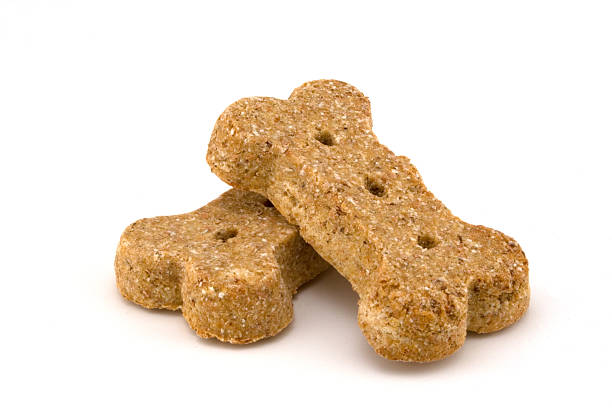
In addition to hypoallergenic dog food, there are also hypoallergenic treats available for dogs. These treats are made with natural ingredients and do not contain any common allergens, making them a safe option for dogs with allergies or sensitive stomachs.
Hypoallergenic treats for dogs are carefully crafted to provide a delicious and nutritious snack without triggering any adverse reactions. They are often made with wholesome ingredients like lean meats, fruits, and vegetables, ensuring that your furry friend receives the nourishment they need without compromising their health.
These treats are free from common allergens such as grains, artificial additives, and fillers. By eliminating these potential triggers, hypoallergenic treats help to support your dog’s digestive system and overall well-being.
When selecting hypoallergenic treats, it’s essential to read the ingredient list carefully to ensure they align with your dog’s specific dietary needs. Look for treats that are formulated without any known allergens, such as corn, soy, wheat, or dairy. Opting for treats with a limited number of ingredients can also help to minimize the risk of triggering an allergic reaction.
Benefits of Hypoallergenic Treats
Hypoallergenic treats offer several benefits for dogs with allergies or sensitive stomachs:
- Safe and gentle: Hypoallergenic treats are designed to be safe and gentle on your dog’s digestive system. They reduce the risk of adverse reactions, allowing your furry friend to enjoy a tasty treat without discomfort.
- Nutritious and balanced: These treats are packed with wholesome ingredients that provide essential nutrients for your dog’s overall health and well-being.
- Supports allergy management: By avoiding common allergens, hypoallergenic treats can help support the management of allergy symptoms in dogs, promoting their overall comfort.
- Tasty and satisfying: Despite being hypoallergenic, these treats are still delicious and satisfying for dogs. They come in a variety of flavors and textures, ensuring there’s something to tempt even the pickiest eaters.
If you’re unsure about which hypoallergenic treats to choose for your dog, consult with your veterinarian. They can provide guidance tailored to your dog’s specific needs and help you find the best treats for their allergies or sensitive stomach.
Remember, treats should always be given in moderation and as part of a balanced diet. Incorporating hypoallergenic treats into your dog’s routine can be a great way to reward them while addressing their dietary sensitivities.
With hypoallergenic treats, you can spoil your furry companion with a tasty snack that accommodates their unique dietary requirements and keeps their tail wagging with joy.
Sensitive Stomach Dog Food Options
Alongside hypoallergenic dog food, there are specific options available for dogs with sensitive stomachs. These foods are formulated to be easily digestible and gentle on the stomach, reducing the risk of digestive issues and discomfort. Sensitive stomach dog food is designed to provide optimal nutrition while minimizing the chances of gastrointestinal upset.
Sensitive stomach dog food typically includes easily digestible proteins, such as chicken, turkey, or fish, as well as ingredients like rice or sweet potato that are gentle on the digestive system. These formulations often exclude common irritants like wheat, soy, and corn, which can trigger digestive sensitivities in some dogs.
When selecting the right sensitive stomach dog food for your furry friend, it’s essential to consider their specific dietary needs and consult with your veterinarian. They can provide guidance and help you choose a high-quality, balanced diet that is appropriate for your dog’s individual requirements.
Some popular brands that offer sensitive stomach dog food options include Hill’s Science Plan Sensitive Stomach & Skin, Royal Canin Digestive Care, and Purina Pro Plan Sensitive Skin & Stomach. These brands prioritize the well-being of dogs with sensitive stomachs, ensuring they receive the proper nourishment without sacrificing taste or nutritional value.
Benefits of Sensitive Stomach Dog Food
Choosing a sensitive stomach dog food can bring numerous benefits to your pet’s overall health and well-being. Here are some advantages of opting for this specialized diet:
- Improved Digestion: Sensitive stomach dog food is formulated to be highly digestible, reducing the likelihood of digestive upset and promoting optimal nutrient absorption.
- Reduced Food Sensitivities: These diets are carefully crafted to exclude common allergens and irritants, minimizing the risk of triggering sensitivities or allergies in dogs with delicate stomachs.
- Supports Gut Health: Sensitive stomach dog food often contains added prebiotics and probiotics, which can help promote a healthy gut microbiome and support digestive function.
- Enhanced Nutritional Value: Despite being gentle on the stomach, sensitive stomach dog food is still packed with essential nutrients, ensuring your dog receives the nourishment they need to thrive.
- Reduced Discomfort: Dogs with sensitive stomachs may experience bloating, gas, or discomfort after meals. Switching to a sensitive stomach diet can help alleviate these symptoms and improve your pet’s overall comfort.
Remember, each dog is unique, and what works for one may not work for another. It’s important to closely monitor your dog’s response to the new food and make adjustments as needed. If you notice any adverse reactions or worsening of symptoms, consult with your vet to explore alternative options.
Limited Ingredient Dog Food Options
If your dog has food allergies, limited ingredient dog food can be an excellent choice. These specially formulated foods contain a minimal number of carefully selected ingredients, reducing the chances of triggering an allergic reaction. Limited ingredient dog food is often free from common allergens such as grains, dairy, and artificial additives, making it a safe and nutritious option for your furry friend.
By eliminating potential allergens from your dog’s diet, limited ingredient dog food helps to alleviate uncomfortable symptoms and promote better overall health. The simplified ingredient list also makes it easier to identify and address any specific dietary sensitivities your dog may have.
When choosing limited ingredient dog food, be sure to look for high-quality brands that prioritize the health and safety of your dog. It’s essential to read the product labels carefully and consult with your veterinarian to ensure you select the most suitable option for your pet’s unique needs.

Finding the Best Dog Food for Allergies
When it comes to choosing the best dog food for allergies, it’s essential to take into account your dog’s specific needs and allergies. Every dog is unique, and what works for one may not work for another. That’s why consulting with a veterinarian is crucial in determining the most suitable hypoallergenic or limited ingredient dog food for your furry friend.
A veterinarian can provide valuable guidance and expertise in identifying potential allergens and recommending the best course of action for your dog’s dietary needs. By conducting allergy tests or elimination diets, they can determine which ingredients your dog should avoid. Armed with this knowledge, you can then select a dog food that is free from those allergens while still meeting your dog’s nutritional requirements.
Once you have chosen a hypoallergenic or limited ingredient dog food, it’s important to monitor your dog’s response to the new diet. Keep an eye out for any signs of adverse reactions or gastrointestinal issues. If necessary, make adjustments to the food choice or portion sizes as recommended by your veterinarian. Your pet’s health and well-being should always be the top priority.