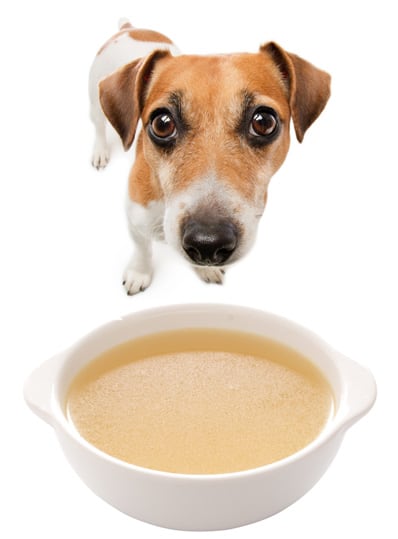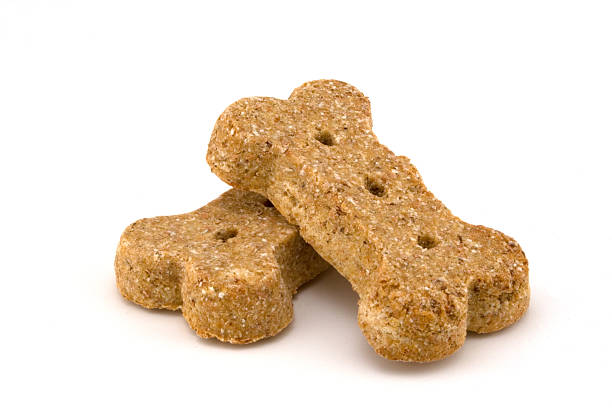

When it comes to feeding your dog, finding the right balance of nutrition is crucial. Many pet owners wonder whether it’s beneficial to mix wet and dry dog food. In this article, we will explore the tips and best practices for combining wet and dry dog food, as well as the benefits and considerations of this feeding method.
Key Takeaways:
- Mixing wet and dry dog food can offer numerous benefits for your furry friend.
- Consult with your vet to ensure you’re providing the right balance of food for your dog’s age and health needs.
- Benefits include improved variety, enrichment, and customisable meals.
- Considerations include potential nutritional imbalances, weight gain, increased waste, and added inconvenience.
- Transitioning to a mixed diet should be done gradually, taking into account your dog’s preferences and dietary requirements.
Why Mix Wet And Dry Dog Food?
Mixing wet and dry dog food can provide improved variety and enrichment for your furry friend. It can be especially beneficial for picky eaters, as the wet food adds flavor and appeal. You can customize the meals to meet your dog’s preferences and dietary requirements. There are various techniques you can use to mix wet and dry dog food, such as layering or mixing in separate bowls.
Adding Flavor and Appeal
For picky eaters, incorporating wet dog food into dry dog food can be a game-changer. Wet food has a stronger smell and richer flavor, making it more enticing for dogs who are reluctant to eat their dry kibble. By mixing the two, you can enhance the overall taste and texture, making mealtime a more enjoyable experience for your four-legged friend.
Customizing Meals
By combining wet and dry dog food, you have the flexibility to create customized meals based on your dog’s preferences and dietary needs. You can adjust the ratio of wet to dry food to ensure your dog receives the right balance of nutrients. This versatility allows you to cater to their individual taste preferences and address any specific health concerns they may have.
Mixing Techniques
When it comes to mixing wet and dry dog food, there are several techniques you can try. One method is layering, where you alternate layers of wet and dry food in a bowl or dish. Another option is to mix the two types of food together in separate bowls to maintain distinct flavors and textures. Experiment with different mixing techniques to find what works best for your dog.
Tips For Mixing Wet And Dry Dog Food
When it comes to mixing wet and dry dog food, there are a few tips that can help you ensure a smooth transition for your furry friend. It’s important to start by talking with your vet or retailer to get the right advice and guidance based on your dog’s specific needs. They can help you determine the right amount of each food type to include in your dog’s diet.
Maintaining portion control is another crucial aspect of mixing wet and dry dog food. It’s easy to unintentionally overfeed your dog, which can lead to weight issues and health risks. By carefully measuring the portions of both wet and dry food, you can keep your dog’s diet balanced and controlled.
When making the switch to a mixed diet, it’s best to make the change gradual. Abrupt changes in diet can upset your dog’s digestive system, leading to discomfort and potential digestive issues. Start by gradually incorporating small amounts of wet food into your dog’s dry food, increasing the proportion over time. This allows your dog’s digestive system to adjust and ensures a smoother transition.
Remember, it doesn’t have to be an all-in-one transition. You can choose to serve wet and dry food separately, providing meals at different times or in separate bowls. This approach allows you to monitor your dog’s intake of each type of food and make adjustments as needed.
Finally, don’t forget the water! It’s essential to make sure your dog has access to fresh water at all times. Whether you’re feeding wet or dry food, water is crucial for your dog’s overall hydration and digestion.

By following these tips and guidelines, you can ensure a successful transition to mixing wet and dry dog food in your pet’s diet. Remember to consult with your vet or retailer for personalized advice, maintain portion control, make the change gradual, serve wet and dry food separately if desired, and always provide fresh water. Your dog will appreciate the variety and nutritional benefits that come from a balanced mixed diet.
Benefits Of Mixing Wet And Dry Dog Food
Mixing wet and dry dog food offers a range of benefits for your furry friend. One of the key advantages is the improved variety it provides in your dog’s meals. By combining different textures and flavors, you can prevent boredom and ensure your dog enjoys each mealtime.
In addition to variety, mixing wet and dry dog food can also provide enrichment for your dog’s mental stimulation. You can incorporate feeding toys and puzzles into their mealtime routine, offering them a fun challenge while they eat.
Customizable meals are another advantage of mixing wet and dry dog food. You have the freedom to cater to your dog’s individual preferences and nutritional needs. Whether your dog has specific dietary requirements or is a picky eater, you can create a meal that satisfies their taste and health requirements.
This mixing method is particularly beneficial for dogs with specific health conditions. For example, if your dog needs a special diet due to allergies or digestive issues, combining wet and dry food can help meet their unique needs.
Considerations When Mixing Wet And Dry Dog Food
While mixing wet and dry dog food has its benefits, there are important considerations to keep in mind. Nutritional imbalance can occur if the portions are not properly balanced. It’s crucial to ensure that you’re providing the right amount of each food type to meet your dog’s dietary needs. Consulting with your vet or a pet nutritionist can help you determine the ideal ratio.
Another consideration is the potential for weight gain. Wet food tends to be higher in calories than dry food, so it’s important to manage portions carefully. Overfeeding can lead to excess weight, which can have negative impacts on your dog’s health. Monitoring their weight and adjusting the amounts accordingly is essential.
When mixing wet and dry food, it’s important to be aware of the increased waste that may result. Wet food can spoil faster, especially if left out for an extended period. It’s recommended to refrigerate any uneaten wet food to prevent spoilage. Additionally, mixing can be more time-consuming, as you may need to prepare and serve the two types of food separately.

Overall, there are added inconveniences involved when mixing wet and dry dog food. However, with proper planning and organization, these challenges can be minimized. It’s important to consider your lifestyle and schedule when deciding whether mixing wet and dry food is the right choice for you and your dog.
Making The Decision
When it comes to deciding whether to mix wet and dry dog food, it’s important to consider factors such as cost, convenience, and your dog’s individual needs. Mixing wet and dry dog food can offer a balanced diet that combines the benefits of both types of food. If you choose to mix, it’s essential to follow best practices for combining wet and dry dog food.
One of the best practices is to transition gradually from wet to dry dog food if needed. This allows your dog’s digestive system to adjust to the new food and reduces the chances of any gastrointestinal issues. Start by mixing a small amount of dry food with wet food and gradually increase the ratio over time. This transition period can vary depending on your dog’s tolerance and preference, so it’s important to monitor their response and make adjustments accordingly.
Properly managing the portions is also crucial when combining wet and dry dog food. This ensures that your dog receives the right amount of nutrition without overfeeding. Consult the feeding guidelines provided by the dog food manufacturer or consult with your vet to determine the appropriate portions for your dog’s size, age, and activity level. Remember to adjust the portions as your dog’s needs change over time.
Meeting your dog’s specific nutritional requirements is another key aspect of combining wet and dry dog food. Different dogs have different nutritional needs based on their breed, age, and any existing health conditions. It’s essential to choose high-quality dog food that meets these specific requirements. Consulting with your vet or a pet nutritionist can provide valuable guidance in selecting the right combination of wet and dry food for your dog’s optimal health.
As with any dietary changes, it’s important to monitor your dog’s overall well-being when transitioning to a mixed diet. Look for signs of improved digestion, increased energy levels, and a healthy coat. If you notice any changes in your dog’s health or behavior that cause concern, consult your vet for further guidance.
The decision to mix wet and dry dog food ultimately depends on your dog’s individual needs and preferences. By following best practices for combining wet and dry dog food and considering your dog’s nutritional requirements, you can make an informed decision that promotes their health and happiness.
Expert Advice On Mixing Wet And Dry Dog Food
When it comes to mixing wet and dry dog food, it’s always a good idea to seek expert advice. Your vet or a pet nutritionist can provide valuable guidance to ensure your dog receives the optimal balance of nutrients. They can help you determine the right portion sizes, recommend appropriate mixing techniques, and address any specific considerations based on your dog’s breed, size, and health condition.
One helpful resource to consider is a dog food mixing guide. This guide can provide insights into the proper ratios and methods for mixing wet and dry dog food. It can serve as a reference to ensure you are combining the two types of food in the most effective and nutritious way.
Additionally, professionals can advise you on the best techniques for preserving the freshness and quality of the wet food. They can help you understand the benefits of different mixing methods, such as layering or mixing in separate bowls, to cater to your dog’s preferences and dietary needs.
Remember, every dog is unique, and their dietary requirements can vary. By consulting with experts and utilizing resources like a dog food mixing guide, you can make informed decisions that promote your dog’s well-being and ensure they receive a balanced and nutritious diet.
The Pros And Cons Of Mixing Wet And Dry Dog Food
Mixing wet and dry dog food can have both advantages and disadvantages. It’s important to weigh the benefits against the potential drawbacks before deciding on the best feeding option for your furry friend.
The Benefits of Wet and Dry Dog Food Mixing
There are several benefits to mixing wet and dry dog food:
- Improved Variety: Mixing wet and dry dog food provides your pet with a wider range of flavors, textures, and aromas. This variety can help prevent mealtime boredom and keep your dog excited about their food.
- Enrichment: Different feeding toys and puzzles can be utilized when combining wet and dry dog food, providing mental stimulation and enrichment for your furry companion.
- Customisable Meals: Mixing wet and dry dog food allows you to tailor your dog’s meals to their specific preferences and dietary needs. You have the flexibility to adjust the ratios based on their age, size, and overall health.
These benefits contribute to a more enjoyable and satisfying dining experience for your beloved pet.
The Disadvantages of Mixing Wet and Dry Dog Food
While there are advantages to mixing wet and dry dog food, there are also a few potential downsides to consider:
- Potential Nutritional Imbalances: Incorrectly combining wet and dry dog food without considering the appropriate ratios may lead to nutritional imbalances in your dog’s diet. It’s essential to consult with a veterinarian or pet nutritionist to ensure you’re providing a well-balanced meal.
- Weight Gain: Wet dog food is often higher in calories than dry food. If not managed properly, mixing the two types of food can contribute to weight gain and obesity in your dog. Proper portion control is crucial for maintaining a healthy weight.
- Increased Waste: Mixing wet and dry dog food can produce more waste, especially if your dog doesn’t consume the entire meal. This additional waste can be inconvenient to manage and dispose of properly.
- Added Inconvenience: Mixing wet and dry dog food may require additional time and effort compared to solely feeding one type of food. It can also require refrigeration of the wet food to prevent spoilage.
Considering these potential disadvantages will help you make a well-informed decision about whether mixing wet and dry dog food is right for you and your canine companion.
Remember to consult with experts, such as a veterinarian or pet nutritionist, to receive professional advice tailored to your dog’s specific needs. They can guide you in finding the best feeding plan for your furry friend.
Finding The Right Balance
Finding the right balance between wet and dry dog food is crucial for your dog’s overall health and well-being. By following recommended guidelines for the wet and dry dog food ratio and considering your dog’s individual needs, you can create a balanced and nutritious diet that meets their dietary requirements.
When determining the wet and dry dog food ratio, it’s important to consider factors such as your dog’s activity level, age, and any specific health concerns they may have. Generally, a good starting point is to aim for a ratio of 75% dry food to 25% wet food. However, it’s always best to consult with your vet to determine the ideal ratio for your dog.
Keep in mind that finding the right balance may require some trial and error. Observe how your dog responds to the mixture and adjust the ratio accordingly. Some dogs may thrive on a higher percentage of wet food, while others may do better with more dry food.
Additionally, it’s important to follow best practices for combining wet and dry dog food. To ensure proper digestion, serve the wet and dry food separately rather than mixing them together in one bowl. This allows your dog to enjoy the different textures and flavors of each component.
Remember to monitor your dog’s weight and adjust the portion sizes accordingly. If you notice any significant weight gain or loss, consult with your vet to make the appropriate adjustments to their diet.

By finding the right balance between wet and dry dog food and following best practices for combining them, you can provide your furry friend with a nutritious and satisfying meal every day. Ensuring their dietary needs are met will contribute to their overall health and happiness.
Tips For Transitioning Your Dog’s Diet
If you’re looking to transition your dog’s diet from wet to dry food, it’s important to approach it gradually and with care. By following these best practices for combining wet and dry dog food, you can ensure a smooth transition that promotes proper digestion and maintains your dog’s overall health.
1. Start Slow
Begin by mixing a small amount of the new dry food with your dog’s regular wet food. This will allow your dog to become accustomed to the new taste and texture while still enjoying the familiar wet food.
2. Gradually Increase Ratio
Over the course of several days or weeks, slowly increase the ratio of dry food to wet food. This gradual transition will give your dog’s digestive system time to adjust and minimize any potential stomach upset.
3. Monitor Your Dog’s Response
As you transition your dog to a new diet, keep a close eye on their response. Look for signs of digestive issues, such as vomiting or diarrhea, and adjust the transition speed accordingly. If you notice any concerning symptoms, consult your veterinarian for guidance.
4. Provide Ample Water
Whether your dog is on a wet or dry food diet, it’s essential to provide them with fresh water at all times. This is particularly important during the transition period, as the dry food may increase their thirst.
By following these tips and gradually transitioning your dog’s diet from wet to dry food, you can ensure a seamless and successful transition. Remember to consider your dog’s individual needs and consult with your veterinarian if you have any concerns or questions along the way.
Consulting Experts For Advice
When it comes to providing the best diet for your dog, seeking advice from experts is essential. Consulting a vet or a pet nutritionist can help you create a balanced and nutritious meal plan that suits your dog’s specific needs.
Experts can offer guidance on incorporating wet and dry dog food into your dog’s diet, ensuring you maintain the right balance of nutrients. They can also provide recommendations on portion sizes, dog food mixing techniques, and any specific considerations based on your dog’s breed, size, and overall health.
Using a dog food mixing guide as a reference can also be helpful in understanding the optimal ratios and methods for combining wet and dry dog food. However, it’s essential to remember that every dog is unique, and consulting with a professional can ensure you make informed decisions that promote your dog’s well-being.