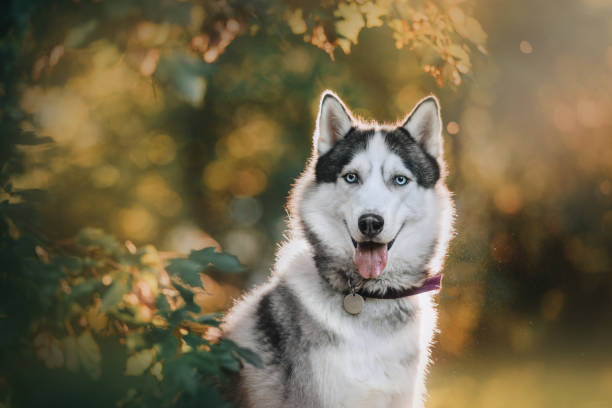

The Samoyed is known for its friendly and sociable temperament. They are gentle and dependable in heart and mind, with a robust and spirited body. This breed is playful and enjoys vigorous outdoor exercise, especially in cold weather. They are good-natured with everyone and have a jolly “sense of humor.” However, Samoyeds can be boisterous and destructive if they don’t have enough outlets for their energy and companionship to satisfy their sociable nature. They are usually welcoming to strangers and get along well with other animals, although they may chase after cats and wildlife due to their chasing and herding instincts. Samoyeds are considered one of the brightest and most responsive spitz breeds but can be stubborn at times. They are also known for barking a lot, with some individuals having high-pitched and piercing voices.
Key Takeaways
- Samoyeds have a friendly and sociable temperament.
- They require regular exercise and companionship to prevent destructive behavior.
- Samoyeds get along well with strangers and other animals.
- They are bright and responsive but can be stubborn at times.
- Samoyeds are known for barking a lot and may have high-pitched voices.
Origin and Size
The Samoyed dog breed, also known as Sammies, originated from the Spitz family of dogs in Siberia. They were used by the Samoyede people as working dogs for hunting, sledding, and herding reindeer. Sammies are medium-sized dogs, with a well-proportioned body and a thick, double coat that helps them stay warm in cold weather. They come in various colors, including white, cream, biscuit, or a combination of white and biscuit. Samoyeds have a lifespan of 12 to 15 years, which is relatively long for a dog. Their coat requires regular grooming, especially during shedding seasons in spring and fall.
Breed Group and Temperament
Samoyeds belong to the working dog breed group and are known for their friendly and gentle temperament. They have a strong devotion to their families and are typically not aggressive, although they can be cautious around unfamiliar people. These sociable dogs enjoy the company of their human companions and are also compatible with other animals.
Due to their chasing and herding instincts, Samoyeds may display a strong inclination to pursue cats or wildlife. As active dogs, they require at least 30 to 60 minutes of exercise per day to stay mentally and physically stimulated. Despite their energetic nature, Samoyeds are generally easy to train. However, their occasional stubbornness calls for consistent leadership and positive reinforcement methods.
To ensure a harmonious relationship, Samoyeds need regular exercise and mental stimulation. This breed’s playful and sociable nature makes them truly pleasant companions.
Training and Behavior
Training a Samoyed is a relatively straightforward process, although these dogs can display a strong sense of independence. They respond exceptionally well to positive reinforcement training methods, which involve rewarding good behavior with treats, praise, and affection. Samoyeds are known for their bright and responsive nature, making them quick learners.
However, it’s important to note that Samoyeds can also be stubborn at times. They may test boundaries and challenge commands, especially if they sense inconsistency in their training. To ensure successful training, it’s crucial to establish consistent boundaries and clear rules from the beginning. By providing firm but gentle guidance, you can establish yourself as the pack leader and build a strong bond with your Samoyed.
Socialization
In addition to training, proper socialization is essential for a well-adjusted Samoyed. Socializing your Samoyed involves exposing them to various environments, people, and animals from an early age. This helps them develop confidence and adaptability, preventing potential behavioral issues like fearfulness and aggression.
Introduce your Samoyed to different sights, sounds, and smells in a controlled and positive manner. Take them on walks in busy areas, introduce them to other friendly dogs, and allow them to interact with different individuals of all ages. Supervised playdates and puppy classes can also provide opportunities for socialization and interaction with other dogs under controlled conditions.
Mental Stimulation
Aside from training and socialization, providing adequate mental stimulation is crucial for the overall well-being of your Samoyed. These intelligent dogs thrive when mentally challenged and engaged, helping prevent boredom and subsequent destructive behaviors.
Engage your Samoyed in activities that require problem-solving and mental focus. Puzzle toys, interactive feeders, and obedience training sessions not only provide mental stimulation but also strengthen the bond between you and your dog. Consider participating in dog sports such as obedience trials, agility, or nose work, as these activities tap into the natural instincts of your Samoyed and provide an outlet for their energy.
By combining positive reinforcement training, proper socialization, and regular mental stimulation, you can help your Samoyed develop into a well-behaved and balanced companion. Remember to be patient, consistent, and provide plenty of love and affection throughout the training process.
Grooming and Shedding
One of the important aspects of caring for a Samoyed is regular grooming due to their thick, double coat. To keep their fur looking its best and prevent mats and tangles, it’s necessary to brush and comb them regularly. This not only keeps their coat healthy but also helps to distribute the natural oils, keeping their skin moisturized.

Samoyeds are known for their heavy shedding, which occurs twice a year, during the spring and fall seasons. During these times, their coat requires extra attention to manage the shedding and keep their surroundings clean. Their fur can be found everywhere in the house, from clothing to furniture and even in the food.
Regular grooming and brushing can minimize the amount of loose fur in the house and help keep your Samoyed’s coat looking its best. Investing in a quality grooming tool, such as a slicker brush or undercoat rake, can greatly aid in removing loose hair and preventing mat formation. It’s essential to be patient and gentle while grooming to ensure a positive experience for both you and your Samoyed.
Exercise Needs
Samoyeds are active dogs that thrive on exercise and athletic activities, especially in cold weather. They need regular opportunities to vent their energy, or else they may become rambunctious and bored. This breed requires at least 30 to 60 minutes of exercise per day, which can include walking, running, and playing. Engaging them in mentally stimulating activities such as puzzle toys or obedience training can also help keep them mentally stimulated. Providing enough exercise is essential to prevent behavioural issues and promote a healthy and happy Samoyed.
Pros and Cons of Owning a Samoyed
Owning a Samoyed comes with its pros and cons. On the positive side, Sammies are friendly, gentle, and devoted family dogs. They get along well with everyone and have a sociable nature. They are relatively easy to train and have a bright and responsive temperament.
However, there are some challenges to consider. Samoyeds require regular grooming and shed heavily twice a year. Their thick, double coat needs consistent attention to prevent mats and tangles. This grooming routine can be time-consuming. Additionally, they can be boisterous and destructive if not provided with enough exercise and companionship. It’s important to meet their exercise needs to prevent behavioral issues.
The breed is also known for barking a lot, which may not be suitable for individuals living in noise-sensitive environments. Some Samoyeds have high-pitched and piercing voices, which can be particularly challenging for those with sensitive hearing.
Despite these challenges, the joy and companionship a Samoyed can bring to a home often outweigh the drawbacks.  Their friendly and sociable nature make them great family pets. They are known for their loyalty and devotion, making them excellent companions for both adults and children.
Considerations for Potential Samoyed Owners
Before bringing a Samoyed into your home, there are several considerations to keep in mind.
- Exercise: Sammies thrive on vigorous outdoor activities and need regular outlets for their energy. Make sure you can provide enough exercise for the breed’s active nature to keep them happy and healthy.
- Companionship: Samoyeds are very sociable dogs and require plenty of companionship. Leaving them alone for extended periods can lead to destructive behavior. Be prepared to spend quality time with your Samoyed.
- Chasing Instincts: It’s important to be aware of Samoyeds’ chasing instincts, as they may go after cats or wildlife. Take precautions and provide appropriate training to manage and redirect this behavior.
- Grooming and Shedding: Samoyeds have a thick double coat that requires regular grooming. They also shed heavily twice a year. Be prepared to invest time and effort into grooming your Samoyed and managing the shedding.
By considering these factors, you can ensure that owning a Samoyed is a rewarding and enjoyable experience for both you and your furry companion.
Training and Socialization Tips
Training and socialization are vital components of raising a well-behaved and happy Samoyed. Starting early with positive reinforcement methods is key to instilling good behavior in your Samoyed. Establish clear boundaries and expectations to create a structured routine that will help your Samoyed understand their role in the family.
When training your Samoyed, focus on teaching basic obedience commands such as “sit,” “stay,” “come,” and “leave it.” These commands are essential for effective communication and ensuring the safety of your dog in different situations. Use rewards and praise to motivate and encourage their progress.
Aside from training, socializing your Samoyed from a young age is crucial. Expose them to various environments, people, and animals to help prevent behavioral issues and promote confidence and adaptability. This can be done through visits to parks, attending puppy socialization classes, or organizing playdates with other friendly and well-behaved dogs. The more experiences they have, the more well-rounded and confident they will become.
Leash training is also an essential aspect of your Samoyed’s development. Teach them to walk calmly on a leash, especially in communal areas or crowded spaces. This will ensure their safety and make it easier for you to control their movements, preventing any unwanted incidents.
Socialization Tips
- Introduce your Samoyed to new people, environments, and animals gradually, ensuring positive experiences.
- Expose them to different sounds, sights, and smells to build their confidence and reduce anxiety in new situations.
- Encourage gentle and friendly interactions with other dogs and animals to foster good social skills.
- Supervise all interactions to ensure the safety of your Samoyed and others.

Crate training can be beneficial for your Samoyed’s overall well-being and comfort. Introduce them to a crate as their own personal space, and use positive reinforcement to make it a positive and enjoyable place for them to relax or sleep. Crates can help prevent anxiety and destructive behavior when you’re away from home, as it provides them with a safe and secure space.
Remember to be patient and consistent in your training efforts. Samoyeds are intelligent dogs but can also be stubborn at times. With positive reinforcement, consistency, and love, your Samoyed will thrive and become a well-behaved and well-rounded companion.
Choosing a Samoyed Puppy
When it comes to adding a new furry member to your family, considering a Samoyed puppy can be an excellent choice. However, important decisions need to be made during the selection process to ensure you bring home a healthy and happy Samoyed companion. Here are some crucial factors to consider:
Adopting from Rescue Organizations or Shelters
If possible, prioritizing adoption from rescue organizations or shelters is highly recommended. By giving a loving home to a Samoyed in need, you not only provide them with a second chance at happiness but also make space in the shelter for other dogs waiting for their forever homes. You’ll be supporting a noble cause while experiencing the joy of rescuing.
Choosing a Reputable Breeder
If you decide to purchase a Samoyed puppy, it’s vital to select a reputable breeder. Start by conducting thorough research to find breeders who adhere to ethical practices and prioritize the well-being of their dogs. Reputable Samoyed breeders invest in the health and temperament of their dogs and conduct necessary health screenings to ensure the puppies are free from genetic conditions. They provide a nurturing environment to ensure the puppies receive proper socialization and care.
Health and Temperament Focus
Reputable Samoyed breeders prioritize the health and temperament of their dogs. They aim to produce puppies with excellent overall soundness and stable temperaments. By selecting a breeder who focuses on these aspects, you increase the likelihood of bringing home a Samoyed puppy with desirable traits and a pleasant disposition.
Thorough Health Screenings
Responsible breeders conduct thorough health screenings on their adult dogs, including testing for genetic conditions that are prevalent in the Samoyed breed. By ensuring that the puppies’ parents are in good health, you minimize the risk of inheriting any avoidable health issues.
Avoiding Unethical Breeding Practices
Choosing a reputable breeder actively discourages unethical breeding practices. Reputable breeders prioritize the well-being of their dogs over financial gain and take responsible steps towards preserving and improving the breed. By supporting ethical breeders, you contribute to the long-term welfare of Samoyeds.
Remember, selecting a Samoyed puppy should be a well-informed decision. By adopting from rescue organizations or shelters or choosing a reputable breeder, you enhance the chance of finding the perfect Samoyed puppy that will bring joy and companionship to your life.
Considerations for First-Time Dog Owners
If you’re a first-time dog owner considering a Samoyed, there are a few additional factors to keep in mind. Samoyeds are generally adaptable and responsive to training, making them suitable for novice dog owners. However, their independent nature and energy levels may require extra patience and consistency in training. Researching different breeds thoroughly and considering factors such as size, exercise needs, grooming demands, and temperament can help you find a breed that aligns with your lifestyle and preferences. Prioritising training and socialisation from an early age is important for a well-behaved and well-adjusted Samoyed.
Conclusion
Samoyeds are renowned for their friendly and sociable temperament, making them ideal family dogs. Their playful nature necessitates regular exercise and mental stimulation. While they are generally easy to train, they can exhibit stubbornness. Regular grooming is essential for their thick double coat, especially during shedding seasons. Prospective Samoyed owners must consider providing ample exercise, companionship, and managing their chasing instincts. Training and socialization are vital for a well-behaved Samoyed. For first-time dog owners, Samoyeds are a suitable choice, but their independent nature and high energy levels should be taken into account. Owning a Samoyed can be a rewarding experience when their needs are adequately met.