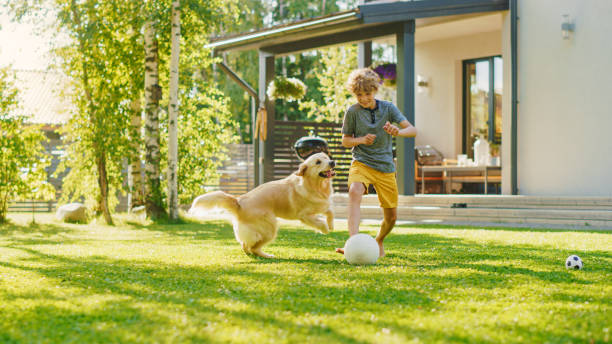

Interest in the use of music therapy as a behavioural enrichment tool in veterinary medicine is growing. Animals appear less stressed or anxious when exposed to classical music. More rigorous studies must be conducted to make species-specific recommendations.
Key Takeaways:
- Integrating auditory stimulation in playtime can enhance your dog’s experience and well-being.
- Dogs can benefit from a sound-rich environment, reducing stress and providing a sense of security.
- Auditory stimulation can be particularly beneficial for dogs with anxiety or behavioural issues.
- Choosing the right toys that offer auditory and sensory enrichment is important for your puppy’s development.
- Music therapy holds promise in veterinary medicine, but further research is needed to understand its full potential for dogs.
The Benefits of Auditory Stimulation for Dogs
Dogs have a diverse range of hearing abilities, making auditory stimulation a valuable tool for enriching their environment. By incorporating puppy noises, dog sound effects, and other forms of sensory enrichment, you can enhance your pet’s playtime and overall well-being.
Preventing Boredom and Anxiety
Pets, just like humans, can experience boredom and anxiety. Engaging their sense of hearing through auditory stimulation can provide a much-needed distraction and mental stimulation. The introduction of puppy noises and dog sound effects can captivate their attention and keep them occupied. This sensory enrichment can alleviate boredom and reduce the likelihood of destructive behaviors caused by pent-up energy.
Soothing and Relaxation
Just as music can have a calming effect on humans, auditory stimulation can also soothe and relax dogs. Playing calming melodies or nature sounds in the background can create a serene ambiance that promotes relaxation. This can be especially beneficial during stressful situations, such as thunderstorms or fireworks displays. By incorporating pet activities that involve auditory stimulation, you can help your dog stay calm and composed.
Cognitive Health and Development
Auditory stimulation plays a significant role in cognitive health and development for dogs. Introducing a variety of sounds and pet activities can stimulate their brain and promote mental agility. Engaging their hearing senses through interactive play and sound-based puzzle toys can enhance their problem-solving skills, memory retention, and overall mental well-being.
Support for Dogs with Anxiety or Behavioral Issues
For dogs with anxiety or behavioral issues, auditory stimulation can be particularly beneficial. By gradually exposing them to calming pet activities and captivating soundscapes, you can help them acclimate to their environment and reduce stress levels. Incorporating gentle music or dog sound effects during training sessions can also aid in behavior modification, making the training process more enjoyable and effective.
By understanding the benefits of auditory stimulation and incorporating puppy noises, dog sound effects, and other sensory enrichment techniques into your pet’s routine, you can provide them with a stimulating and fulfilling environment that supports their overall well-being.
Mentally Stimulating Toys for Dogs
When it comes to keeping our furry friends entertained, mentally stimulating toys are an excellent choice. These toys not only provide hours of fun and interactive play but also offer sensory enrichment and act as a cognitive workout for dogs. By encouraging problem-solving, critical thinking, and memory skills, these toys help keep our pets mentally sharp and engaged.
Engaging their Instincts: Puzzle Feeders
Puzzle feeders are a great way to tap into dogs’ natural instincts related to foraging and hunting for food. These toys challenge dogs to use their problem-solving abilities to access their meals. By hiding treats or kibble inside the puzzle feeder, dogs must think creatively and work their way through the toy to reap the rewards. This interactive play provides not only a cognitive workout but also a rewarding mealtime experience for our furry friends.
Tactile and Auditory Stimulation: Interactive Plush Toys
Interactive plush toys offer an exciting sensory experience for dogs. These toys engage their senses through tactile stimulation, with various textures and materials that dogs can explore. Additionally, many interactive plush toys have built-in squeakers or crinkle sounds, providing auditory stimulation that further enhances their playtime experience. These toys not only encourage interactive play but also entertain and mentally challenge dogs, making them a favourite choice for many pet owners.
Physical Exercise and Problem-Solving Abilities: Tug of War
Tug-of-war is a classic game that not only promotes physical exercise but also challenges dogs’ problem-solving abilities. By engaging in a spirited game of tug-of-war with their humans or fellow furry friends, dogs get to flex their mental muscles while enjoying a fun and interactive playtime. This helps to keep them mentally stimulated and satisfied.

Introducing mentally stimulating toys into our dogs’ playtime routines is an excellent way to provide them with both physical and mental exercise. These toys offer interactive play, sensory enrichment, and a cognitive workout all in one. Whether it’s solving puzzles, exploring different textures, or engaging in a game of tug-of-war, these toys help keep our furry friends entertained, happy, and mentally sharp.
Choosing the Right Toys for Your Puppy
When it comes to selecting toys for your puppy, it’s important to choose ones that provide not only entertainment but also stimulate their senses and promote interactive play. Here are a few key factors to consider:
Activate Multiple Senses
Look for puppy toys that engage more than one sense. Toys with interesting textures, such as crinkly fabrics or rubbery surfaces, can provide tactile stimulation. Additionally, toys that produce sounds or have interactive features can enhance auditory and visual senses, keeping your puppy engaged and curious.
Match Developmental Stage
Consider your puppy’s current developmental stage when selecting toys. For young puppies, opt for softer toys that are gentle on their developing teeth and gums. As they grow older, you can introduce more durable toys that can withstand the chewing and playing habits of an active puppy.
Offer a Challenge
Puppy toys that offer a challenge can provide mental stimulation and help prevent boredom. Look for toys that encourage problem-solving or offer interactive elements, such as puzzle toys or treat dispensers. These toys can keep your puppy entertained while providing a rewarding experience as they discover how to access the hidden treats.
By selecting stimulating puppy toys that activate multiple senses, match your puppy’s developmental stage, and offer a challenge, you can provide both entertainment and educational playtime for your furry friend. Remember to supervise your puppy while playing with toys and ensure they are safe and suitable for their age and size.
The Role of Music in Auditory Stimulation for Dogs
Music therapy has been shown to have positive effects on human health, and there is growing interest in adapting it for animals. Dogs perceive music differently than humans, and the type of music played can have different effects. Classical music has been found to calm dogs, while harsher sounds may cause stress. Music therapy holds promise in veterinary medicine, but further research is needed.

Research has shown that music can have a profound impact on dogs, offering auditory enrichment and promoting a sense of calm. Just as classical music is known to soothe humans, it can have a similar effect on our canine companions. The soothing melodies and harmonies of classical compositions have been found to reduce stress levels in dogs, providing a calming and peaceful auditory experience.
When considering auditory stimulation for dogs, it is important to understand their unique perception of sound. Dogs have a heightened ability to hear a wide range of frequencies, and certain types of music can resonate more strongly with them. While classical music tends to have a calming effect, loud or aggressive music may cause anxiety or restlessness in dogs. It is essential to select music that aligns with their preferences and promotes a positive auditory environment.
Music therapy has the potential to greatly benefit dogs in various situations. It can be used in veterinary clinics to create a soothing atmosphere and reduce anxiety during procedures. For dogs with separation anxiety, classical music can provide comfort when their owners are away. Additionally, music can be integrated into training sessions to enhance focus and create a positive learning experience.
To effectively utilize music as a form of auditory stimulation, it is important to consider the specific needs and preferences of individual dogs. Just like humans, dogs have their own unique tastes in music. Some may respond favorably to classical compositions, while others may prefer gentle melodies or nature sounds. By observing their reactions and adjusting the music accordingly, dog owners can create a harmonious auditory environment that promotes well-being and relaxation.
Incorporating music into a dog’s routine can be as simple as playing classical compositions during quiet times or providing background music during meals and playtime. By utilizing music as a tool for auditory enrichment, dog owners can enhance their pet’s quality of life, promote emotional well-being, and strengthen their bond through shared harmonious experiences.
Creating an Auditory Environment for Your Dog
Creating a sound-rich environment for your dog can greatly benefit their well-being and contribute to a sense of calm and security. By incorporating auditory stimulation into your dog’s environment, you can help reduce stress and provide a calming atmosphere for them to thrive in.
Masking Outside Noises:
Playing background music softly can help mask jarring outside noises that may startle or disturb your dog. This can create a more peaceful atmosphere, allowing them to relax and feel more at ease in their surroundings.
Music’s Influence on Mood:
The rhythm and tempo of the music can have a direct impact on your dog’s mood. By selecting the right type of music, you can help create a calming atmosphere that soothes and comforts them. Classical music, in particular, has been found to have a calming effect on dogs, while harsher sounds may cause stress.
Natural Sounds:
Incorporating natural sounds into your dog’s auditory environment can mimic the calming effects of being outdoors. Sounds such as flowing water, birdsong, or gentle rainfall can help create a serene atmosphere and provide sensory enrichment for your dog.
Observing Your Dog:
It’s important to observe your dog’s preferences when it comes to auditory stimulation. Every dog is unique, and what works for one may not work for another. Pay attention to their reactions and adjust the music or sounds accordingly to provide a range of auditory experiences that they enjoy.
Varying the Music:
To keep your dog engaged and to prevent habituation, it’s essential to vary the music you play. Dogs can become accustomed to specific sounds over time, so changing the music selection can provide new auditory stimulation and prevent boredom.
Final Thoughts:
Creating a sound-rich environment for your dog is an effective way to promote a calming and stress-free atmosphere. By playing background music softly, considering the influence of rhythm and tempo, incorporating natural sounds, and observing your dog’s preferences, you can create an auditory environment that enhances their well-being and overall quality of life.
Using Auditory Stimulation for Dogs with Anxiety or Behavioral Issues
For dogs struggling with anxiety or behavioral issues, auditory stimulation can be a valuable tool in promoting their well-being and enhancing their quality of life. By incorporating calming sounds and engaging in auditory games, you can provide a sense of security and comfort for your furry friend.
During thunderstorms or fireworks, playing soft music can help alleviate fear and anxiety. The soothing melodies create a safe environment and reduce stress levels. Dogs experiencing these auditory stimuli can find solace in the calming sounds, which ultimately aids in their behavioural modification journey.
Additionally, auditory games can play a significant role in improving a dog’s listening skills and responsiveness. By engaging in activities that require auditory attention, dogs can develop sharper senses and better cognitive abilities. For example, incorporating sound cues during training sessions can enhance their focus and teach them to respond to commands more effectively.
Understanding and implementing auditory stimulation strategies can significantly benefit dogs with anxiety or behavioural issues. By creating a harmonious soundscape for your canine companion, you can create a calming atmosphere that promotes their emotional well-being and reduces unwanted behaviours.

Implementing auditory stimulation techniques can help you establish a positive and nurturing environment for your dog. When used along with other behavioural modification strategies, such as positive reinforcement training or structured routines, auditory stimulation contributes to a holistic approach to pet care.
Incorporating Auditory Stimulation into Dog Training
When it comes to training your beloved canine companion, incorporating auditory stimulation can be a game-changer. Playing calming music during training sessions creates a relaxed atmosphere, enhancing focus and learning. It sets the stage for positive training experiences that bring you closer to your furry friend.
Not only can music create a soothing environment, but it can also be used as a reward for good behavior. Using music as a form of reinforcement can strengthen the bond between you and your dog, making the training process enjoyable for both of you.
Consistency is key when incorporating music into training. Pay attention to your dog’s reactions to different genres and tunes. Some dogs may respond better to classical melodies, while others may prefer softer instrumental pieces. Observe which music elicits the most positive response and tailor your playlist accordingly.
Integrating music into your training routine can improve outcomes and streamline the learning process. The calming effect of music can help your dog focus and absorb new information, leading to more efficient training sessions.
To further enhance the training experience, consider using specific songs or melodies as cues for different commands. Associating certain tunes with particular actions can help your dog understand and perform tasks more effectively. This innovative approach adds another layer of engagement and reinforces positive training experiences.
By incorporating auditory stimulation into your dog’s training, you create an environment that promotes relaxation, focus, and learning. Just remember to choose music that aligns with your dog’s preferences and observe their reactions to optimize your training sessions.
The Therapeutic Effects of Music on Dogs
Music has a profound impact on our emotions and well-being, and the same holds true for our canine companions. The therapeutic effects of music on dogs can help reduce stress, aid in behavioral modification, and create a soothing and healing environment. When carefully chosen and strategically used, music can make challenging situations more manageable for our furry friends, promoting their overall well-being.
One of the key therapeutic effects of music is its ability to induce relaxation and calmness. Calming melodies can help soothe anxious dogs, allowing them to feel more at ease in their surroundings. By providing a sense of tranquility, music can significantly reduce stress levels and contribute to a more balanced emotional state.
Behavioral modification is another area where music can play a crucial role. The choice of music can influence a dog’s mood and behavior, helping to create a positive and focused mindset during training sessions or behavior modification exercises. Calming melodies can provide a supportive background that enhances learning and reinforces positive behaviours.
Integrating music into a dog’s life needs to be done in a balanced way. Just like humans, dogs have different preferences when it comes to music. Some may find classical melodies particularly calming, while others may respond better to nature sounds or gentle instrumental tunes. It is essential to observe a dog’s reaction and adjust the music accordingly to ensure the therapeutic effects are maximized.
Creating a healing auditory environment for dogs can also be achieved by incorporating music into their daily routines. During times of increased stress, such as thunderstorms or visits to the veterinarian, playing calming melodies can help alleviate fear and anxiety. Music can also be used to create a calming atmosphere during relaxation periods or bedtime, promoting better sleep quality and overall relaxation.
The Power of Music in Behavioral Modification
Music is a powerful tool that can aid in behavioral modification for dogs with specific challenges. For example, if a dog experiences separation anxiety, playing calming melodies when the owner leaves the house can provide a sense of comfort and security. Gradually, the dog can associate the music with positive emotions, helping to alleviate anxiety and stress associated with being alone.
Additionally, music therapy can be used to support dogs with phobias or fear-based behaviors. By gradually introducing calming melodies during exposure to triggering stimuli, such as fireworks or loud noises, dogs can learn to associate those sounds with feelings of relaxation. Over time, this form of therapy can assist in reducing fear and reactivity.
Ultimately, music therapy offers a holistic and non-invasive approach to enhancing a dog’s overall well-being. By harnessing the therapeutic effects of music, we can create a harmonious auditory environment for our furry companions, supporting their emotional happiness and helping them lead a fulfilling and enriched life.
Tips for Implementing Auditory Stimulation in Your Dog’s Routine
Introducing auditory stimulation into your dog’s routine can have numerous benefits for their overall well-being. Here are some tips to help you incorporate auditory stimulation into your furry friend’s daily life:
- Gradual Introduction: Start with short sessions of music or sound play to acclimate your dog to new auditory experiences. Gradually increase the duration and intensity of the sounds to allow your dog to adjust comfortably.
- Interactive Play: Incorporate auditory stimulation during playtime by using toys that make noise or playing music in the background. This not only adds an extra layer of sensory enrichment but also makes playtime more engaging and fun for your dog.
- Calming Music: Play calming music during stressful times, such as when your dog is anxious or during thunderstorms or fireworks. Soft melodies can help create a soothing environment and promote relaxation.
- Tailor to Your Dog’s Preferences: Every dog is unique, so observe your dog’s reactions to different sounds and music genres. Tailor the auditory environment to your dog’s individual needs and preferences to ensure maximum benefit.
- Range of Auditory Stimuli: Provide a variety of auditory stimuli to keep your dog engaged and mentally stimulated. This can include different types of music, sounds of nature, or recordings of other animals. Ensuring a balance between familiar and new sounds is important.
- Maintain Balance: While auditory stimulation is beneficial, it’s essential to maintain a balanced approach. Avoid overwhelming your dog with constant noise or prolonged exposure to loud music. Gradually increase the intensity and duration of auditory stimulation to avoid sensory overload.
The Power of Auditory Stimulation for a Harmonious Life with Your Dog
Auditory stimulation is a crucial component of holistic pet care, promoting the emotional happiness and overall well-being of your beloved canine companion. By creating a harmonious auditory environment, you can enrich your dog’s life and strengthen the bond you share.
Integrating auditory stimulation into your dog’s daily routine is both an art and a science. Thoughtful selection of music and sounds that resonate with your dog’s preferences can have a profound impact on their mood and behaviour. Whether it’s classical melodies, calming nature sounds, or even specially designed dog-specific auditory experiences, the right auditory stimulation can create a calming and engaging atmosphere for your pup.
Embracing auditory stimulation as part of your dog’s care not only enhances their emotional well-being but also adds an element of fun and enrichment to their day-to-day activities. From playtime to training sessions, incorporating auditory stimuli can provide additional cognitive and sensory experiences, nurturing their growth and happiness.